Feeds:
Posts
Comments

Posts Tagged ‘nature’

This won’t be the last thing I have to say about weeds. I haven’t touched on blackberries, fireweed, or cultivars gone wild. But I’ll leave you with these last few for now.

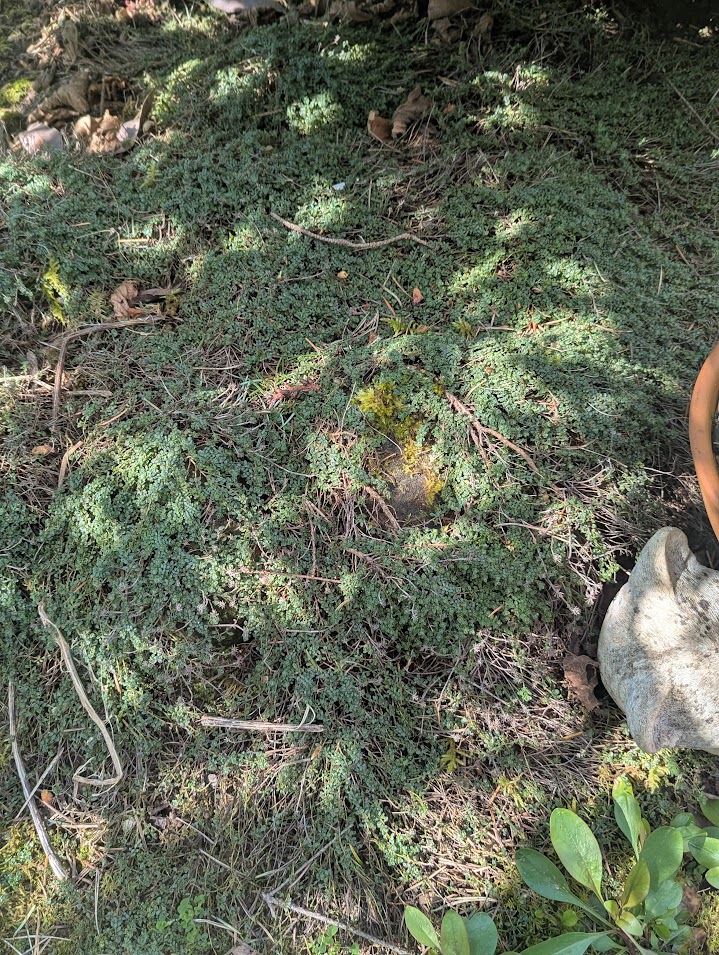
Speedwells. According to the plant app on my phone, we have at least three speedwells growing in our yard: Veronica arvensis aka wall speedwell, corn speedwell, field speedwell, or rock speedwell, and Veronica serpyllifolia aka thyme-leaved speedwell, and Veronica persica, or bird’s eye speedwell aka Persian speedwell. They are in the plantain family (we have plantain growing in the big weed patch, and I don’t mean the kind that looks like a banana). Plantains are edible herbs. The speedwells are tiny groundcovers with teensy flowers, non-native, and have limited medicinal uses (burn salve). They are next to impossible to get ahead of, don’t compete with other plants, and make a wonderful groundcover mat. I gave up trying to weed them out of my flower beds. They are simply here to stay.

    Stinky Bob

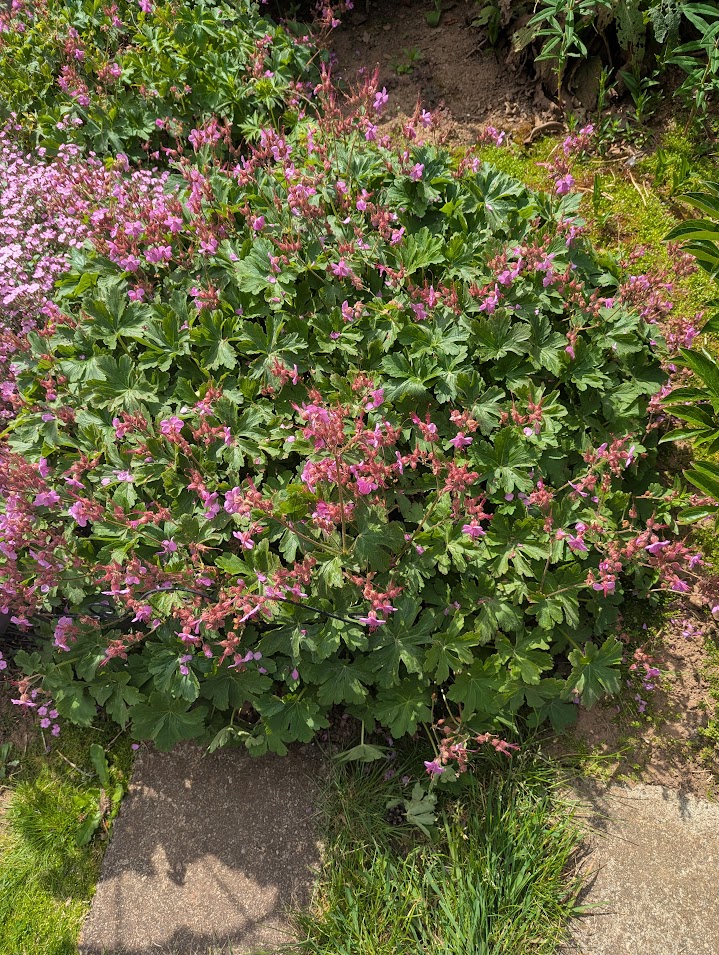
    Herb Robert. Geranium robertianum. Stinky Bob. Do not make the mistake I did one summer: “Oh, such pretty flowers!” This escapee from hanging garden baskets is the nastiest, shallow-rooted, invasive ornamental. It competes. It covers ground quickly. It smells worse than most geraniums smell. I believe it is banned in Washington State to the north of us. If it isn’t, it should be. I have geraniums in the ground, I don’t need Herb Robert. Most geraniums are easy to control, make a wonderful, thick carpet, compete with everything – but so easy to cut back and pull up!. And they don’t spread like a prairie fire. Herb Robert, on the other hand… Just pull it.
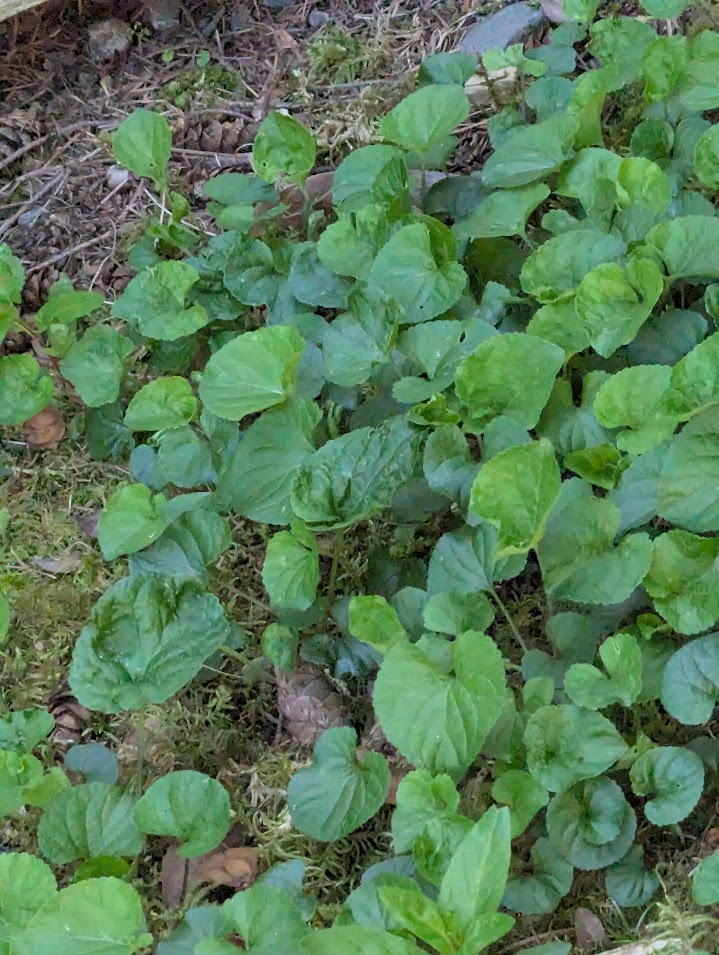
    Sweet Violet (after the blooms are gone)

    Sweet violet. Viola oderata. I wish it was a native wild violet, but the wood violet, or English violet, is introduced. I just control it. It spreads rapidly and out-competes some plants. The pretty purple blooms are early and loved by bees. Fragrant, but such short stems they hardly work for a bud vase. They were one of my mother’s favorite wildflowers from her childhood, so I don’t try to completely eradicate them. Besides, they fill in all the deep shade places where other groundcovers won’t grow.

    Tansy ragwort. Jacobaea vulgaris. Pretty yellow flowers that you see growing all along Oregon highways and right-of-ways, but a plant that you can get fined for if you don’t eliminate it from your fields. They even introduced a moth species to try to kill off the plant, the very pretty cinnabar moth. It didn’t work. If you haul horses from Western Oregon or Washington, you must purchase your hay in Eastern Oregon. Livestock won’t touch it except as a last resort or if it is hidden in a bale of hay, and it is deadly when ingested. It shows up now and then in our yard and I get out a Grandpa tool or a shovel to dig down and pull the entire tap root out. This plant is easily a “KILL ON SIGHT” invasive introduced species.

    Tiny vetch. Vicia hirsuta. Introduced. This is a fairy garden miniature vetch with purple flowers and pea pod seed arils. Easy enough to pull, but why bother? It climbs the fence, it climbs my shrubs, it dies and adds nitrogen to the soil, and it is far from invasive. It doesn’t compete. It’s just such a pretty, tiny, miniature version of regular vetch. I leave it for the most part but sometimes I just pull it. It has no root system.

    Creeping wood sorrel. Oxalis cornucalata var. atropurpurea. Pretty yellow flowers, deep tap root, and machine-gun like reflexes for releasing a million and one seeds into the air, your eyes, and everywhere else. It’s a losing battle. Whoever introduced this species of sorrel, I dislike you. Yes, I get that it is edible. So is cilantro, but I don’t have to grow it in my garden. (Cilantro, in case you are wondering, tastes like having my mouth washed out with soap.) I think if there were to be a battle between chickweed, hairy bittercress, and creeping wood sorrel, the wood sorrel would win by virtue of deadly aim, distance seeds can fly, and the hair-trigger of the seed arils.

      For now, that is my summary of weeds I battle. There are more, I promise you. There are still the ones we leave growing in the front yard: plantain (& I don’t mean the kind that produces a banana-like fruit), flowers spread from neighboring yards like cinquefoil or rose campion, and the ones I grow for my own herbal use like stinging nettle.

      Don’t worry: I don’t allow the nettle to produce flowers and thereby produce more plants.

      Read Full Post »

      What follows is a list of six plants that I consider “weeds” but which may not be considered such by other gardeners. Some I allow to grow and spread and some I try to eliminate. My success varies on both accounts.

      dead nettle

      1, Dead Nettle. Lamium pupurpueum. Surprisingly, this common weed is an introduced species and not a native to North America. It is considered “common” which is different from “naturalized” or “invasive”. Just “common”. And common it is. It is one of the first blooms of a season, a favorite among pollinators, and has pretty, tiny, purple flowers. It is an edible herb in the mint family. My husband fights it in the vegetable garden, but it doesn’t seem to grow too much in my flower beds, but hangs out on the edges of the lawn and in the places where little else grows. Shallow root system, so easily pulled. I neither like nor dislike it, so I don’t go out of my way to pull it up but if it is growing where I don’t want it, I pull it.

      fringed willow herb

      2. Fringed willowherb. Epilobium ciliatum. Another native plant, like the Baby Blue Eyes mentions in my prior post. It has a deep tap root and can be difficult to pull. Tiny pink flowers. It competes with other plants, which is what makes it a “weed” in my eyes, but, then, it is a native plant to the Pacific Northwest. I’d love to leave it but it seems to be taking over my (native) false Solomon’s seal (feathery false lily of the valley, plumed spikenard, Maianthemum racemosum). It is a conundrum.

      hairy bittercress,,, although I’m not certain the app is looking at the right thing. Could be chickweed (the leaves).

      3. Hairy bittercress. Cardamine hirusta. This is an introduced pot herb and a favorite of butterflies. Pull it! Pull it before it seeds and those seeds shoot out like tiny missiles. I put this one in the same class as chickweed (not pictured). Early bloomer, bees love it, then it goes to see and you’ll find yourself being fired upon by missiles the size of sand that aim mostly for your eyes. I rarely get to it before it seeds because it grows, flowers, and matures before the rain stops in the spring. Ditto chickweed. Both weeds have medicinal uses, but I just try to pull them. Very shallow root system but those flying seeds are nasty.

      Italian arum

      4.Italian arum. Arumitalicum. This is nasty, nasty, nasty. Highly invasive. Very toxic. Only use gloves to handle. It is everywhere, literally. It is an arum, the bulbs are deep in the ground, and the only way to eradicate it is to dig them out and throw they in the garbage. I am losing the battle. The flowers are pretty and so are the red berries. I have them relegated to one area of the garden right now and when I find them elsewhere, I try to deprive them of sustenance by pulling up all of the green (with gloved hands). Digging just seems to spread the bulbs, like digging grape hyacinth or daffodils does. You just get more.

      Not the flower. Just the leaves.
      Not the flower – just the leaves. The flower is similar, though

      5.Scarlet pimpernel. Lysimachia arvensis. Toxic in pastures but most livestock won’t touch it unless there’s little else to eat. Pretty orange flowers, a wide spread of greenery, a lovely (but invasive) groundcover. I’m torn with this one. It is ornamental. I don’t have livestock. Birds planted it in the yard. It doesn’t seem to compete with other plants so I am leaving it (for now). It is considered invasive in Oregon, so I may have to rethink that.

      sheep sorrel

      6.Sheep sorrel. Rumex acetosella. I grew up calling it “sorrel”, no “sheep” added. Also known as red sorrel, field sorrel, sourweed. Edible in small amounts, Considered invasive, certainly is common. Usually, it stays to the front yard but I pull it in all flower beds. I do love the tiny red flowers, but not enough to continue to let it take over flower beds. It can hang out in that front weed patch the makes our neighbors ashamed to know us (we call it our “pollinator habitat” and my husband mows it once the grasses get tall enough).

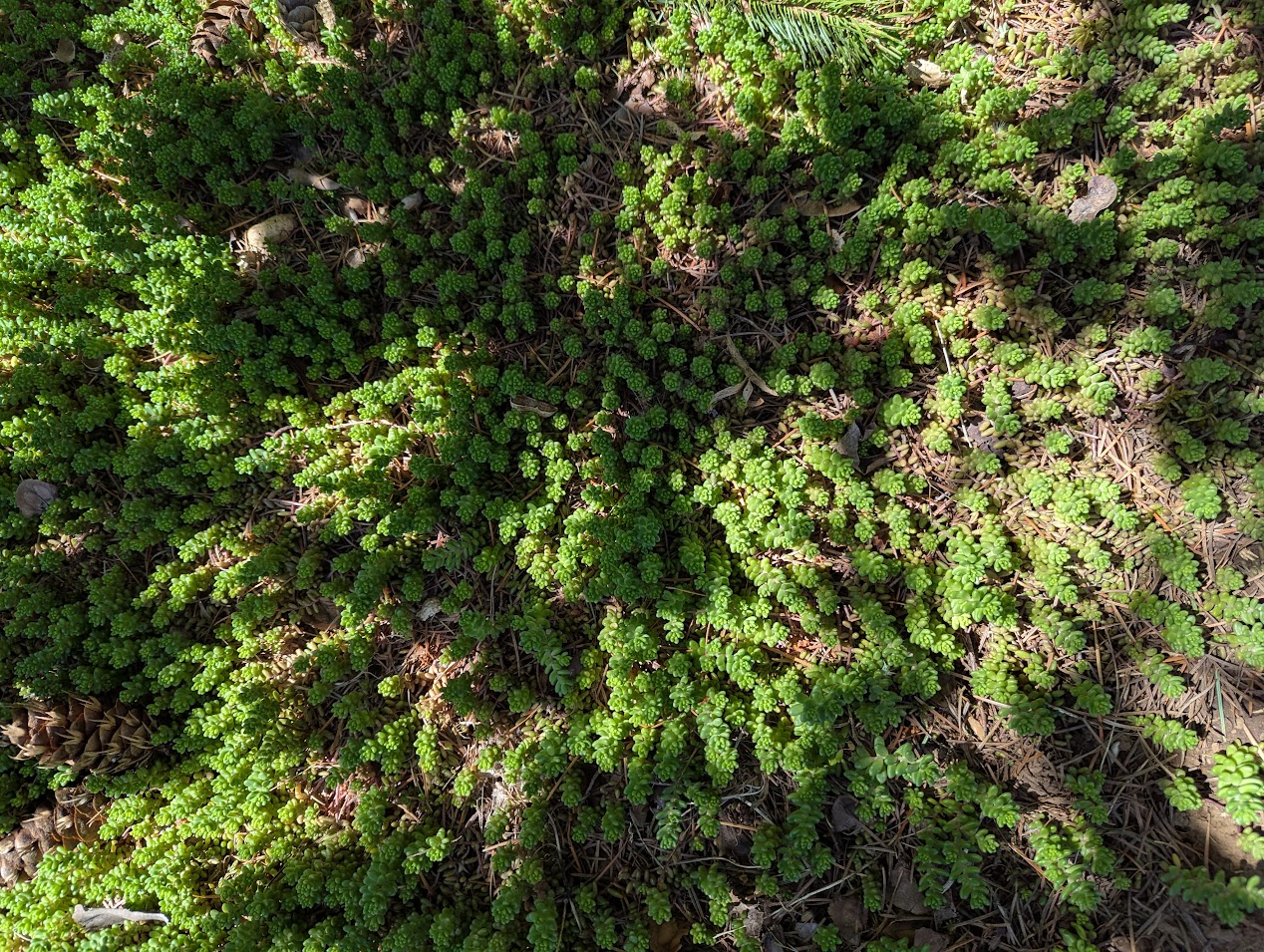
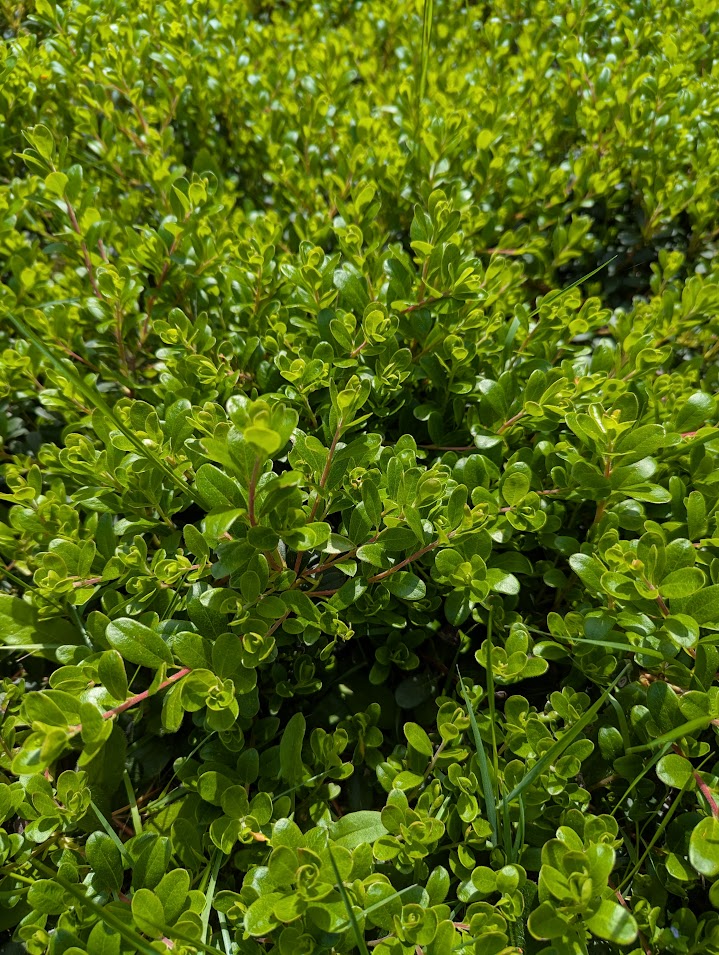
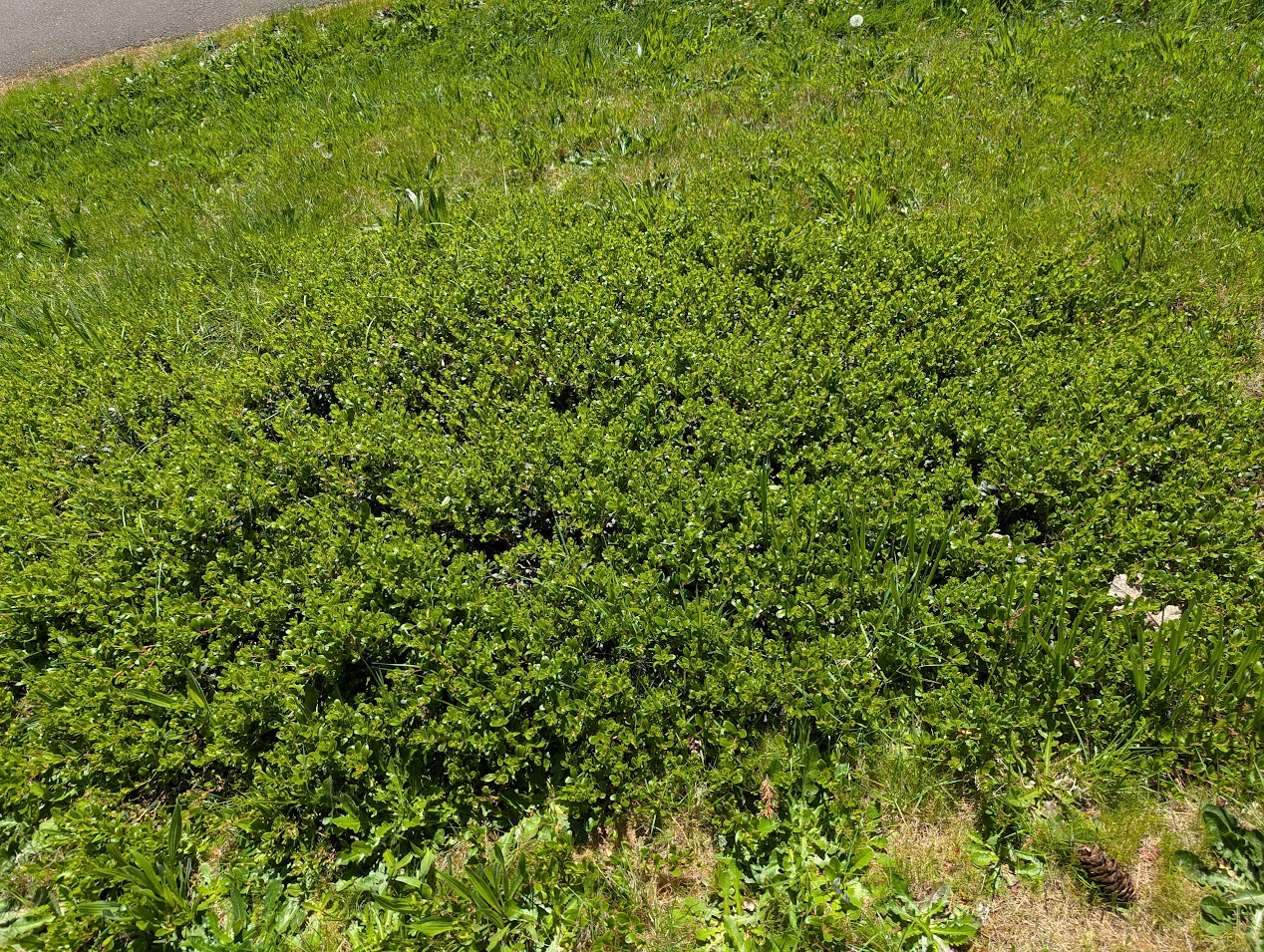
      It is slow progress turning a lawn into a flower patch. I tossed out clover seed early this spring, hoping to change the area to a red-and-white clover field, but the darn things didn’t germinate. Eventually, that is the plan: eliminate the noxious weeds and the grass by growing something better: we currently have kinnikinnick covering a large portion and I’ve carved out some flower beds, but the most visible portion remains a huge weed patch. We have real lawn in the backyard.

      Read Full Post »

      I have given up on pulling some ‘weeds’. They are just too much effort, aren’t really harming anything in my yard, have pretty flowers, and insects love them. Of course, there are a lot of weeds I still pull. And grasses. I hate grass. I’m allergic to most grass.

      I digress. Weeds. The “love them or hate them” plants that plague the modern lawn and garden. Here, in no particular order, are six of the common ones in our yard.

      Baby Blue Eyes

      Baby Blue Eyes. Nemophilia menziesii. I love this plant! My husband hates it in the vegetable garden, but I tend to leave it in the flower beds. The flowers are pretty, it works as a ground cover, and it doesn’t interfere with any of the cultivars or native plants I tend. Oh, that’s right: Baby Blue Eyes are a native plant! Bonus points for that!

      Bishop’s Weed. Aegoyodium podagraria ‘Variegatum’. I happen to like this one, too. I encourage it as a ground cover. Insects like it as well, and it isn’t all that difficult to keep in one spot. It is not a native and is considered by some gardeners to be invasive. (Also known as “Bishop’s Goatweed”.)

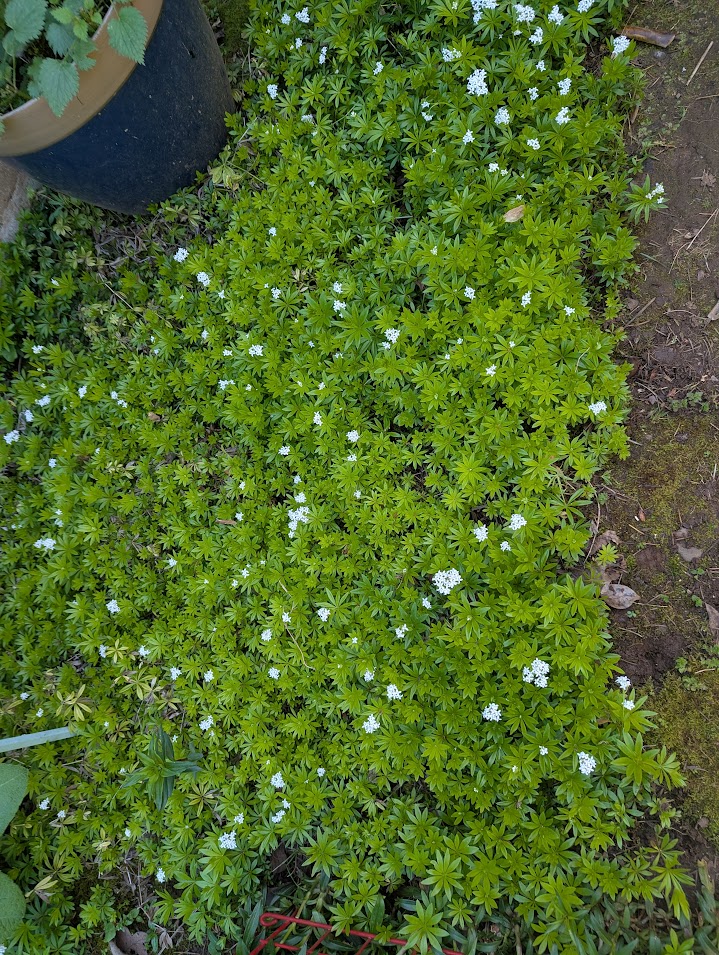
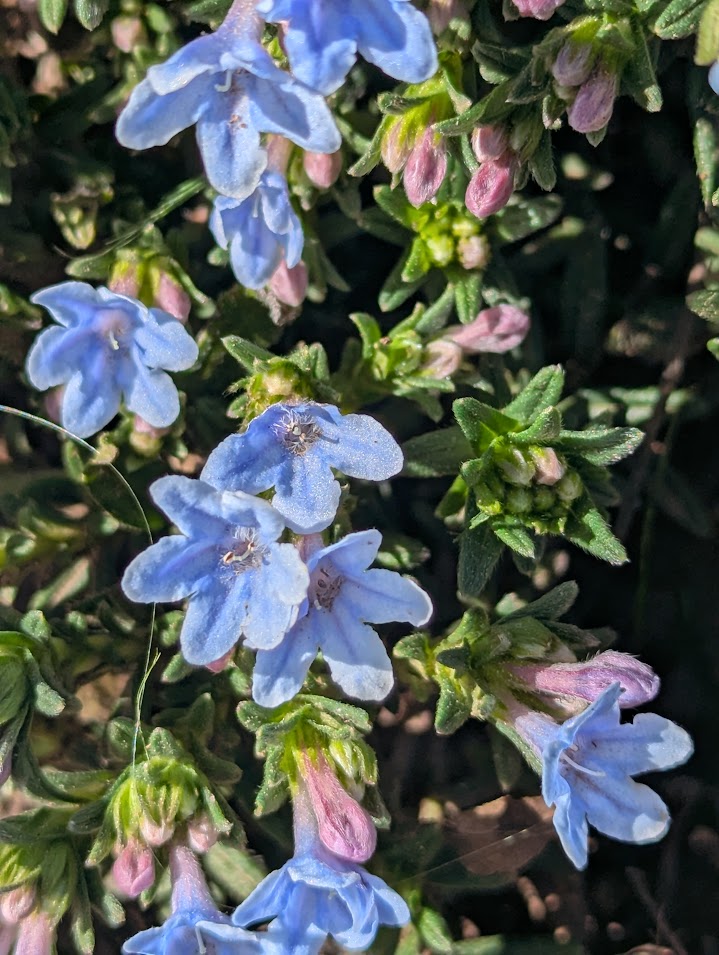
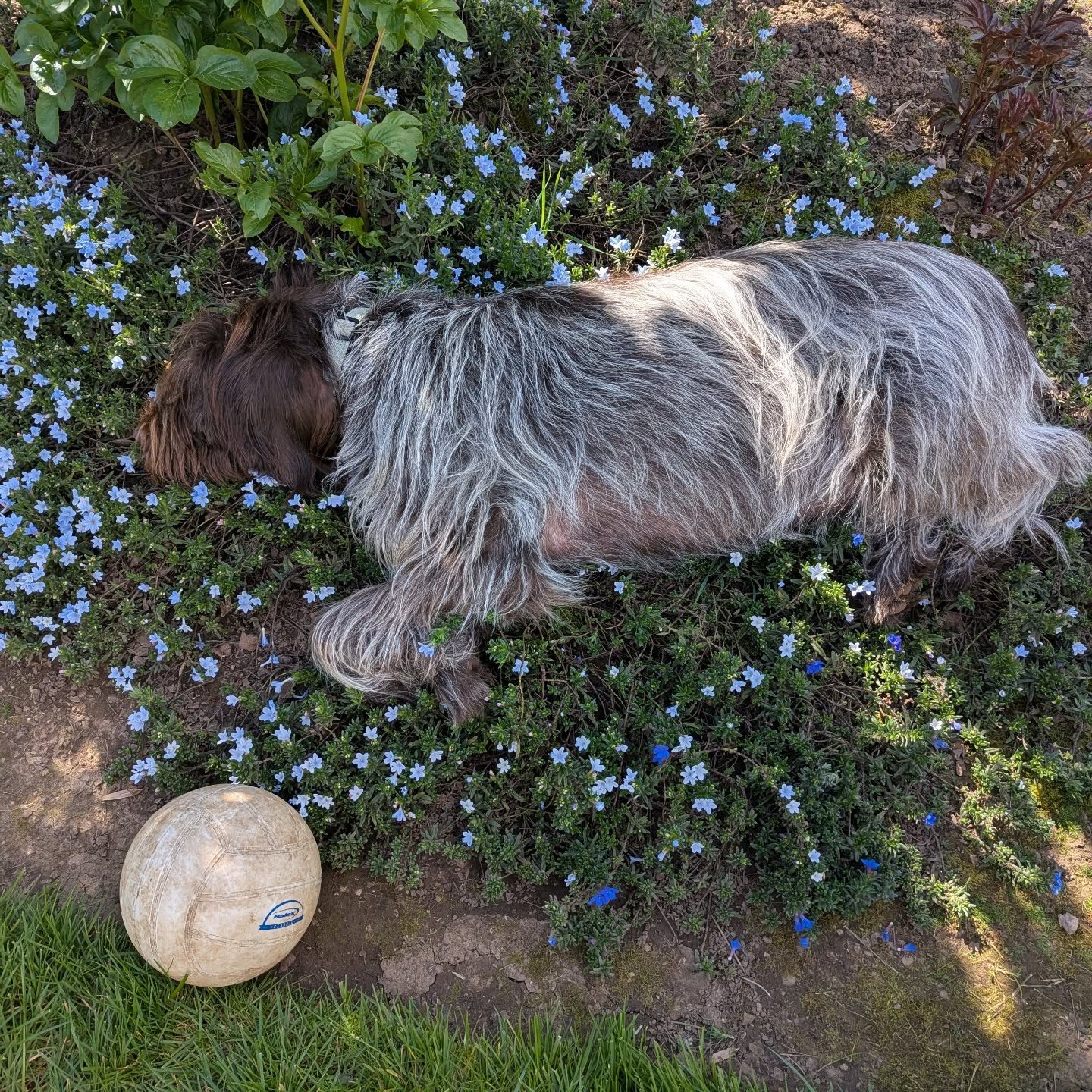
      Blue Field Madder. Genus: Shirardea, family: Rubiaceae. I have given up trying to slow this low-growing ground cover. It has pretty flowers, doesn’t compete with my other plants, and acts as a nice ground cover. I don’t use bark dust so ground covers help to hold the moisture in. I did a little research for this post and discovered the root of this plant is sometimes used as a red dye. It is pretty small, so I wonder how much of the root one would have to dig to make a dye? It is considered “naturalized” which means that it is almost considered a native. Like foxglove and a host of other plants, attempts to control the spread have failed. I grow foxglove, too.

      Changing forget-me-not. Myotis acetosella. Introduced. This is such a pretty plant! The flowers are tiny, they change from blue to yellow, and the entire plant resembles a miniature forget-me-not but doesn’t grow much taller than the neighboring lawn grass. I leave it in the front yard (which is basically a haven for weeds much to the dismay of neighbors who love a monoculture grass lawn, especially out front. Sometimes I find it in the back lawn. It seems to like to grow in the grasses.

      Common nipplewort. Lapsana communis. Has tine, pretty, yellow flowers if it lives long enough top bloom. It grows around 12” tall, competes with everything, and I do not like it. Fortunately, it has a shallow root system and is easily pulled. It is also considered an invasive introduced species. I try not to give it too much leeway to expand in my yard. It does happen to be edible and useful as a herb, which makes it not all that nasty of a backyard weed.

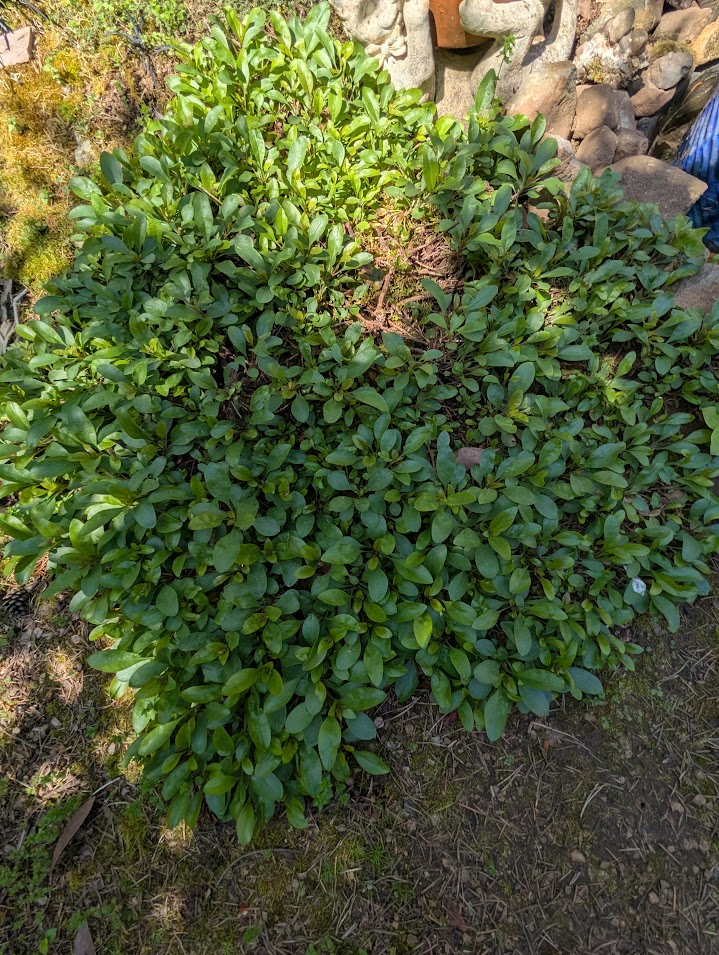
      Bugleweed. Ajuga reptans. I actually paid money for this when I first started building a flower garden in our yard. I have ripped it out numerous times. It comes back like Arnold Schwarzenegger. You could almost nickname it “The Terminator” because of how competitive it is. Nothing grows under this ground cover. It is aggressive. It fools you into thinking it is gone, eradicated, and then… Voila! There it is, again. Pretty purple flowers and foliage. I have relegated a patch to a border bed and I hope to keep it relegated there since I cannot kill it. Don’t pay money for this cultivar unless it is the only plant you want in your flower bed. Like Vinca Major or Minor, you get one single species and it covers the ground with great enthusiasm.

        And here you thought I liked all weeds. Nope. Some just have to die.

        Also: I have no idea why some plants are listed as “invasive” and some are listed as “naturalized”. Foxglove is poisonous but listed as “naturalized” and tansy ragwort is poisonous but listed as “invasive”. Both have pretty flowers and attract pollinators. I’m sure someone will comment and explain the designations to me. Both fall under “introduced” or “non-native” species. Native species of plants are merely listed as poisonous or non-poisonous.

        Read Full Post »

        We took a little break and drove down to the annual Garden Palooza event at a local nursery in the Willamette Valley. This event draws people from Portland all the way to Corvallis. We go early on Fridays and there’s still a parking lot full when we arrive, This year didn’t seem quite as crowded but it was fast filling up by the time we left.

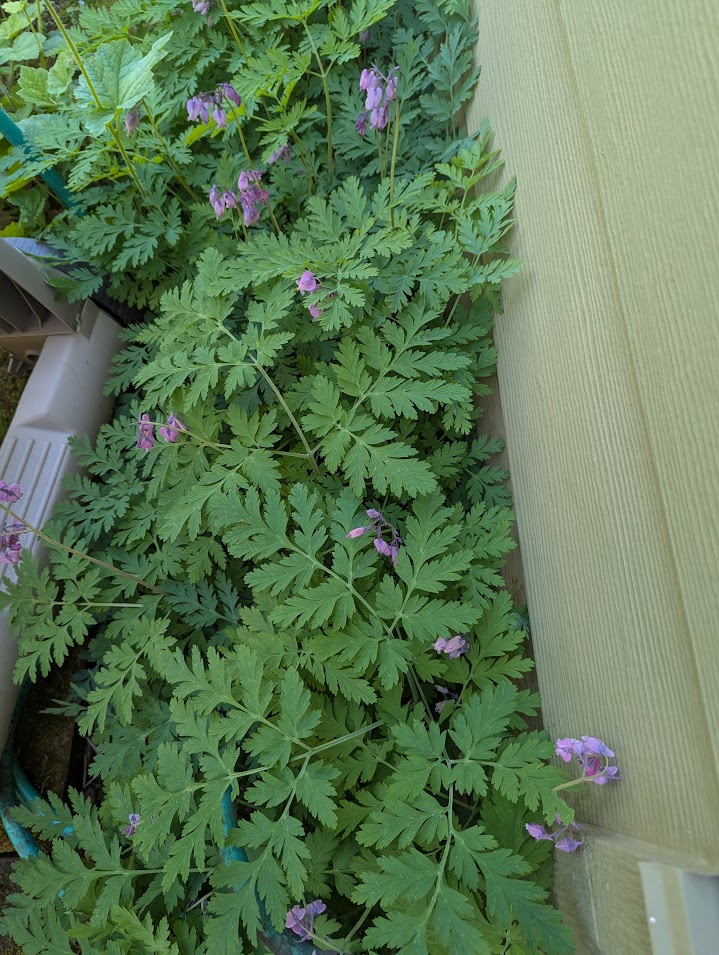
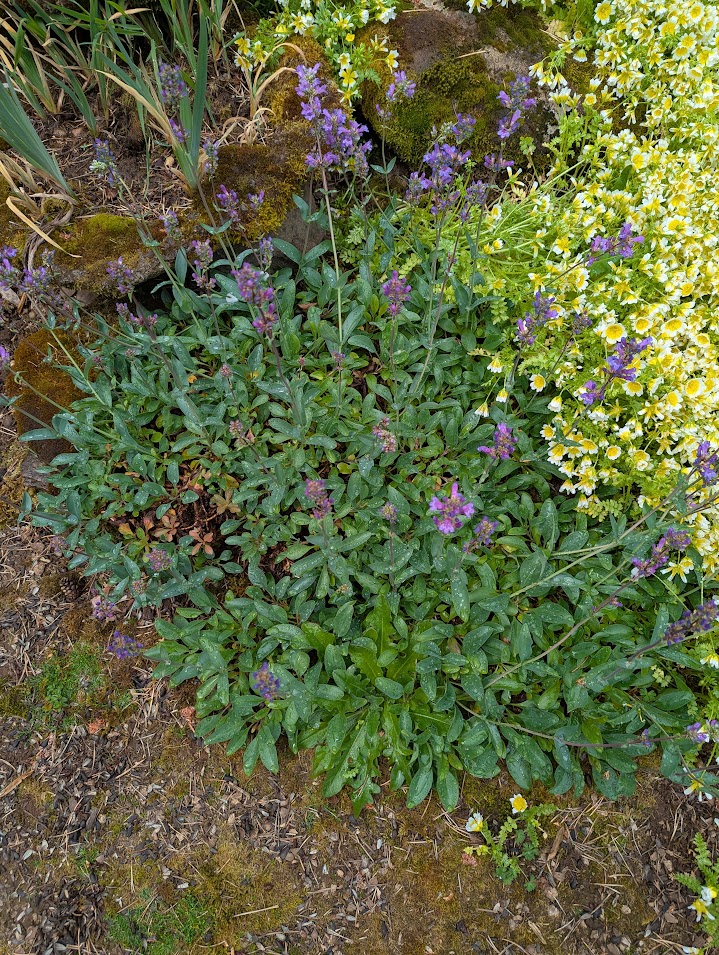
        Prices for plants were all over the place, too. I wrote down the price of commercial bleeding hearts at the gate: $6/gallon pot. We saw 4-inch pots for as much as $14 and as low as $4. I found grand collomia starts (two to a pot) for $4, a big yellow yarrow for $12 (gallon pot), an exotic looking “epinedium youngianum” (Young’s barrenwort) also for $12. And a lot of commercial bleeding hearts in gallon pots for anything from $12 to $24! I returned and bought two of the first ones I saw at $6. Our friend found a bottle bush (he likes mine) for a decent price as well. We stopped at another nursery on our way home because the vendor at the event told my husband they sold smaller versions of a plant he fell in love with at the nursery: an Australian mint with purple flowers.

        peony bloom destroyed by insect
        peony bloom destroyed by insect

        I also asked the expert from Brother’s Tree Peonies about this damage to one of my peonies. His eyes got large and he said, “Bugs don’t like peonies!”  But then he came up with an answer: the culprit is most likely a carpenter bee who dug out the hole, decided it didn’t like peonies, and moved on to a better home. Makes perfect sense to me and it is only one peony, the “test” peony. Because bugs don’t like peonies.

        Grand Collomia in bloom, roadside flower. Native.
        Grand Collomia in bloom, roadside flower. Native.

        Now to wait out the next week of rain clouds. And to get ahead of Round One with Allergies.

        Read Full Post »

        I then went to work on my “defeat the neighbor’s lawn maintenance guy” project. This is a three-foot wide strip of lawn that abuts their property and is hidden from sight to us by virtues of an ancient garage. Per city code, the garage is set back from our property line but that three feet of set-back is still our property. The war began not because the lawn guy mows the lawn back there (we don’t really care) but because the first year he started mowing their lawn he also mowed down all my sword ferns on that side of the garage. MY ferns that I planted specifically so no one would have to mow there.

        I’m a little bit possessive of plants I work hard to put into the ground and nurture to life, even if they are sword ferns in full shade where I never water. Or look, really.

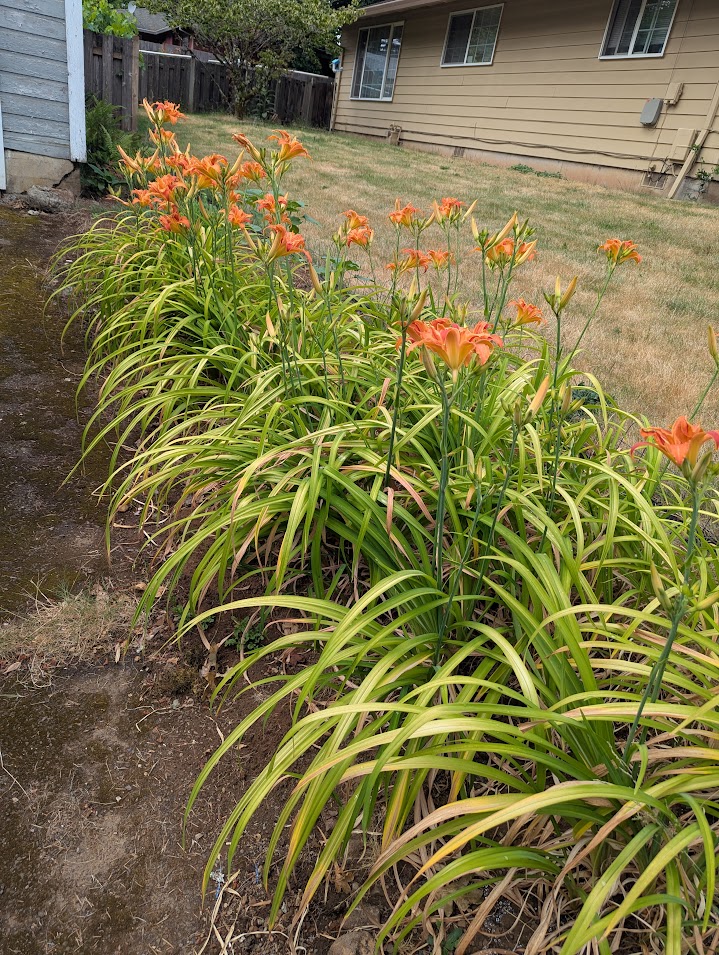
        I put out a sign on the side of the garage to PLEASE DON’T MOW THE FERNS. I decided to plant some flowers along that side of the driveway for color. The setback runs parallel to the driveway (which you can see from the house and street) down to my big yucca plant and our water meter. I don’t water there, but someone had to mow the grass there. Twenty years ago, the old woman who originally owned the property asked me to plant flowers there since we routinely forgot to mow that area. Now that I have mostly exhausted new garden beds elsewhere in the yard, why not follow up on that request and plant drought-tolerant but pretty flowers there? Day lilies immediately spring to mind.

        I did that. And lawn mower man still manages to clip my plants with his lawn mower. Not the ferns anymore, but the day lilies and the daffodils that were already present there. He runs one wheel of his mower down the strip and steps in the flowers. But the last thing he did was to dead-head MY yucca last year. What the actual…? That yucca is kind of my baby: I picked it up for free over 20 years ago and it has been so happy in that little spot, blooming up a storm every year. I usually cut the expired flower spikes down late in the summer or early in the fall, but last year?! Lawn mower man did it for me.

        Lawn mower man has been advised, but he really just doesn’t “get” it. He’s not the brightest bulb on the tree (a saying that I suppose means a Christmas tree’s string of lights). So, yes, I could just talk to him but this area needed flowers and plants anyway. Rather than confront a poor man just doing what he thinks is his job, I did mine and took care of the space like Selma asked me to so many years ago.

        Trimmed the ferns and added edging beside the garage.
        Trimmed the ferns and added edging beside the garage.
        The view to the yucca. I'll add more drought tolerant flowers.
        The view to the yucca. I’ll add more drought tolerant flowers.

        Read Full Post »

        It is raining today, a light rain that will knock the pollen out of the air, but which keeps me inside the house. This is all right with me. We just came out of a weeklong dry spell during which I was able to get a lot of yard work done but at the price of my health. My face feels like it is swollen out to the end of my nose, my eyes feel (and look) like they have been sandblasted, and my nose is dripping. Allergies have come on early and brutally this season.

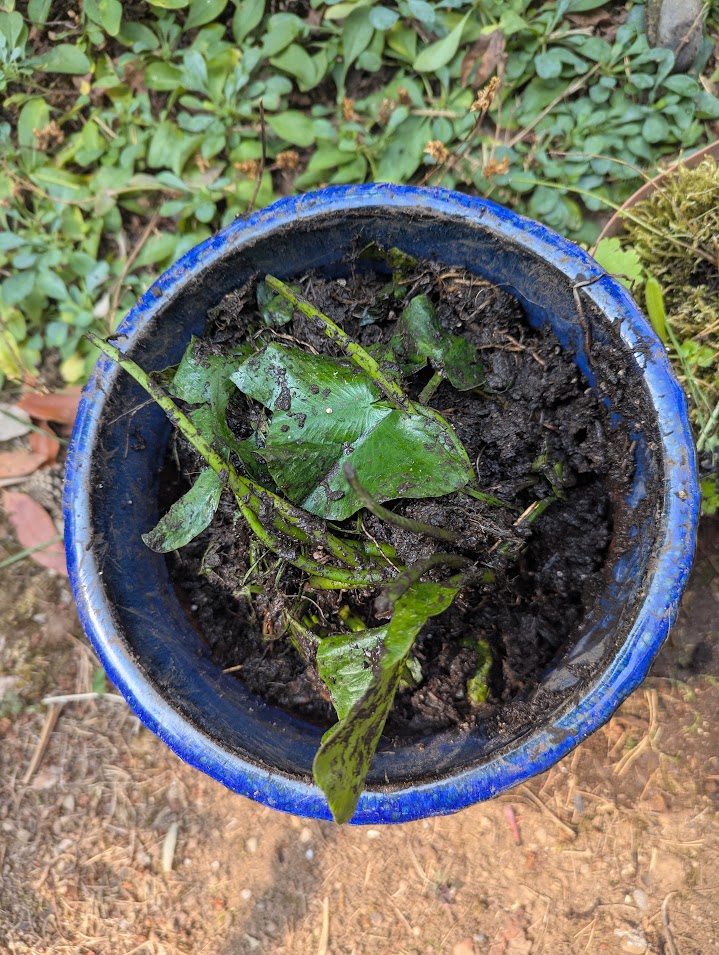
        I was able to fix a leak in (under) one of my water features. This involved a trip to Lowe’s for some lawn edging and a surprise purchase of a 3×4’ plastic for under a sink. We looked at pond lining (too expensive and way too much lining for my purpose) before we found the under-the-sink lining. Honestly, if you need this stuff under your kitchen sink, you need a plumber. For my little purpose, the size and thickness were perfect, as was the very low price. (We also found the lawn edging I wanted and a bonus shelving unit for the shed we had installed last year, the shelving being on sale and reasonable priced.)

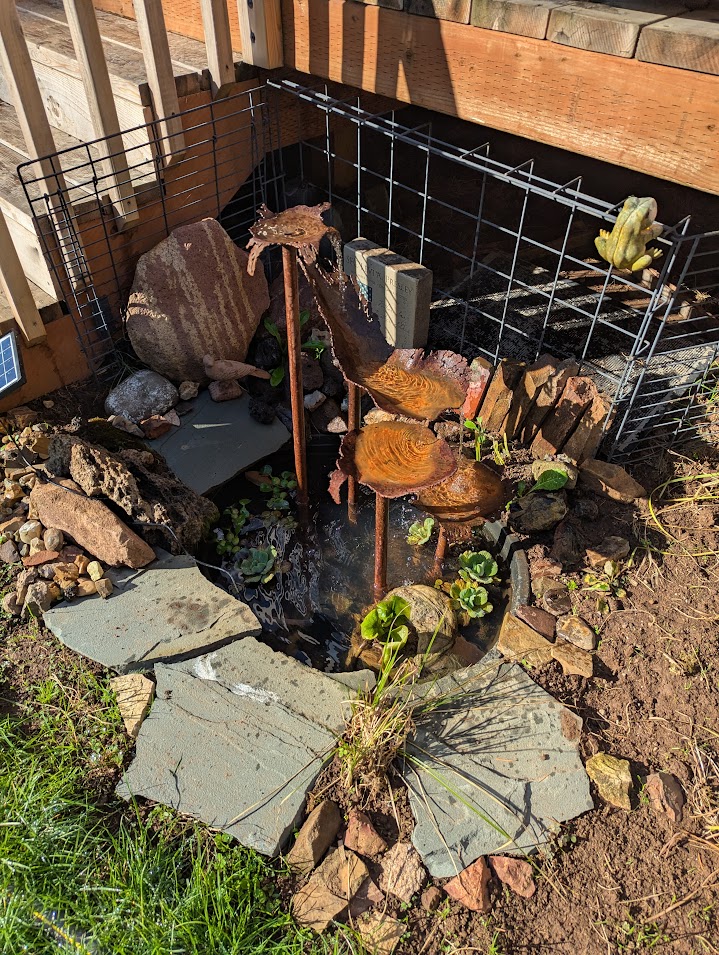
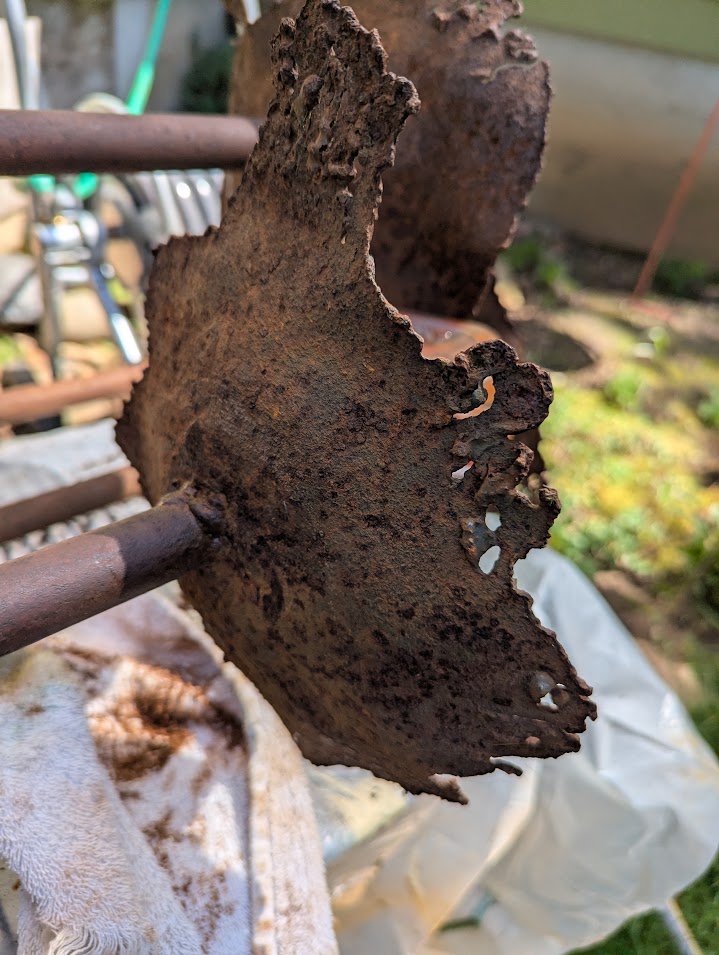
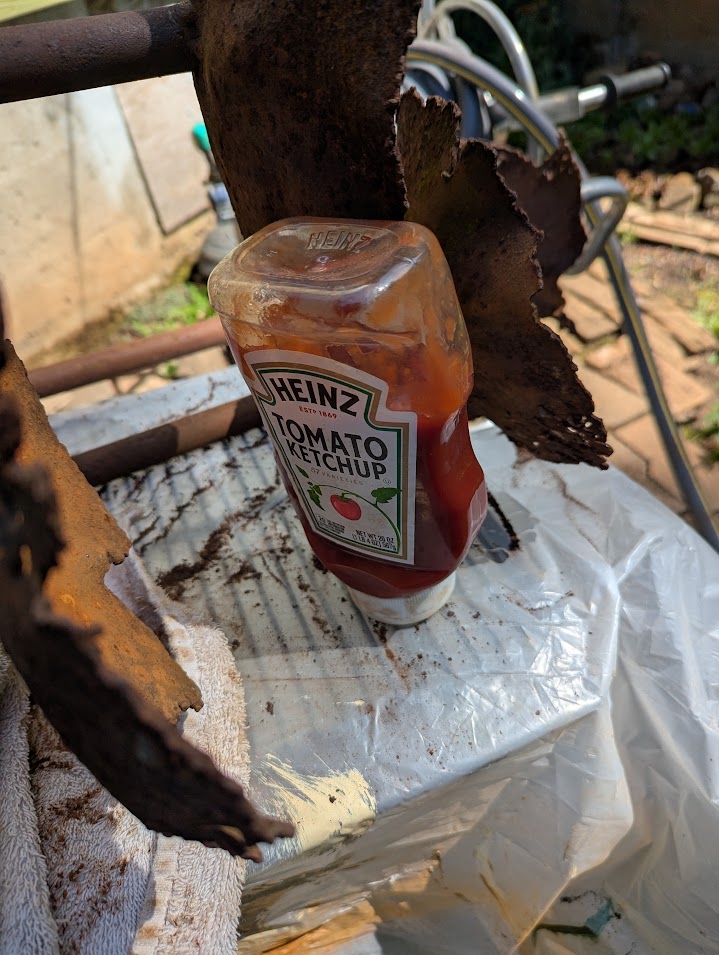
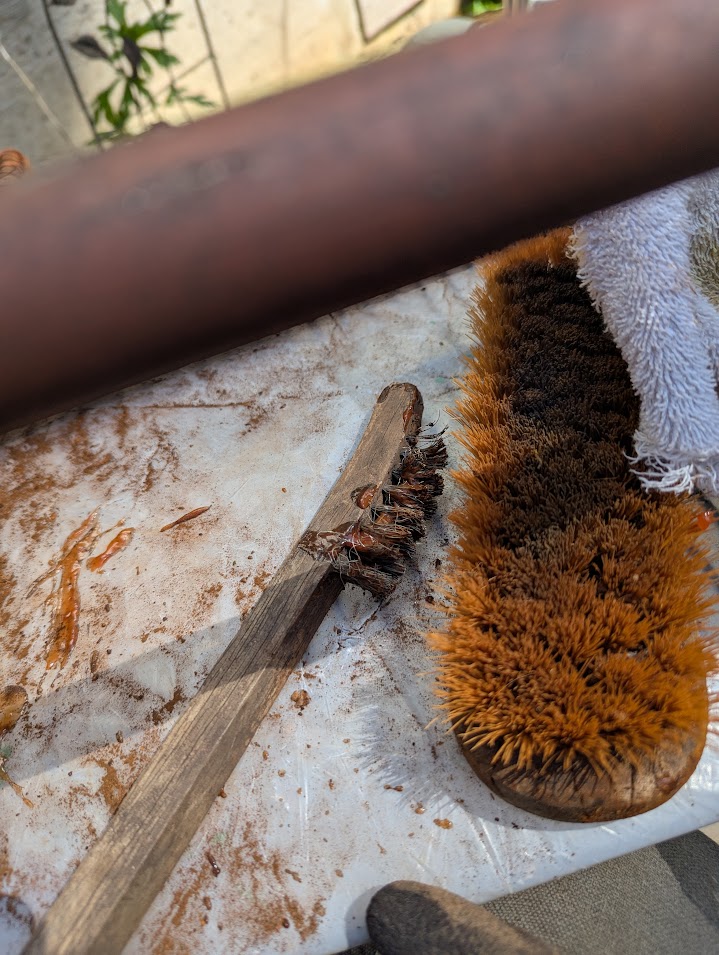
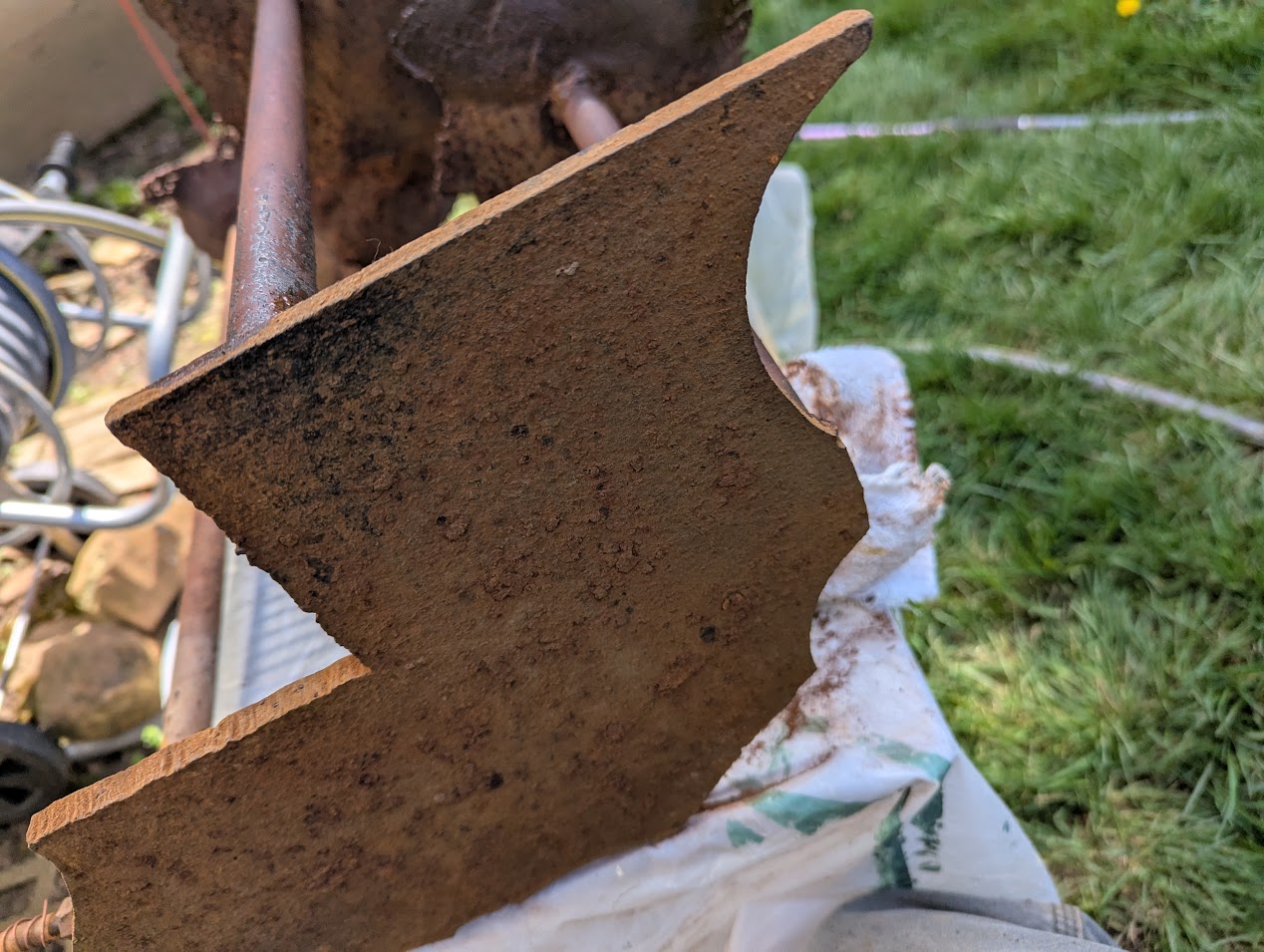
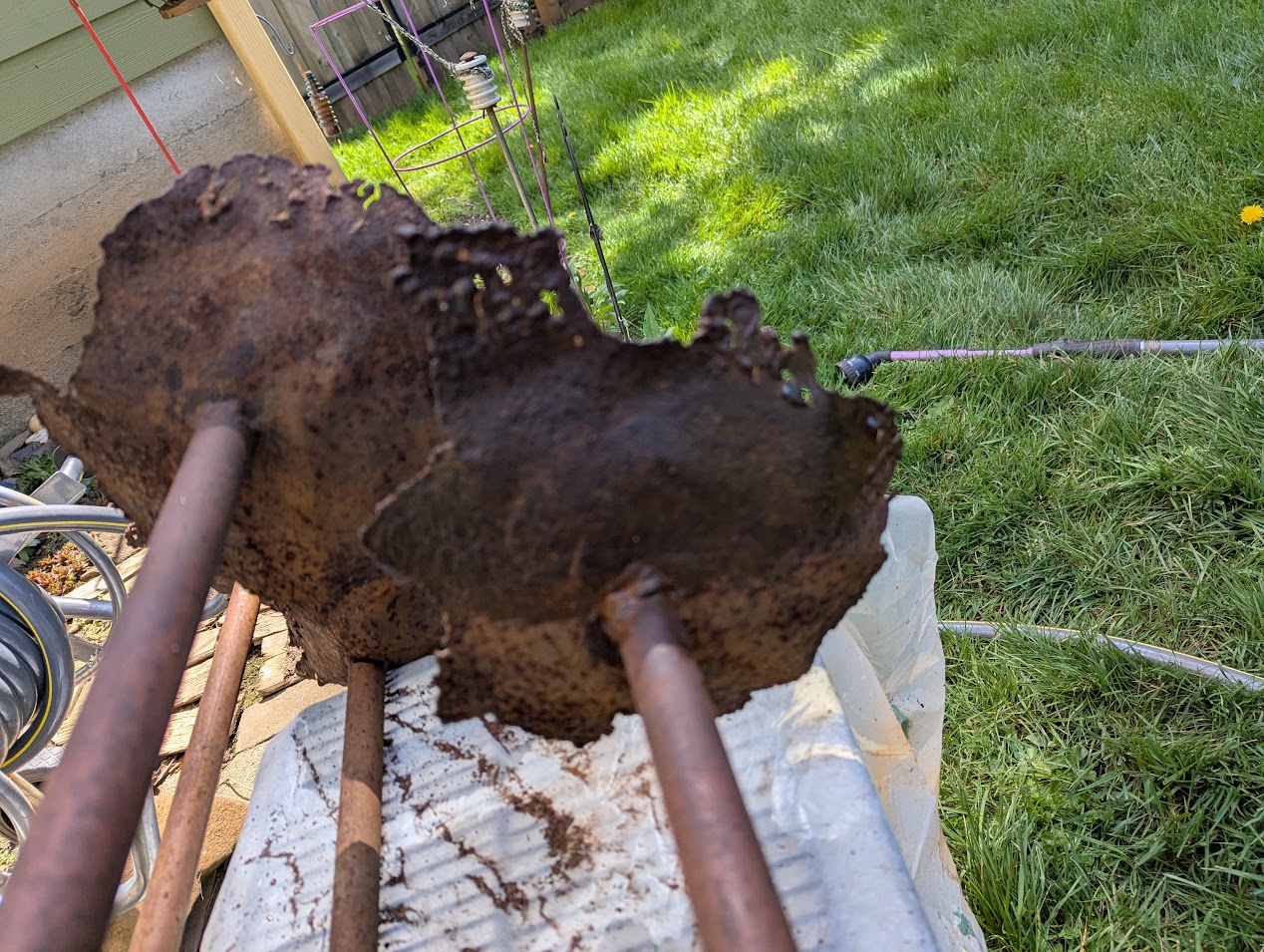
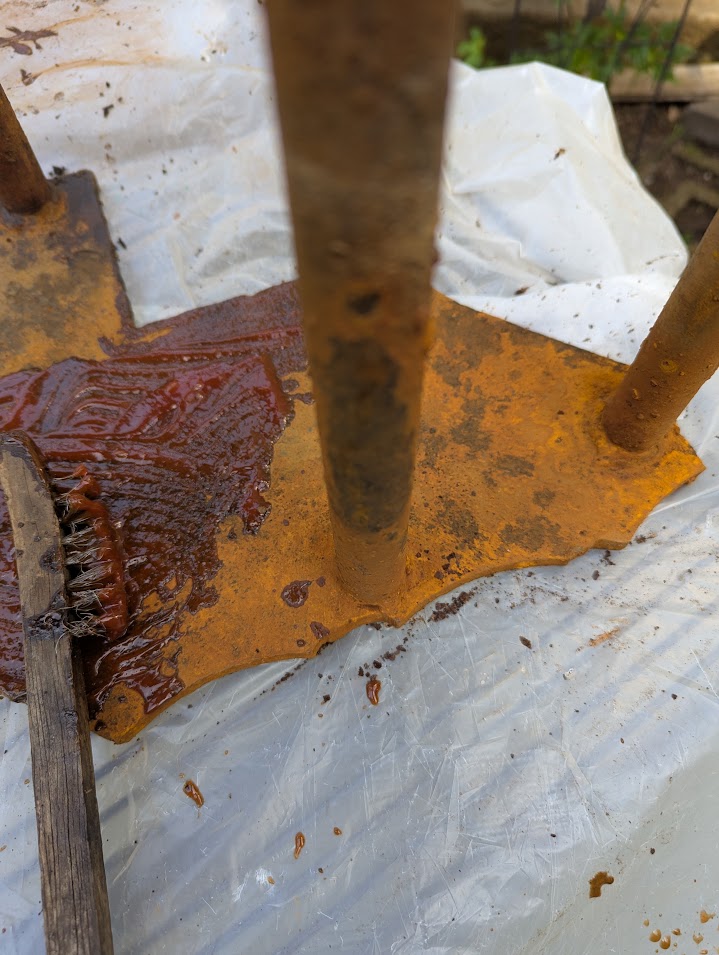
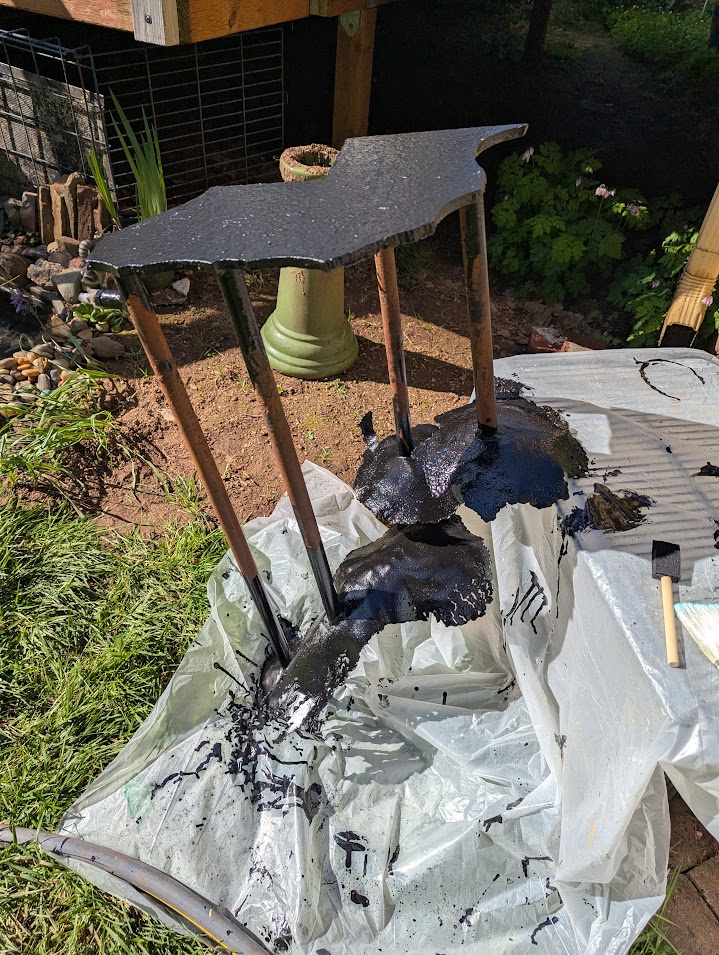
        Both water features need work, but the second one isn’t a leak: it is the rusty “fountain” I bought at a yard sale. We need to do something about the rust. But I didn’t tackle that this past week. That job will be a future blog post.

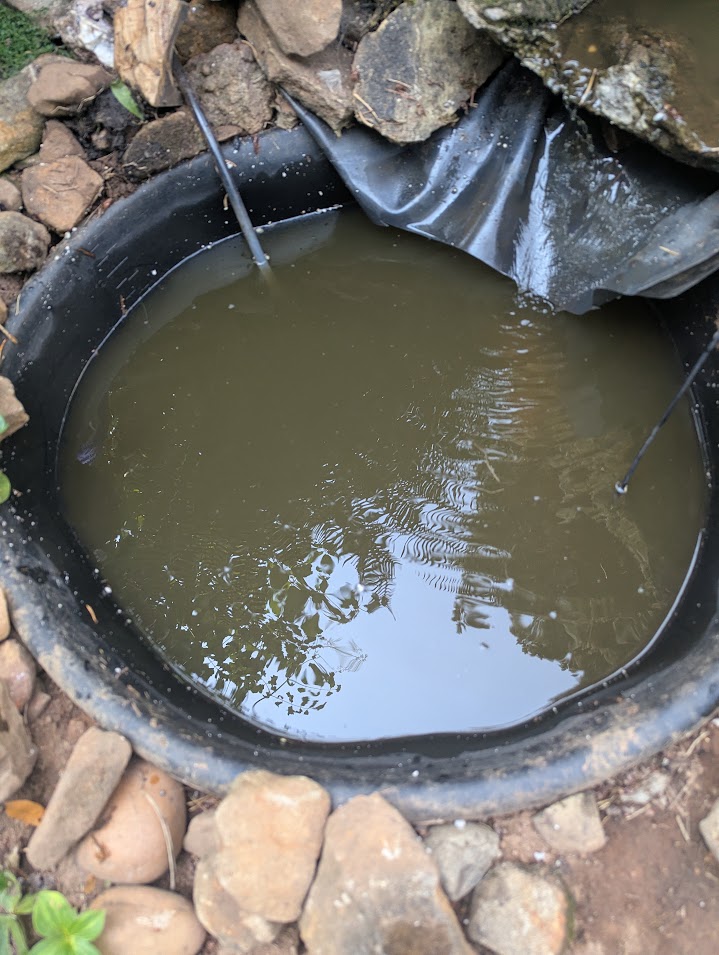
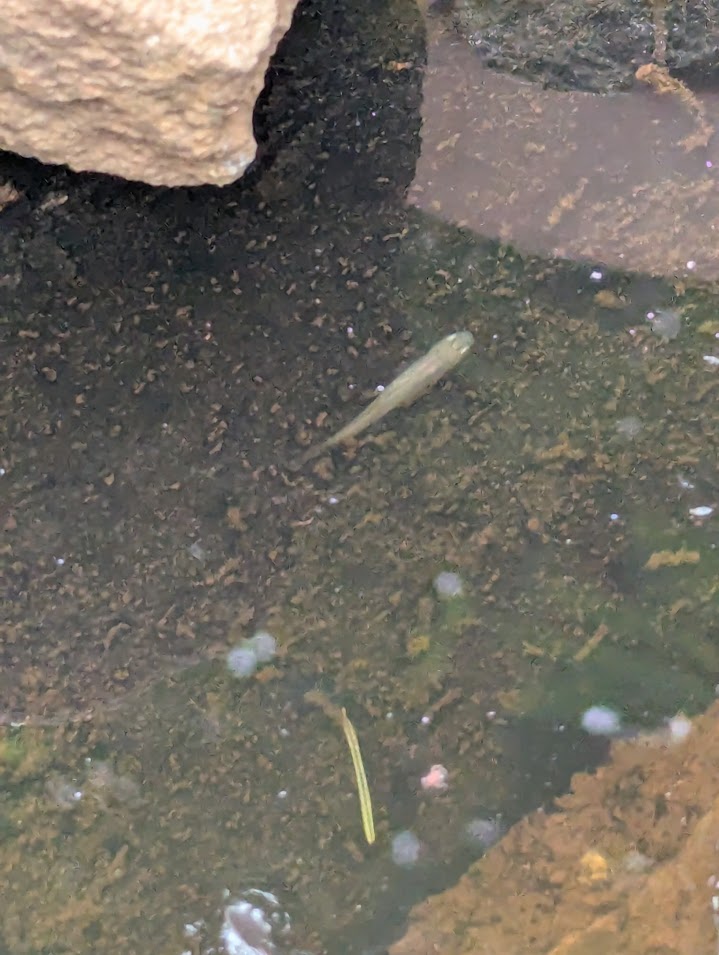
        Using a crowbar and moving a number of rocks around, I was finally able to stop the leak in the pond. The large rock forms a natural water course, but the water tends to drip under the lip and into the earth below. I tipped that rock at a slightly steeper angle, then played with the rocks and dish it drips into. The plastic lining went up under all of that (some feat considering the rock probably weighs 70+ pounds). But the result was that I managed to get the right angle and the pond now stays full. I will need to get some mosquito fish next, but I’ll fix the other pond first.

        Read Full Post »

        Water Feature

        Welp, the rains are here for the duration. I’ll still get in some gardening on the few days of sunshine and dry that intersperse the gray, depressing, and very, very, wet days. The rain isn’t what is depressing: the cloud cover and long, gray, days is. I tried those blue anti-depression lights, once. Blah. I’d rather coerce my husband into building a fire in the fire pit and bundle up in layers on those days that are dry (the clouds can still be there, but a fire, the outdoors, and wood smoke alleviate depression better than a lamp that pretends to be the sun).

        Microsoft Word doesn’t like that I refer to our winter weather as “the rains” (plural) but it is an accurate description: it isn’t one single rain but many such storms and sprinkles that come overhead throughout October to June. Rains. Multiple rain storms. With lots of thick, gray, clouds. If we’re lucky, we’ll get a snow storm tossed in there. If we’re unlucky, it will be an ice storm that comes down in the guise of rain: freezing rain. Fun times.

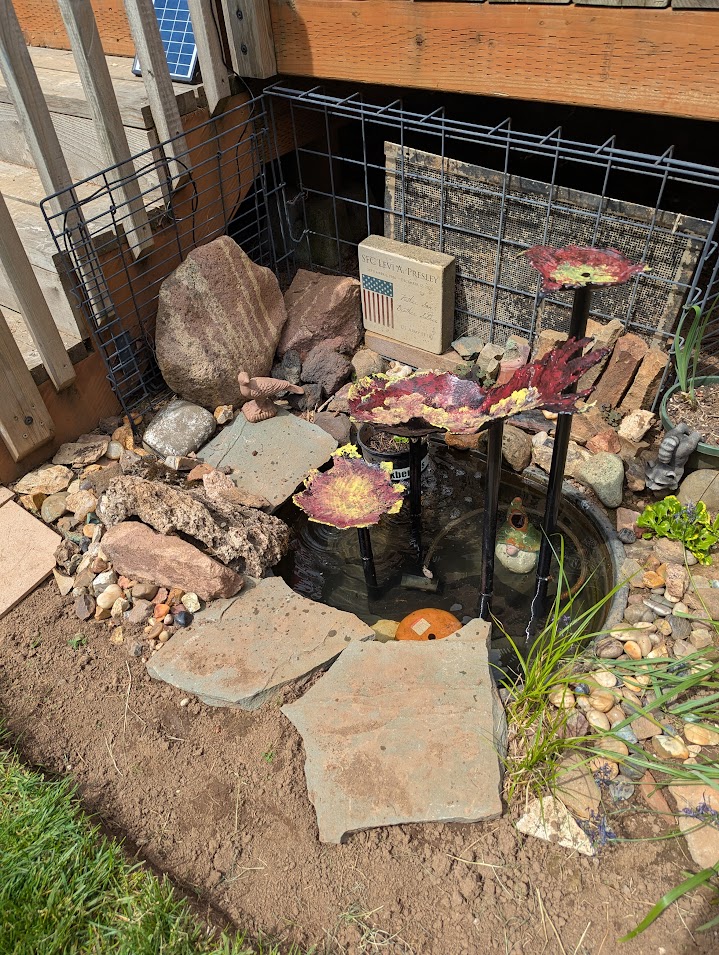
        Before the weather turned and the cloud pattern changed, I finished up my second water feature. It needs a little fine tuning that won’t get done until the weather begins to warm back up, but I’m still pretty proud of what I created.

        The rock that is the centerpiece came with the house. We live on top of a rocky bluff where tons (literally) of these sedimentary rocks formed when volcanoes were young and glaciers were receding. Boulders atop layers of lava rock, bluffs upon bluffs above the Willamette River, Our yard was cleared and farmed in the early 1900’s and most of the very large rocks were removed or sit buried under several feet of topsoil and clay. The corner of yard where my newest water feature is happens to be an area least developed and used as a rock and concrete dump for at least thirty years. I still find fat pieces of asphalt and broken concrete in the ground when I dig.

        The native rocks are red, like the clay that makes up most of the earth around here. We just happen to be blessed with at least a foot of good topsoil atop that clay due to the farm that was established here in the 1930’s. At least everywhere except in this particular corner where everything was dumped before we moved in.

        We removed most of the large chunks of concrete and asphalt and I started turning the area into a small garden. Don moved this big concave rock in the hopes of “someday” building a water feature in the corner. Twenty some years later, I built that water feature. I could say I got tired of waiting for him but the truth is more nuanced than that: he has his projects, the vegetable garden, a new shed, and more. I love to garden flowers, dig in the dirt, build walls, and rearranged things. It is only natural that I should take on the task of building a water feature after waiting for him to find time to do it.

        I have the time and the will; he has neither.

        I bought the round rubber animal trough at the local feed store. I ordered the solar pump. I dug the hole in the ground.

        I didn’t find a lot of rocks in the way: I found the roots from the neighbor’s tall pine tree running through the ground, none of them larger than 1.5” diameter. I cut them out knowing they wouldn’t impact the life of the tree (which is dying anyway, but slowly, and due to a beetle infestation). I leveled the ground and installed the trough, planted the yellow flag irises in tubs, and filled the crater with water.

        Oh, and sometime along the road, I made the semi-solid concrete feature that forms the second rock in the waterfall: concrete and a rhubarb leaf.

        Me, me, me. And I’m only bragging about it because I will be 69 years old in a week and I’m still playing in the dirt and digging holes. Also, the birds already love it.

        And, yes, I took a couple days off to recover after all that work.

        Read Full Post »

        I’m ashamed: I have not kept up on the blog. Well, I’m not really ashamed, but I am a tad bit regretful that I haven’t kept up. I think of things to write during the day when I am elbows deep in something, but evening comes, and all that inspiration has evaporated. Poof! Gone! Dissipated into the Nether.

        We put in a new shed, replacing the homemade one that came with the house when we moved in here over 20 years ago.

        I have been busy canning enough for the two of us: salsa, compote, conserve, chutney. Herbs have been dried or are drying for herbal teas. We foraged huckleberries and elderberries from the National Forest (those are in the freezer, awaiting a moment of inspiration).

        We also foraged some more native plants for the yard, some of which have already been planted in the ground and some which are waiting for me. They won’t have to wait long: I have been busy moving plants around and tilling new sites for more plants. I’m waiting for the next round of rain to pass through and will use the ensuing dry days to my advantage.

        I have filled the hummingbird feeders and hung them out: I took them down during the hot days of late August when honeybees get lazy and swarm the nectar. I melted and mixed up a new batch of bird suet. That came down when the weather warmed up and the starlings started coming around. The starlings are gone now, moved to parking lots. The weather is cooler and the suet won’t melt or mold now. We’ve started feeding the corvids and small songbirds again. (Corvids: California scrub jays, Steller’s jay, and crows.)

        I have cleaned up the space between our shed and the neighbor’s lawn. That’s a bit of a sore point: our garage is set back three feet as per the law, but the yard maintenance person insists on mowing our portion, including over my ferns and day lilies. ARGH. I have tried little fences, cardboard, and now I am merely tilling up the strip to plant more flowers. When we first moved in, the elderly woman who lived in that house asked me to do that so her lawn person wouldn’t have to mow that (because we aren’t the best at keeping up the lawn mowing, preferring to let our yard go “natural”). I wasn’t in a place to do it then, but I am in a place to do it now.

        Too bad that Selma died several years ago and we have had renters living next door since. Renters who did not mess with our three feet until the landlord hired this current lawn guy. I have even posted a sign on the side of the garage: DO NOT MOW OVER THE FERNS, PLEASE. He still hits them. So I am in a passive-aggressive war with him (and by extension, the landlady to the property). Yes, I could make a phone call, but it is infinitely more fun doing it this way. Don’t judge me.

        (If you’re thinking I’m afraid of confrontation, you’d be very, very wrong. Most people are afraid of confrontation with me. When I come into a confrontation, I come with both barrels loaded and a back-up cannon. The world is much safer when I resort to passive-aggressive flower planting.)

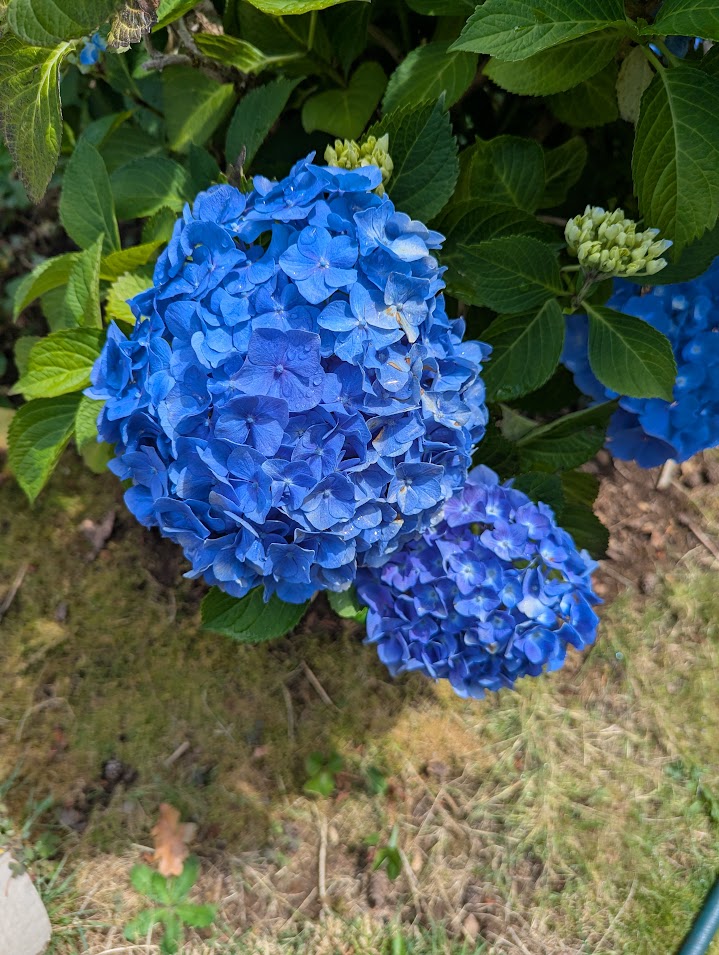
        I hacked my poor hydrangea back by at least two feet. It used to be planted under the pine tree (Nature rest its branches and rotting roots). The pine tree fell over some seven or eight years ago. The hydrangea is now in full sun, and summers have heated up the past five or six years. I have covered it with umbrellas, sheets, and tablecloths, but it still gets sunburned. The flowers fade too quickly. It has grown spindly. I could either kill it outright or prune it way back and see if it survives.

        A woman walking her dog by the house commented on it. I told her I hopes I hadn’t killed it by my merciless hacking. She said she’d watch it and if it lives, she’s hacking back her overgrown hydrangea next fall. That’s me: inspiring neighbors to bush cruelty.

        I also cut the Rose of Sharon back quite a bit, the forsythia, and the mock orange. They aren’t as noticeable a hack job as the hydrangea that was five feet tall one day and less than three feet tall the next. Turn me loose with pruners and a saw…

        I meant to do a blog on sprinklers, highlighting our eclectic collection, most of which we don’t actually use. I may still do that. It sounds like a wintertime post. Meanwhile, I am considering this post finished.

        Read Full Post »

        It is time to cut the milkweed out of my garden.

        I planted it many years ago. It never sprouted. Four years later, there was a tiny plant that looked suspiciously like a milkweed growing next to some peonies. I clipped a leaf off to see if it would ooze the sticky white sap that gives milkweed its name: it oozed. Excited, I let it grow. The milkweed plants are limited to a “triangle” between the garage and two sidewalks. I cut them down when the seed pods appear: I don’t need more plants. Also, I don’t want to wait another four years for the seeds to sprout when the plant does just fine by sending out runners from those very sturdy rhizomes.

        I was afraid the milkweed would crowd out the peonies and the asters. It doesn’t. The three plants grow together happily. What the milkweed did affect was my arum, dracunculus vulgaris, or “Dragon Lily”. The milkweed runners take up the space the lily’s bulbs are in and I’ve slowly lost many plants in that tiny garden space. There are a few left and this fall I will dig them up and move them to a better location, free of water- and space- hogging competition.

        Unfortunately, milkweed does nothing to impede the growth of grape hyacinth, I don’t think anything short of a heavy-duty herbicide affects grape hyacinth (and I refuse to go that route). Every year I pull several hundred bulbs out of the ground and compost them. (Sometimes, I will give them away to a desperate gardener who doesn’t know better than to start them in their yard. I’m pretty sure I’m digging up bulbs to send to my brother in Reno this fall. “Hey, Bro, your yard needs some early spring color. I promise you won’t hate me in ten years…”)

        Now, when the first purple grape flowers begin to bloom, I do my first – and only – weeding of the space. I cut hyacinths for a bud vase. I toss the ones that pull up with the ever-present grass. I do my best to rid the space of grape hyacinth bulbs while enjoying the aroma and color. Of course, I fail and the hyacinth prevails.

        In the Spring, I cut back the old stalks of peony and aster just as the first new stems begin to push their way skyward around the fading hyacinth. Purple stems of peonies, green stems of aster, the spotted stems of Dragon Lily rise above the fading green and brown stems of faded hyacinth. Buds form on the peonies and soon the area bursts with pink and red peonies so thick I have to tie them to stakes to keep them upright.

        The peonies fade and drop their petals just as the aster and the milkweed stalks begin to mature. The green of the aster is first to top out at 2-3’ tall. Milkweed will soon tower over the asters and all one will see will be the green stalks of milkweed.

        But before it does, at the end of May and always on our anniversary on the 7th of June, the aroma of rotten hamburger wafts in the air: the Dragon Lilies have opened. Flies and beetles rush in to await their demise in bowl of this carnivorous beauty. The smell lasts a couple days. The flowers wilt and the entire plant begins to wilt and turn yellow.

        Now it is the milkweed’s turn.

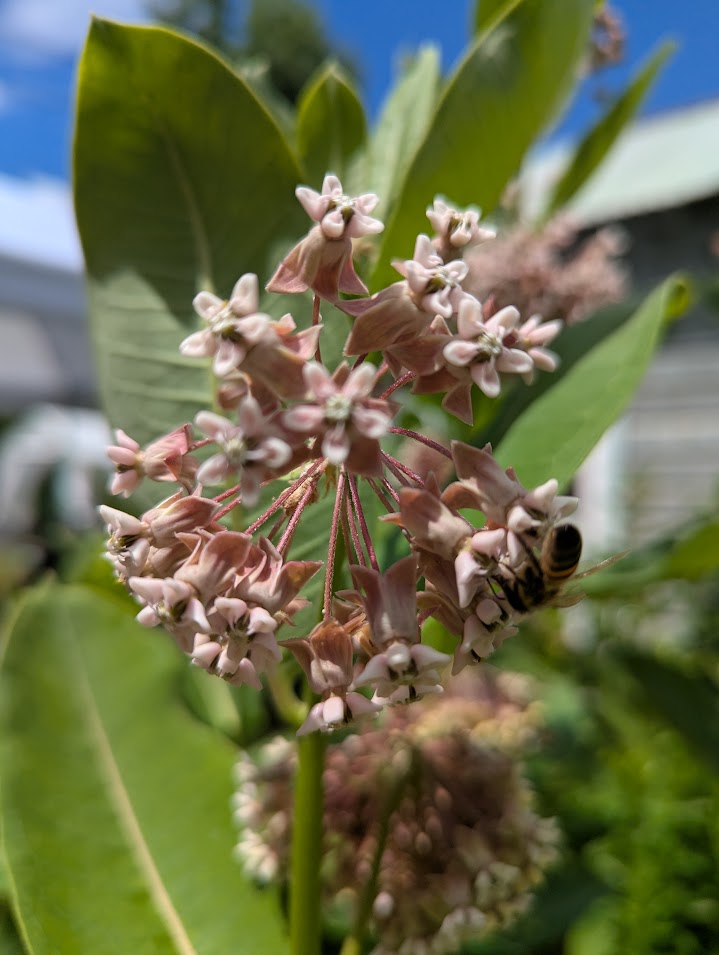
        I have two varieties: Showy milkweed (Asclepias speciosa – native to Oregon) with pink florets and California milkweed (A. Californica) with white florets. The latter isn’t a native to Oregon, and it doesn’t grow as prolifically as the Showy milkweed does, but the blooms are pretty and the aroma is the same: sweet and enticing, the polar opposite of the faded Dragon lily.

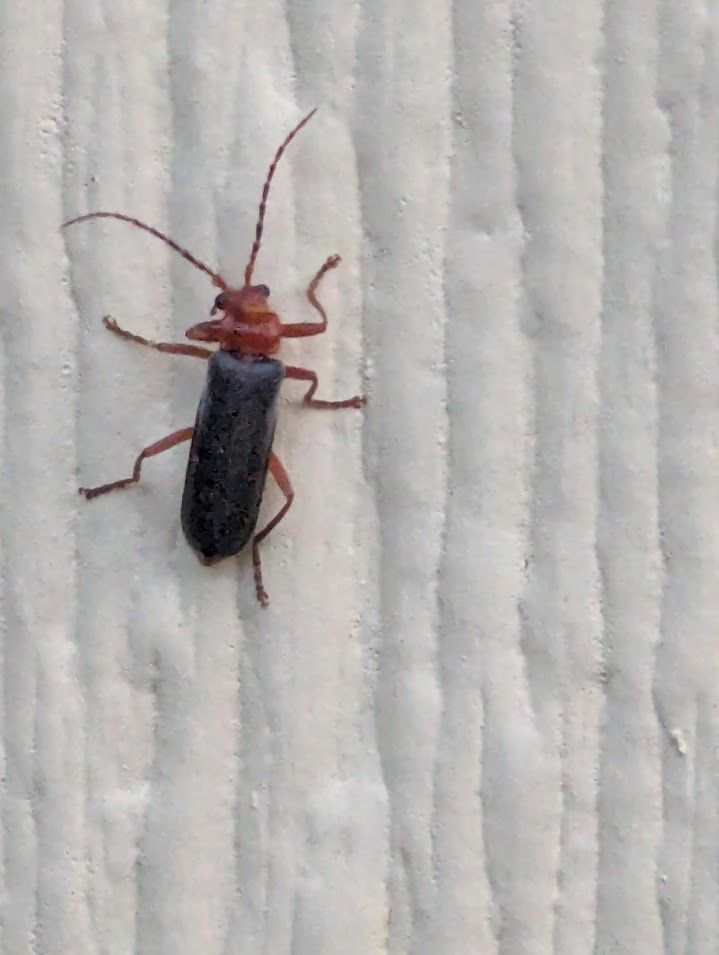
        I planted milkweed thinking I could attract migrating Monarch butterflies. I didn’t know then that this part of the lower end of the Willamette Valley is not on the migratory path for these beautiful and endangered butterflies. No worries: the value blooming milkweed has for other pollinators outweigh my misplaced intentions. Every early bee, butterfly, and tiny wasp brave the sticky edges of the flowers to get at the pollen inside. Occasionally, a honeybee will get stuck and will have to struggle free. A few plants wilt and die, host to the milkweed beetle which does exist in this half of the valley.

        Below the tall stems that now tower between four and six feet, a junco might build a ground nest. The nests are soft grass circles, now much larger than the palm of my hand. We won’t know there’s a nest there until a fledgling bird hops out of the cover while the parent birds hover nearby.

        The bloom of milkweed lasts a couple weeks giving us quite a show of pink and white, and busy pollinator insects. But then the flowers fade and the few that were pollinated will start developing seed pods. These are green and soft, and quite edible if you are not allergic (I am). When the pods ripen, they turn brown and hard then pop open to release thousands of sees hanging from wispy “umbrellas”. The wind catches the seeds and like the dandelion – well, you know the rest of the story! The ground is soon covered in tiny, milkweed parachutes looking for a home.

        But I mow down the milkweed, not simply to avoid the parachutes, but because the milkweed towers above the asters. And the asters put on a late show of color lasting through August and into September. The tall asters are a riot of magenta pink. The aster that grows in the crack in the sidewalk puts out lilac-colored flowers. The tiny bees – those mining bees and other ground dwellers – love the asters.

        The milkweed is gone now, and I wait for that last eruption of color. Too soon, the rain will come and everything will turn brown. (Photo is of a year I did not cut down the milkweed stalks and the seeds flew everywhere.)

        Read Full Post »

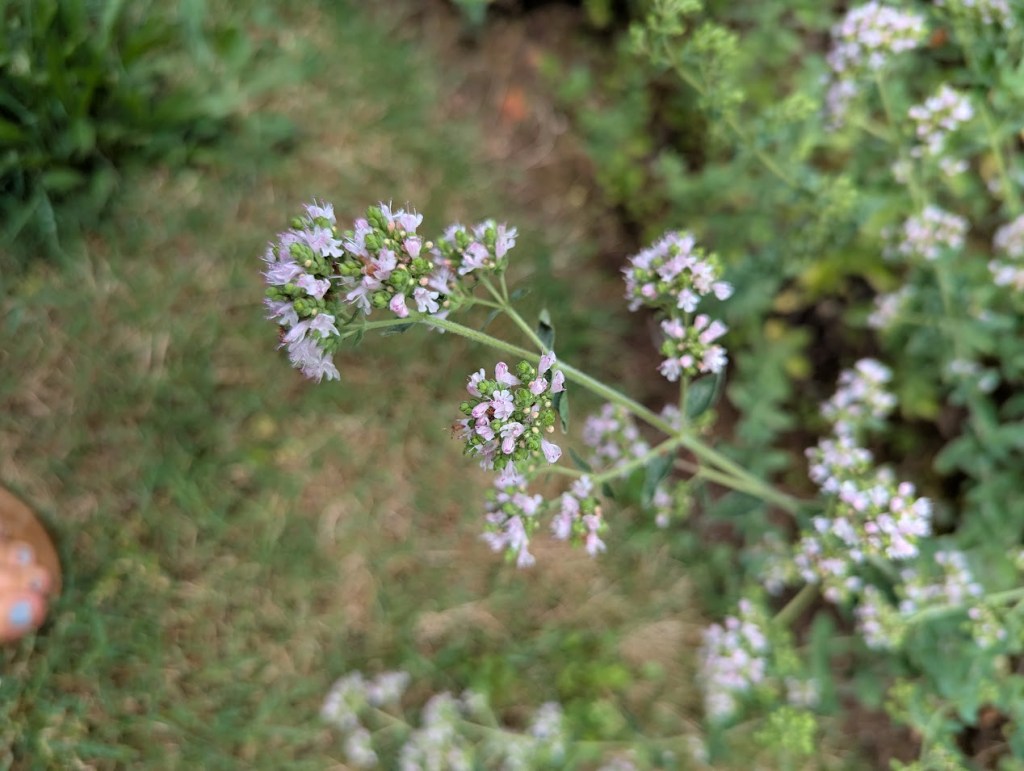
        The Weed Called Oregano.           

        I don’t remember when I first planted oregano in my yard. We moved here in 2002 and I started carving out the “island” in 2003, so it was probably 21 years ago?

        The “bed” of oregano has gone through some changes over the years: choked with that pesky grass, fenced off from dogs and to keep it upright, and it’s current incarnation that is 10x the original plant. I didn’t bother to rein it in this summer, but I did get rid of (most) of the pestilence grass.

        We don’t purchase dried oregano in jars. Sometimes, I cut a handful of sprigs before it blooms, hang them upside down to dry, and scrape the dry leaves into an old jar that still has the original label on it: “Oregano”. We use it fresh during the spring and summer months when we can step outside and clip what we need off the plant. By Autumn it is fading and come winter, only dead stalks remain that I cut down and compost.

        In spring, the cycle begins again.

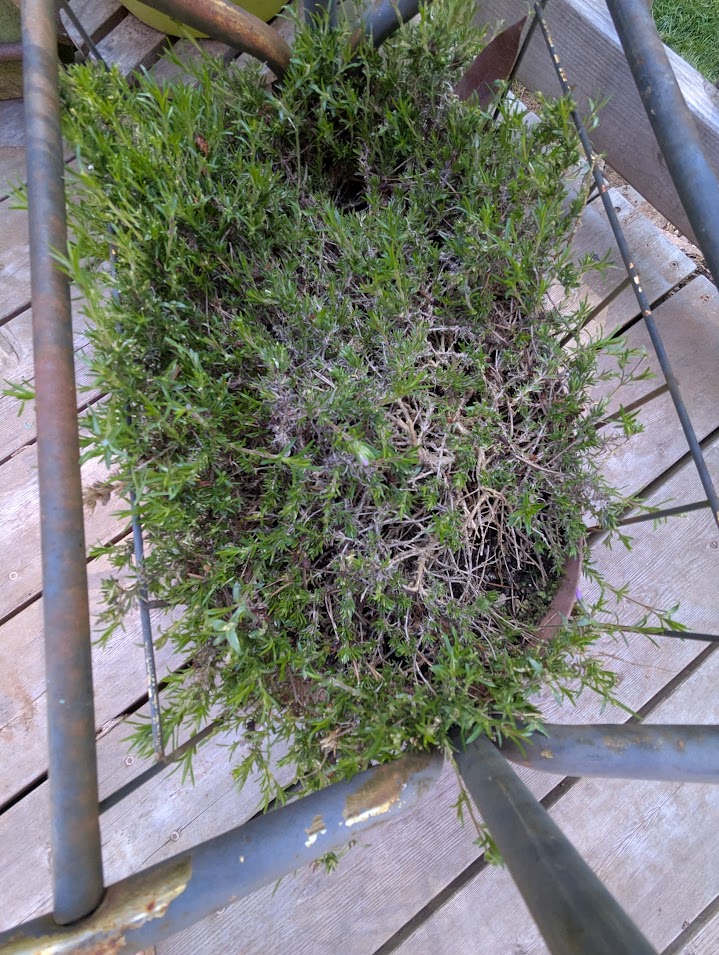
        I find new plants growing everywhere in the yard: oregano is self-seeding. I pull it with the other weeds, savoring the aroma as I do. I could allow it to grow everywhere and some day when I am too old to do my weeding by hand, that is probably what will happen: it will grow around the peonies, the rosemary, the lavenders, and the evening primroses.

        I wouldn’t mind and the pollinators would certainly benefit from the profuse tiny purple blooms. I wonder what oregano honey tastes like? Some honeybee keeper must know: as soon as it begins to bloom, the bed is covered with honeybees and other pollinators.

        Our dogs (one at a time over the years) will stand with their noses deep in the aroma, snapping at whatever bees they see. They get stung and jump back, shaking the head furiously before wading back in to snap at another bee. Our mantra is, “Leave the bees alone <Ruger, Murphy, Harvey, Sadie>!” They leave, but they always return to the scene of the crime.

        I wonder if the bees taste like honey or like a good Italian dish spiced generously with oregano?

        Read Full Post »

        Older Posts »