Intro: PART ONE – Hitchhikers
Many of the afore-mentioned “weeds” in my previous three posts are now ground covers I allow to spread. Ground covers reduce the need for bark dust or other material that has to be purchased every year or every other year (I used hazelnut shells in the past) by doing the same thing: holding moisture in the soil. I like the idea of plants over the bark dust/hazelnut cover, simply because plants offer color. And many ground covers crowd out weeds, like the persistent grasses that plague my flower beds.
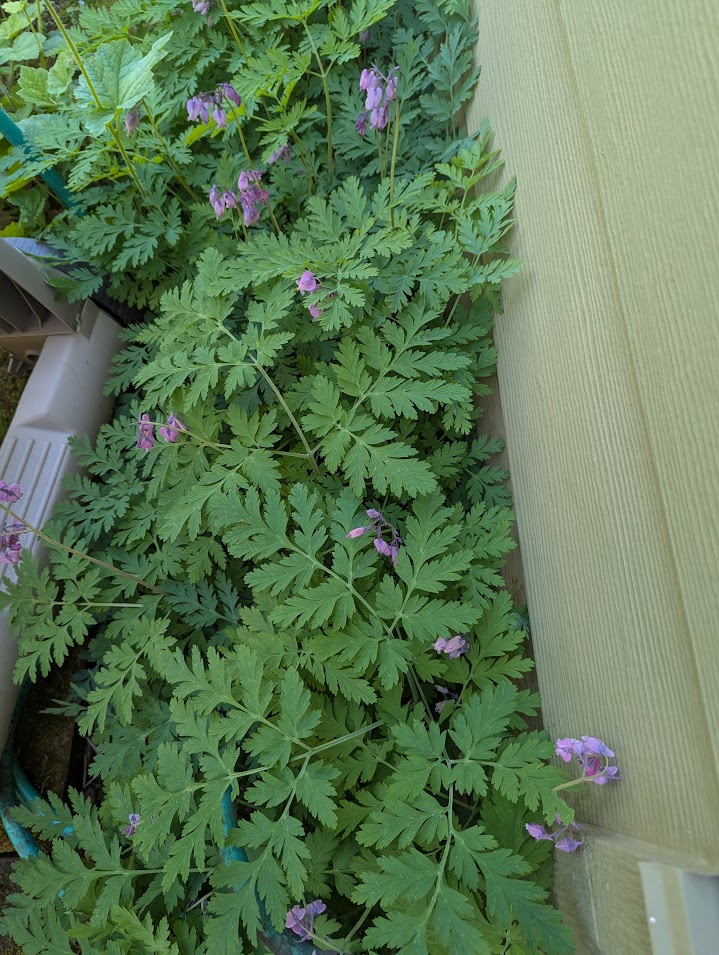
Pacific bleeding hearts – Dicentra Formosa. These beauties came with the house. They are a seasonal ground cover, growing in late winter and fading is the heat of summer, but they are native plants. I did purchase a couple commercially developed bleeding hearts for the flower bed around our decking, but the natives are here to stay. They grow wild in little corners of the yard and I am planting more north of the garage in our little median between properties. Bees love them. They take no effort to grow and are easily controlled.
Many or our native ground covers came into our yard as hitchhikers on something we dug up on Federal lands: the blue elderberry, the black-cap raspberry, a yew, and so on. You never know what all you might haul home in a root ball from the wild.
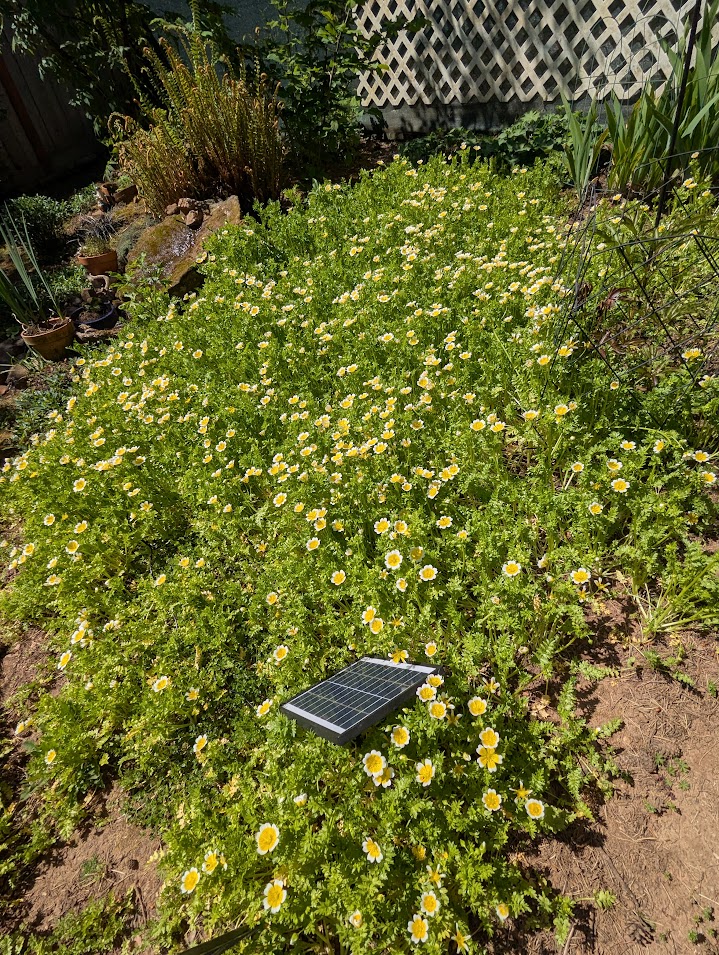
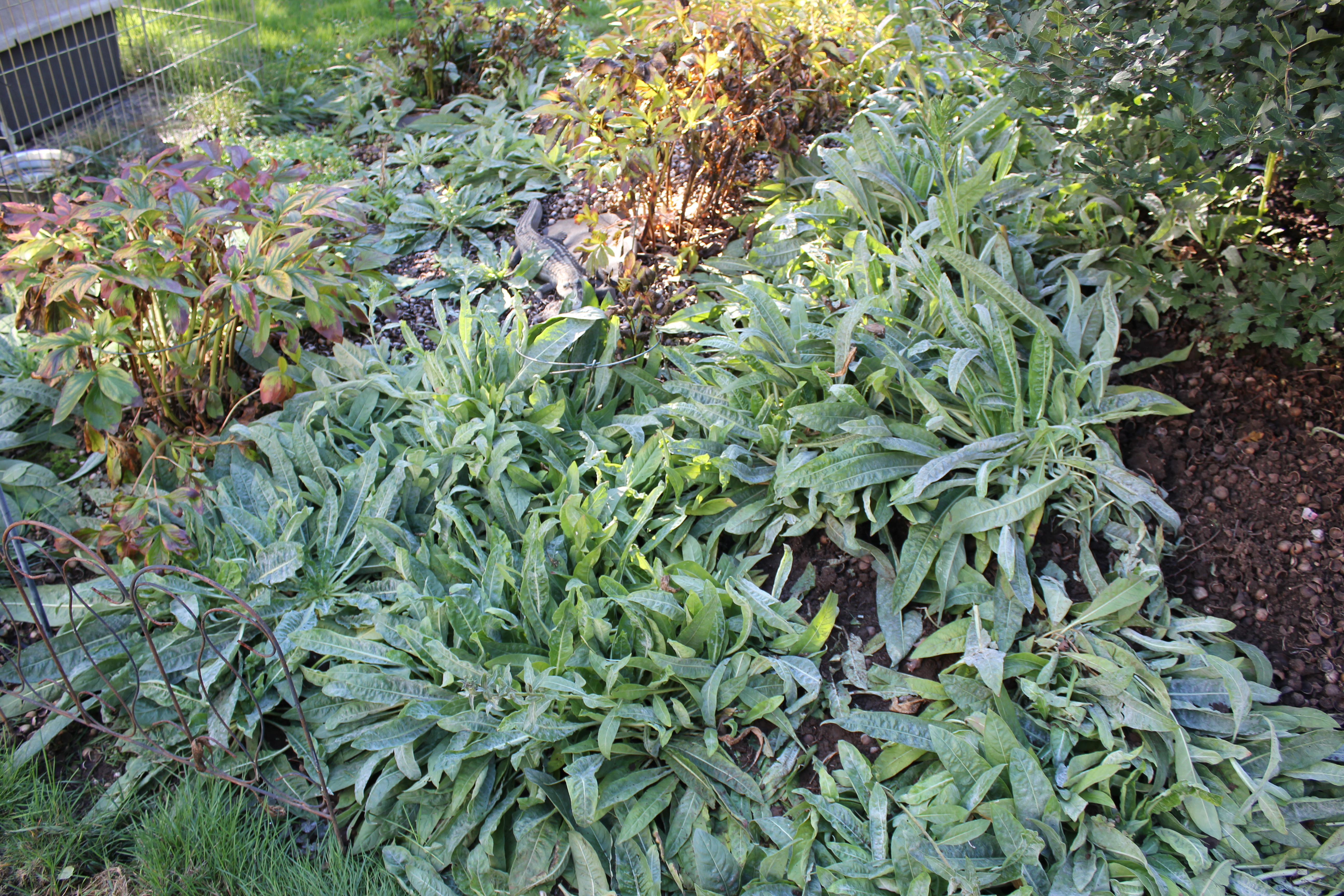
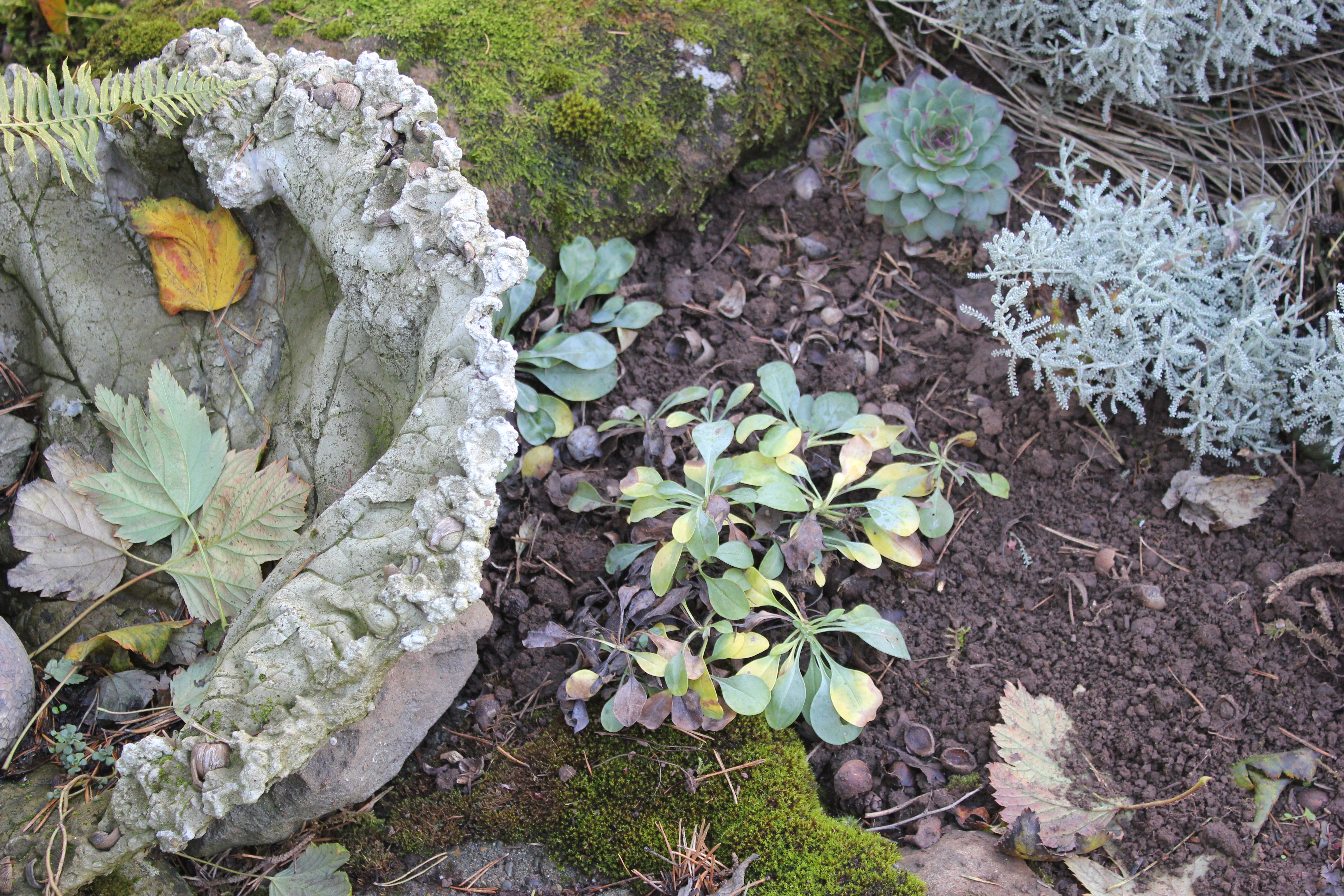
Douglas Meadowfoam – Limnanthes douglasii. Poached egg plant, so called because of the beautiful flowers. One or two showed up when we planted a yew and a big-leaf maple tree (both of which later died, sadly). They have spread to cover half of the flower bed in my little “prayer garden”. They start growing in early winter, covering the ground with greenery. The bloom is in early spring. By the time the heat comes on, the lants wither and die, like the bleeding hearts. I have tried other plantings to cover up the barren soil there, but this delicate ground cover doesn’t tolerate other plantings too much. Peonies are about the only exception. I don’t want to lose this ground cover, so I put up with barren ground for a couple months every year. It is worth the price when they bloom!
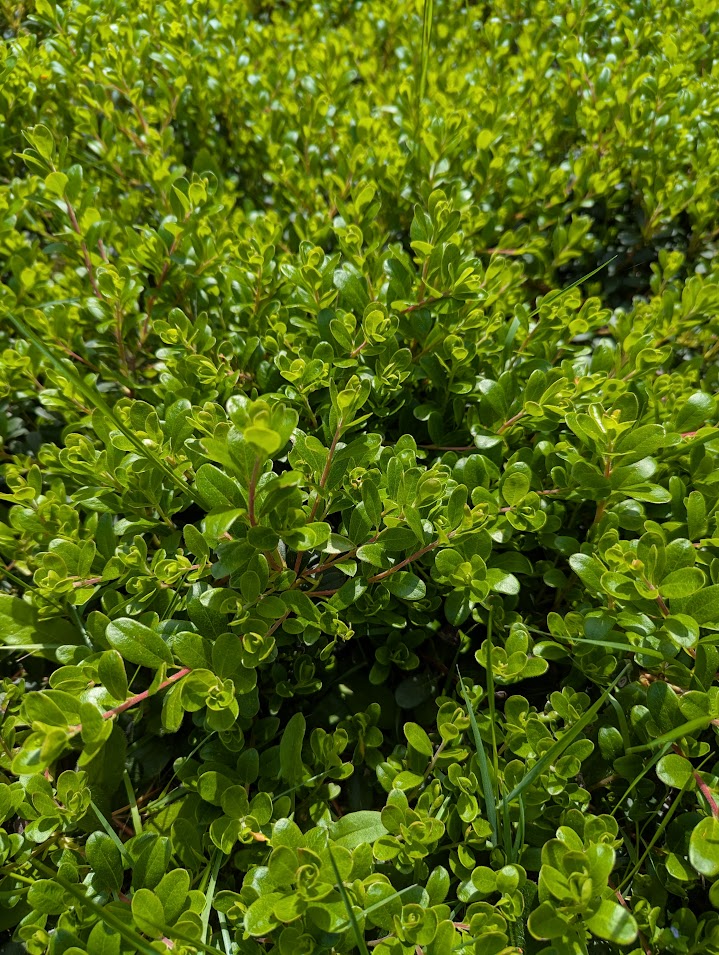
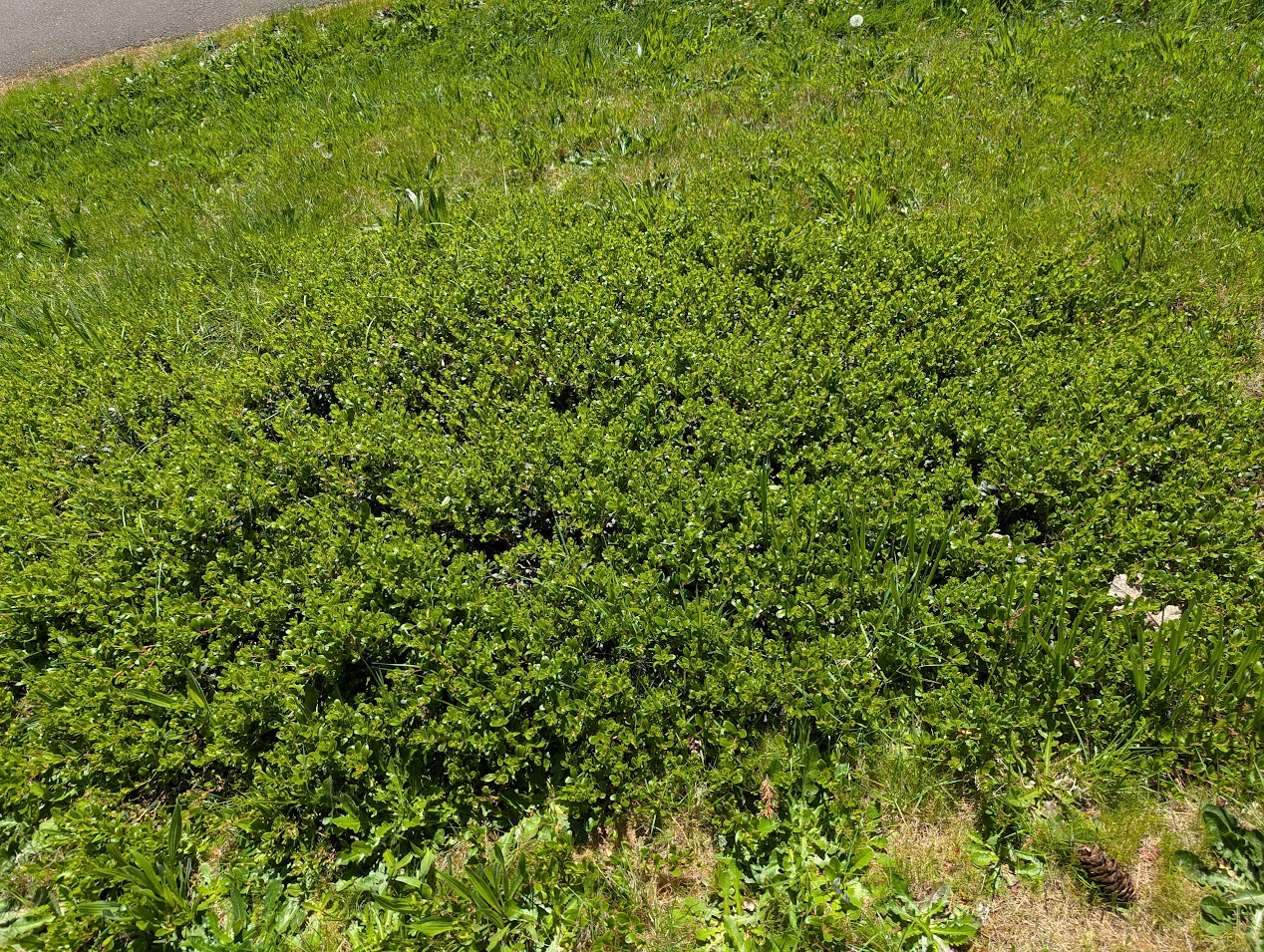
Kinnickinnick – Arctostaphylos uva-ursi. “Bear berry”. This is a common ground cover along commercial buildings in the Pacific Northwest. It blooms with tine red flowers, produces some berries, acts as a weed guard, is drought tolerant, and native. It is fast spreading. This is just one plant that was about 6” wide when Don first dug it up. It now covers an area of about 8×4’, and even the torpedo grass under it struggles to survive. I have read the fruit is edible, boiled, but I leave it for the birds. Native mining bees love the flowers.
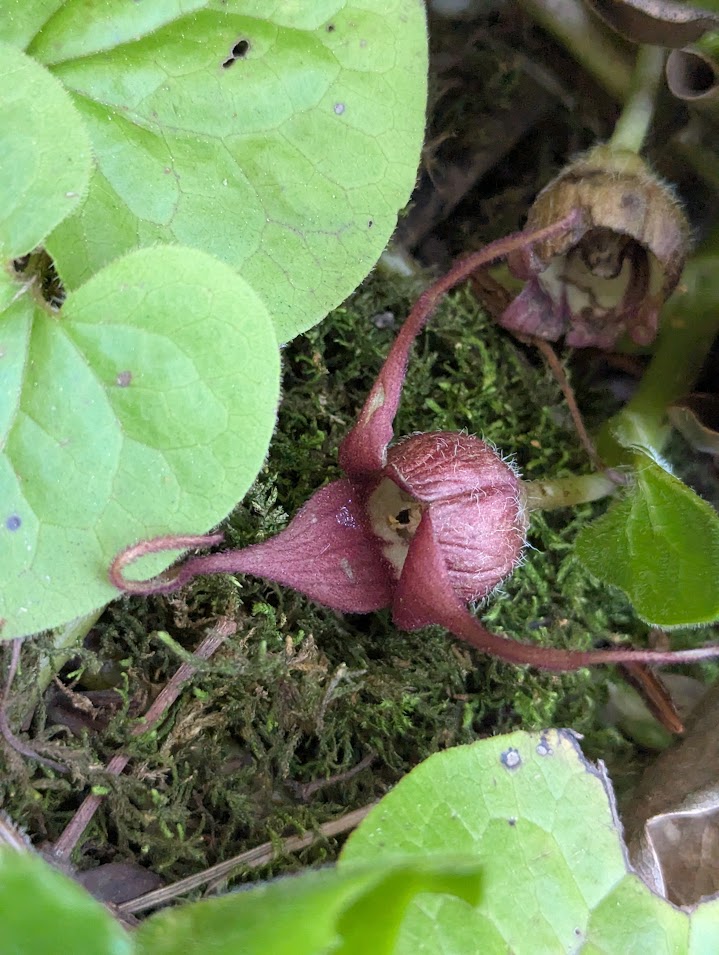
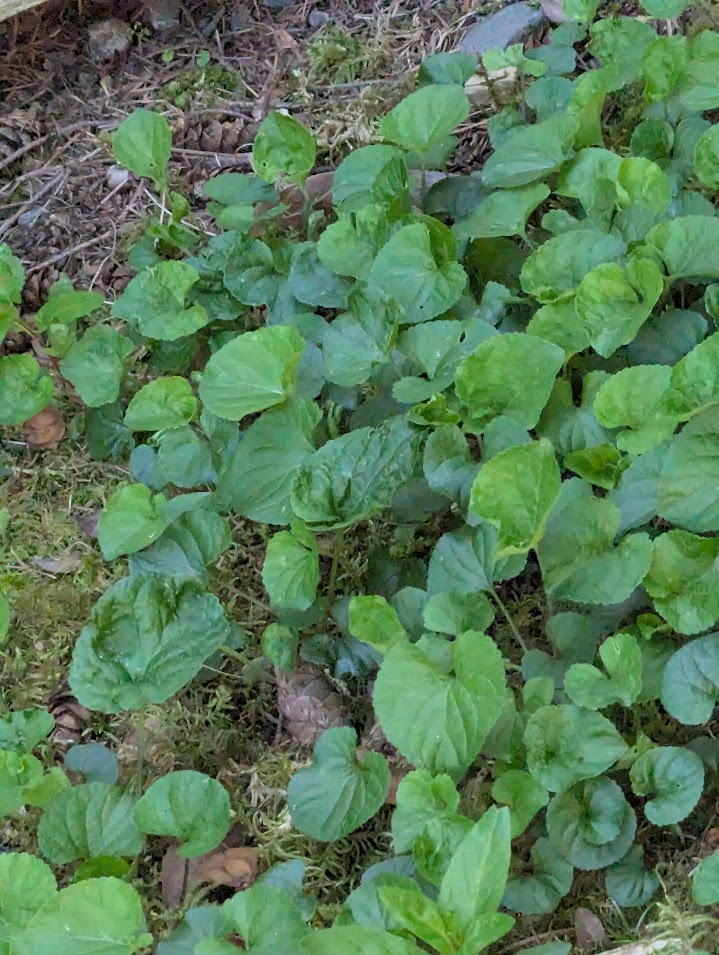
Wild ginger – Asarum canadense L. – This also started as a single clump of ginger roots dug up in the forest. It is not the same as the ginger root one buys in the grocery although the roots are edible. It is a shade plant, loves moist ground, and spreads slowly. Birds, bees, and even a rodent or two love it . The flowers are stunning, but you have to look hard to find them. Evergreen.
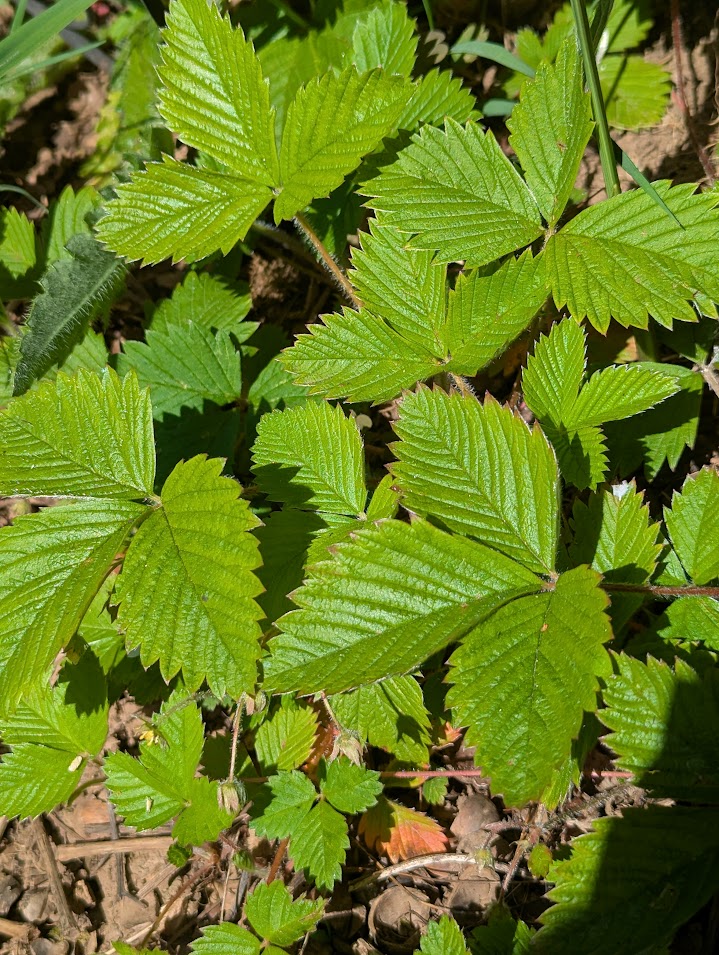
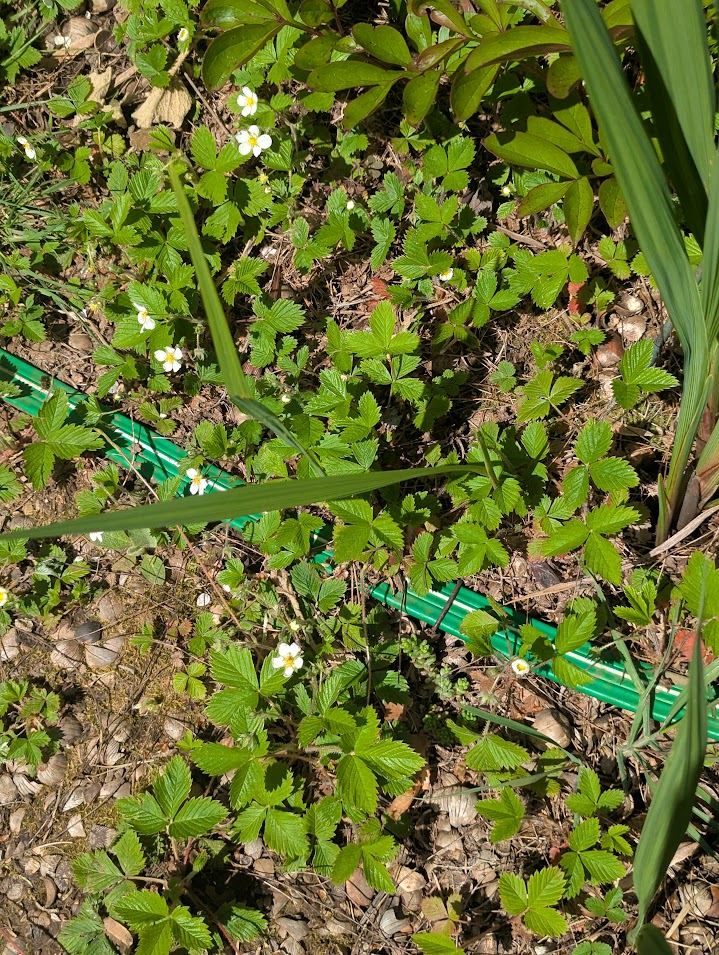
Wild strawberries – This native ground cover is most likely Fragaria vesca, or woodland strawberry. I rarely see the fruit on these as the birds and slugs beat me to them: the fruit is tiny, sweet, and it takes a lot of them to make a meal (usually a pancake breakfast when camping and foraging). They don’t bother other plantings and don’t really keep the ground moist, but they are evergreen, and that counts for a lot as other flowers fade. Fast spreading, easy to control, drought tolerant. Don planted this a long time ago and I wasn’t pleased, but I have grown to be happy with it.
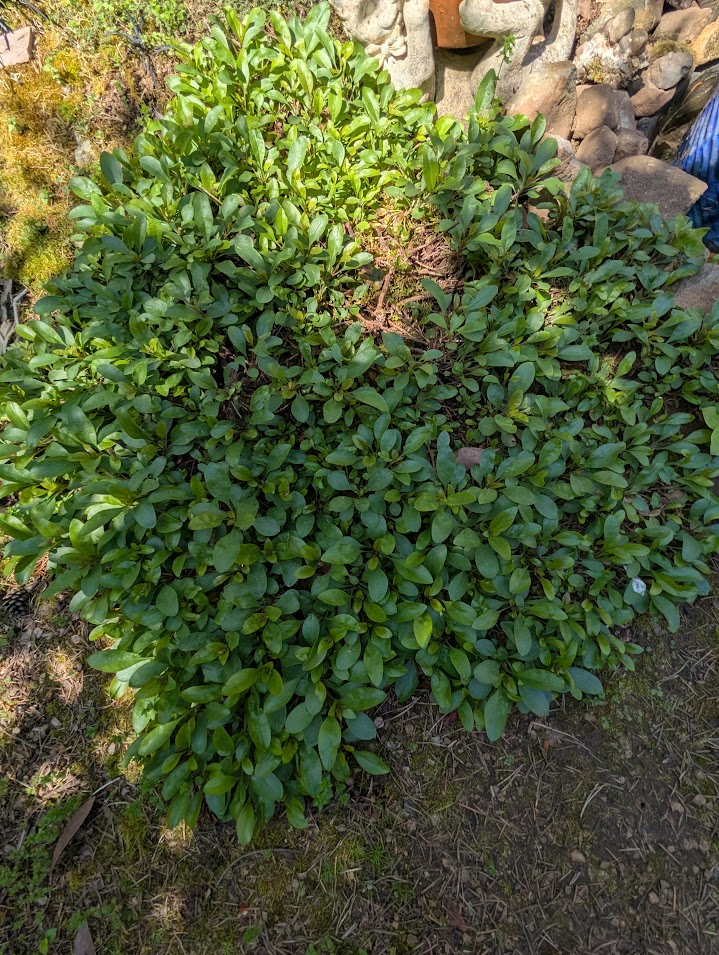
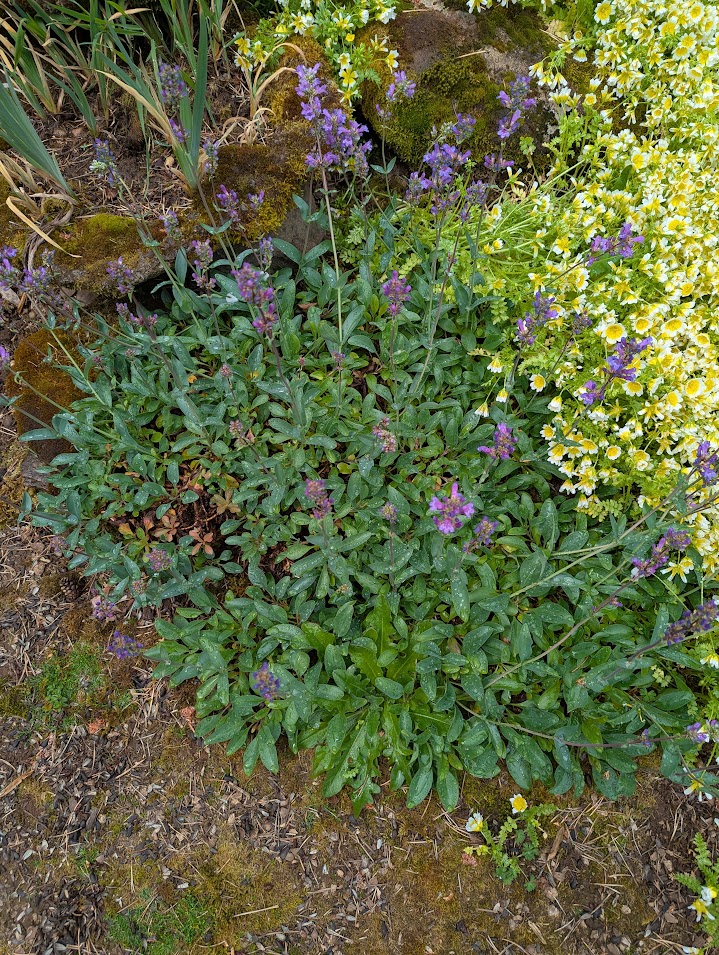
Penstemmon – we have at least three different natives planted in the prayer garden, which also happens to be a rocky slope, perfect for this drought tolerant, slow spreading perennial. We have collected from several areas in the State of Oregon, including the high desert country of eastern and central Oregon, and the alpine country of the Cascades. I’d have to key out which species this one is.
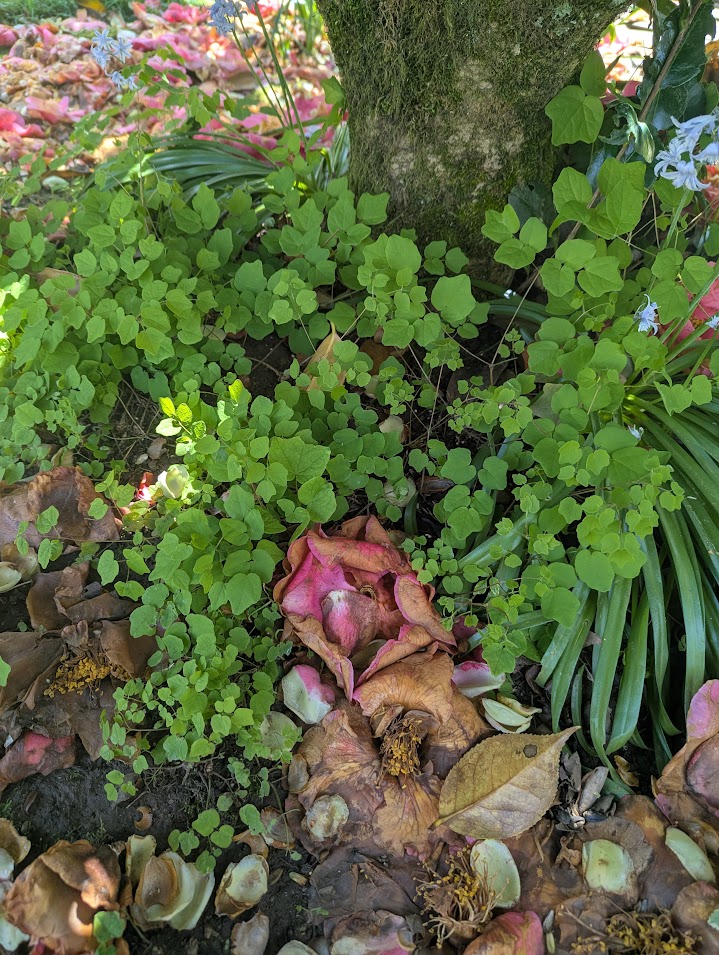
Inside-out flower – Vancouveria hexandra. We bought the first one at Portland Nursery some years back, but have since added more to the yard as hitch hikers with other plants. I can’t begin to tell you how much I love this shade-loving, fast spreading, resilient, and odd flower. I planted it under the Camellia where the only other ground cover was Bishop’s weed. And for years I thought the Bishop’s weed would one day win out, but as I was weeding and raking away old Camellia blossoms this year, I came to the realization that it was the Inside-out flower that was winning the fight for space in the shade.
It disappears in the winter, comes back every spring, and blooms multiple times over the summer. The blooms are tiny, delicate, and inside-out as flowers go: the sepals are bent back, exposing the pistil and stamens.