What follows is a list of six plants that I consider “weeds” but which may not be considered such by other gardeners. Some I allow to grow and spread and some I try to eliminate. My success varies on both accounts.
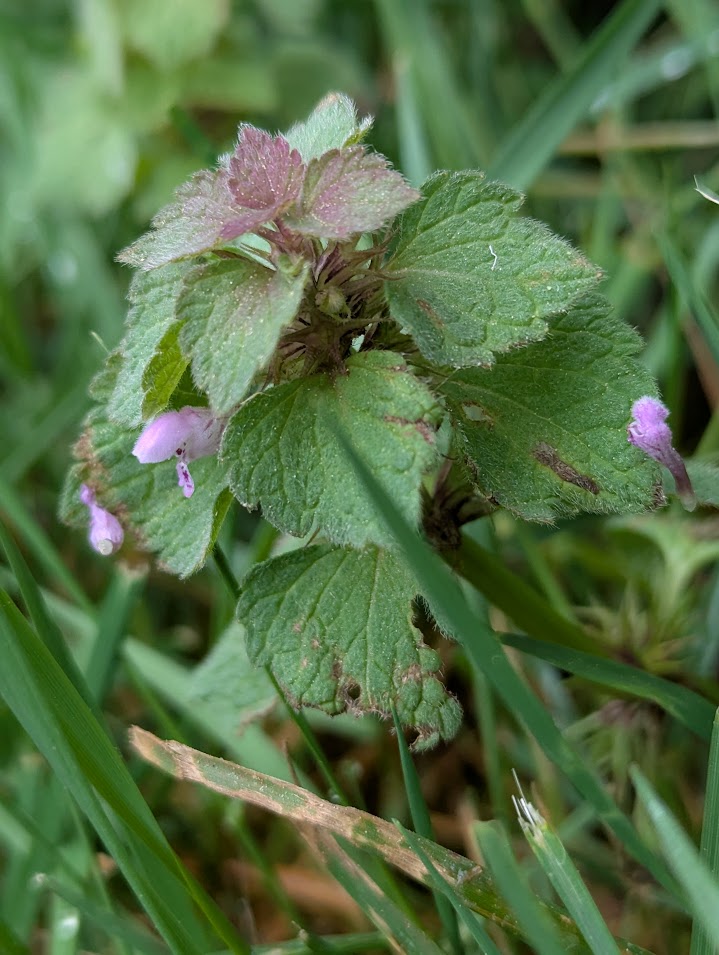
1, Dead Nettle. Lamium pupurpueum. Surprisingly, this common weed is an introduced species and not a native to North America. It is considered “common” which is different from “naturalized” or “invasive”. Just “common”. And common it is. It is one of the first blooms of a season, a favorite among pollinators, and has pretty, tiny, purple flowers. It is an edible herb in the mint family. My husband fights it in the vegetable garden, but it doesn’t seem to grow too much in my flower beds, but hangs out on the edges of the lawn and in the places where little else grows. Shallow root system, so easily pulled. I neither like nor dislike it, so I don’t go out of my way to pull it up but if it is growing where I don’t want it, I pull it.
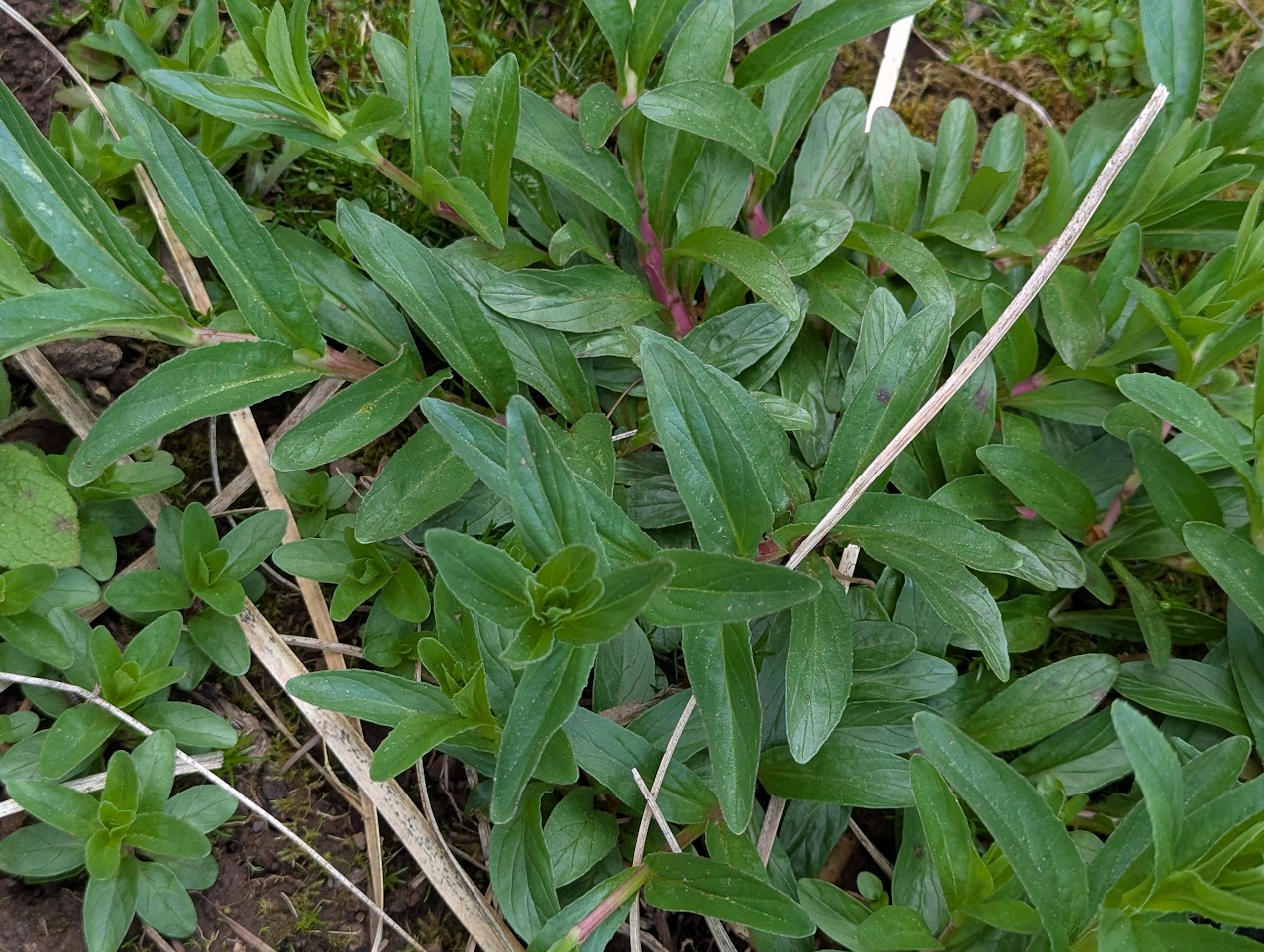
2. Fringed willowherb. Epilobium ciliatum. Another native plant, like the Baby Blue Eyes mentions in my prior post. It has a deep tap root and can be difficult to pull. Tiny pink flowers. It competes with other plants, which is what makes it a “weed” in my eyes, but, then, it is a native plant to the Pacific Northwest. I’d love to leave it but it seems to be taking over my (native) false Solomon’s seal (feathery false lily of the valley, plumed spikenard, Maianthemum racemosum). It is a conundrum.
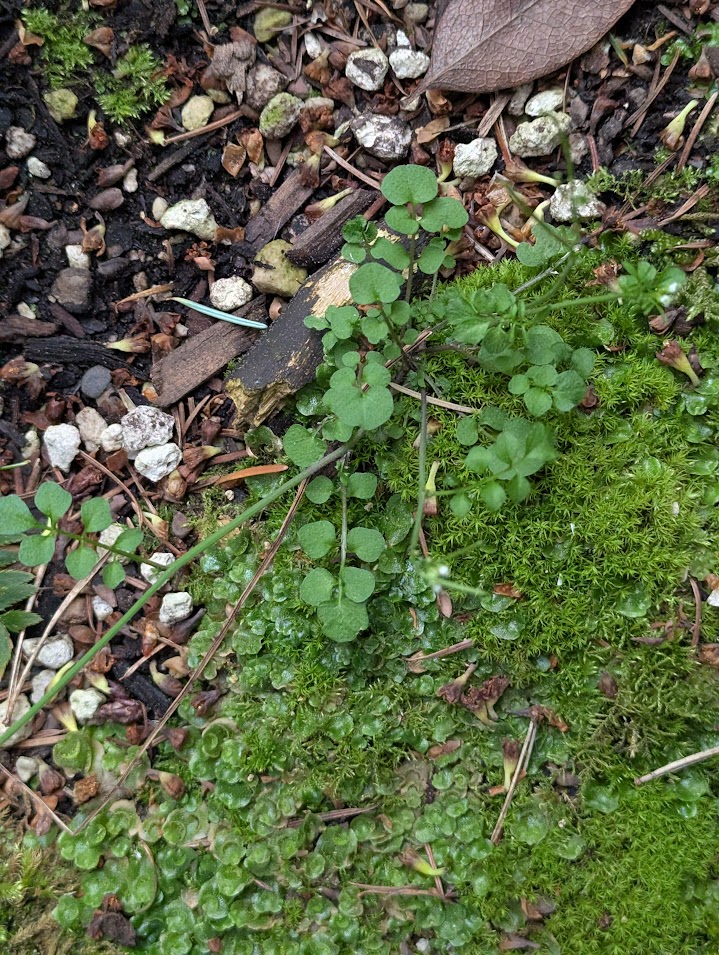
3. Hairy bittercress. Cardamine hirusta. This is an introduced pot herb and a favorite of butterflies. Pull it! Pull it before it seeds and those seeds shoot out like tiny missiles. I put this one in the same class as chickweed (not pictured). Early bloomer, bees love it, then it goes to see and you’ll find yourself being fired upon by missiles the size of sand that aim mostly for your eyes. I rarely get to it before it seeds because it grows, flowers, and matures before the rain stops in the spring. Ditto chickweed. Both weeds have medicinal uses, but I just try to pull them. Very shallow root system but those flying seeds are nasty.
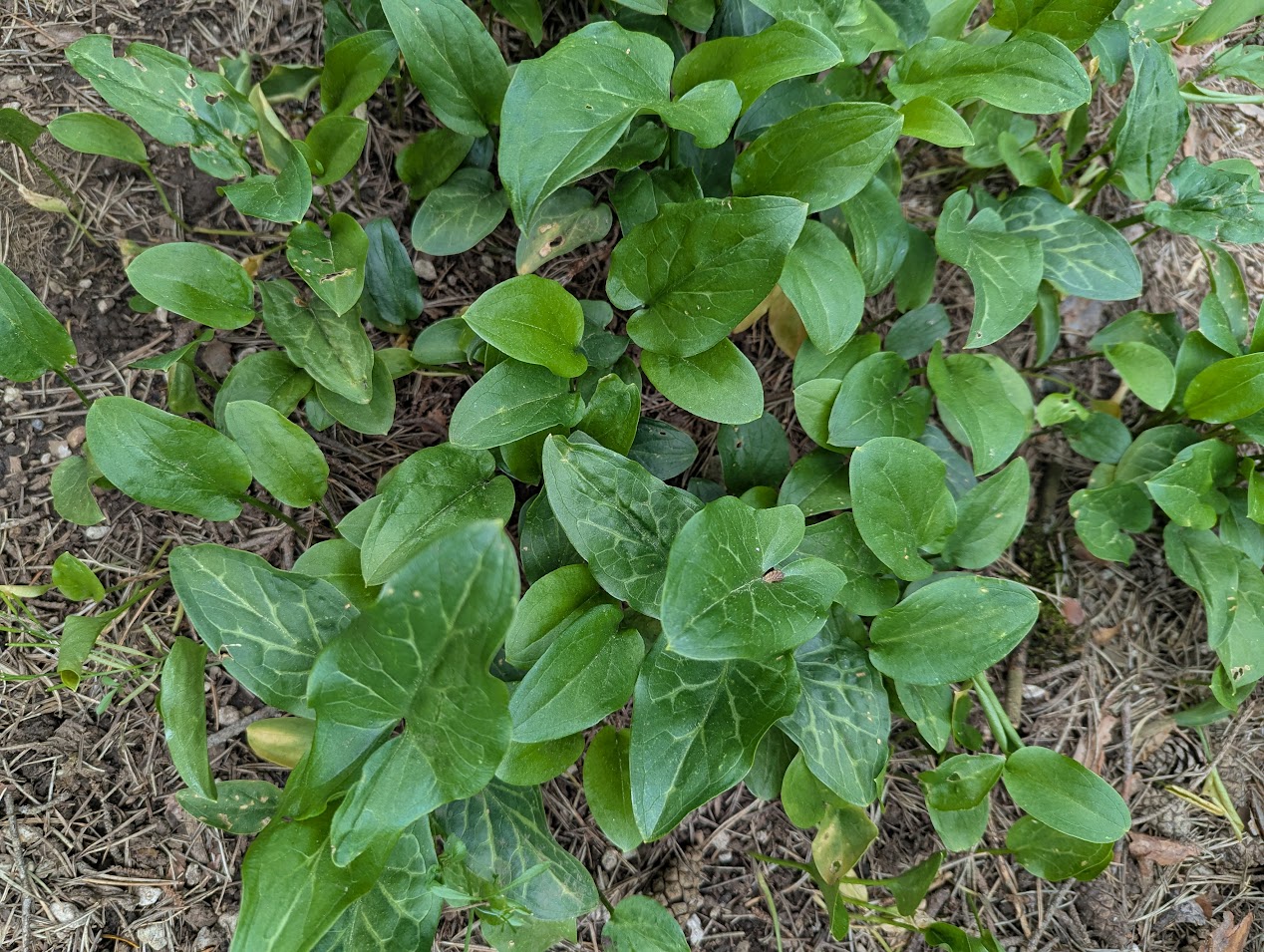
4.Italian arum. Arumitalicum. This is nasty, nasty, nasty. Highly invasive. Very toxic. Only use gloves to handle. It is everywhere, literally. It is an arum, the bulbs are deep in the ground, and the only way to eradicate it is to dig them out and throw they in the garbage. I am losing the battle. The flowers are pretty and so are the red berries. I have them relegated to one area of the garden right now and when I find them elsewhere, I try to deprive them of sustenance by pulling up all of the green (with gloved hands). Digging just seems to spread the bulbs, like digging grape hyacinth or daffodils does. You just get more.
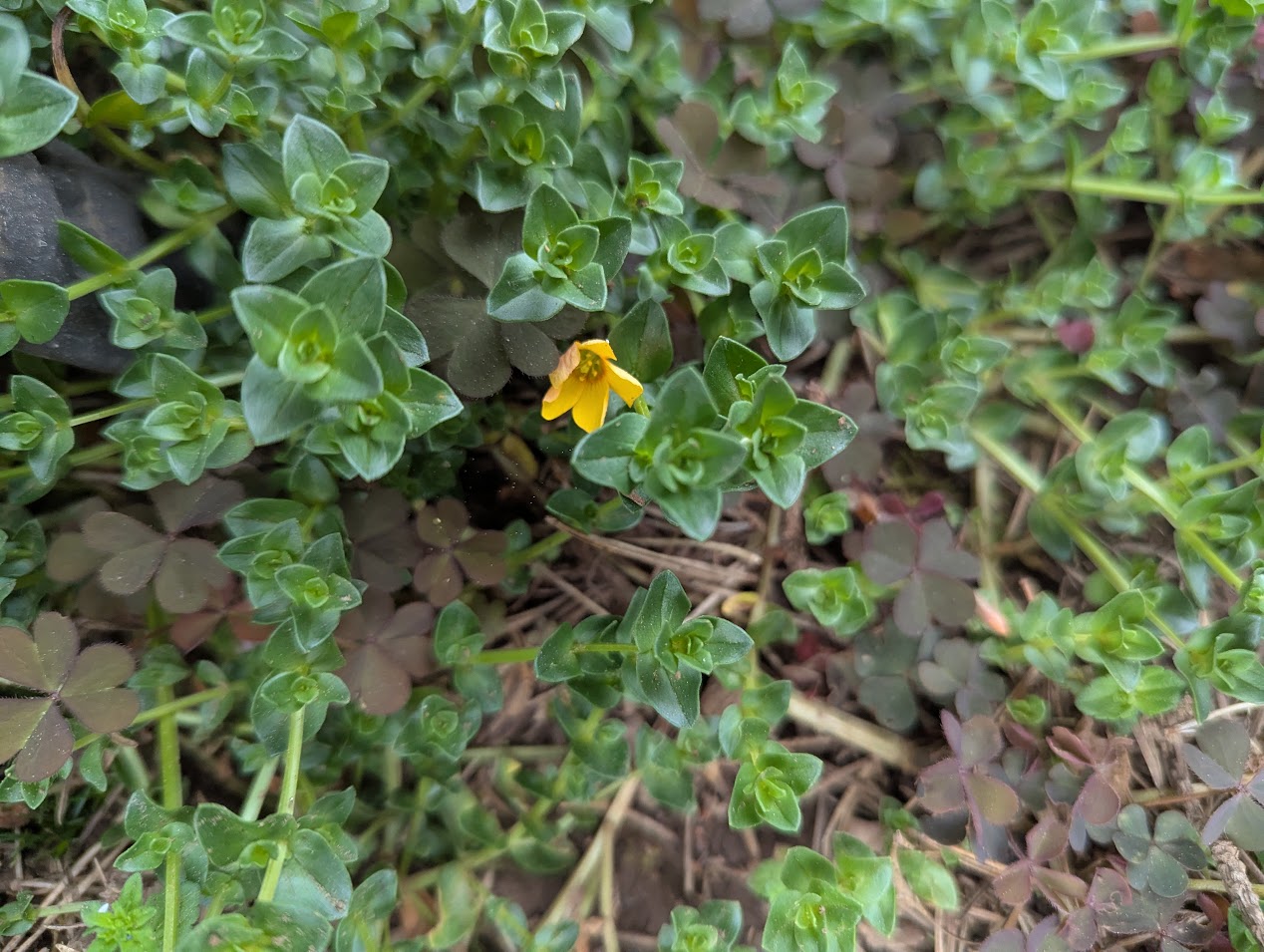
5.Scarlet pimpernel. Lysimachia arvensis. Toxic in pastures but most livestock won’t touch it unless there’s little else to eat. Pretty orange flowers, a wide spread of greenery, a lovely (but invasive) groundcover. I’m torn with this one. It is ornamental. I don’t have livestock. Birds planted it in the yard. It doesn’t seem to compete with other plants so I am leaving it (for now). It is considered invasive in Oregon, so I may have to rethink that.
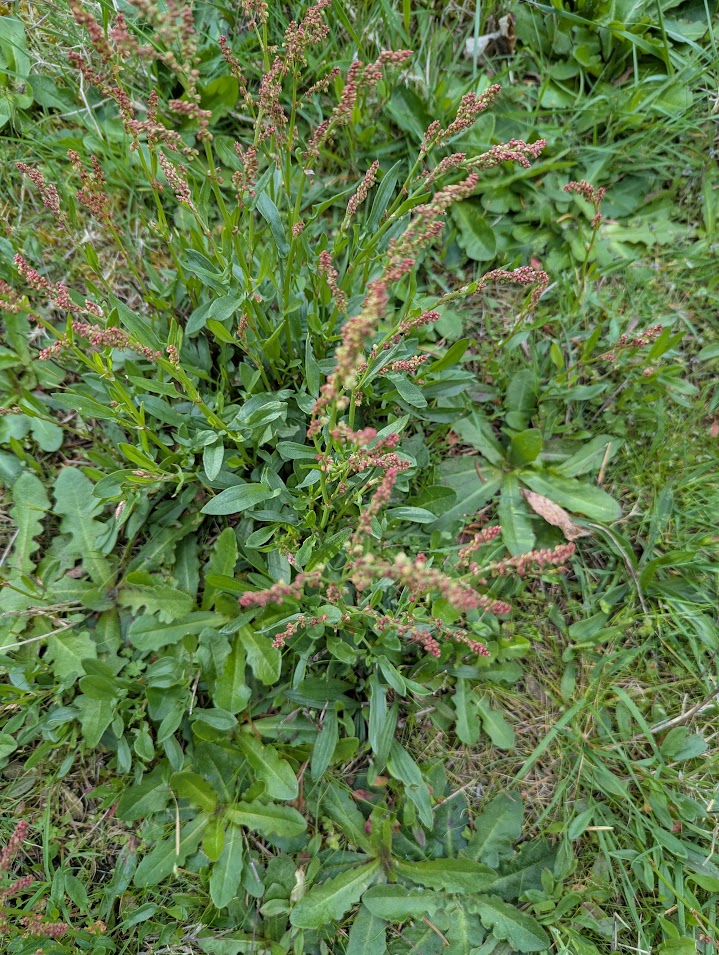
6.Sheep sorrel. Rumex acetosella. I grew up calling it “sorrel”, no “sheep” added. Also known as red sorrel, field sorrel, sourweed. Edible in small amounts, Considered invasive, certainly is common. Usually, it stays to the front yard but I pull it in all flower beds. I do love the tiny red flowers, but not enough to continue to let it take over flower beds. It can hang out in that front weed patch the makes our neighbors ashamed to know us (we call it our “pollinator habitat” and my husband mows it once the grasses get tall enough).
It is slow progress turning a lawn into a flower patch. I tossed out clover seed early this spring, hoping to change the area to a red-and-white clover field, but the darn things didn’t germinate. Eventually, that is the plan: eliminate the noxious weeds and the grass by growing something better: we currently have kinnikinnick covering a large portion and I’ve carved out some flower beds, but the most visible portion remains a huge weed patch. We have real lawn in the backyard.


Leave a Reply