Feeds:
Posts
Comments

In 2014, I had the pleasure and privilege to visit several cemeteries on the East Coast. My son lived in Fayetteville, North Carolina, at the time and I wanted to visit Bonaventure Cemetery because it was featured in some novel we passed around at work and I was fascinated. Since we were in Savannah, Georgia, we also visited the downtown area where the Colonial Park Cemetery is located. After I left my son’s family, I traveled to Richmond, Virginia, where I met up with two friends and we toured Oakwood Cemetery.

Bonaventure Cemetery lived up to the hype: it truly is a beautiful place. There are tombs, crypts, statues, and ever so much more. I took a lot of photographs with my DSLR and held the hands of my grandchildren as they wondered at all the headstones, crosses, and more. Over 500 Confederate dead rest there including some notable officers. A lot of war dead, period: we temporarily lost my son when he wandered into the World War dead section.

Colonial Park was a surprise and a bonus with its above-ground crypts. It was closed to burials before the Civil War but many heroes of the American Revolution are interred there.

Oakwood in Richmond has the richest Civil war history. One of my friends is a genealogist whose family fought on the Confederate side of the conflict (mine fought opposite hers). It is a pretty cemetery overlooking the James River, but it is also an oppressive place: the sheer numbers of men who lost their lives in that bloody conflict between the states is overwhelming, and I feel there’s a spiritual heaviness that comes with that kind of sacrifice.

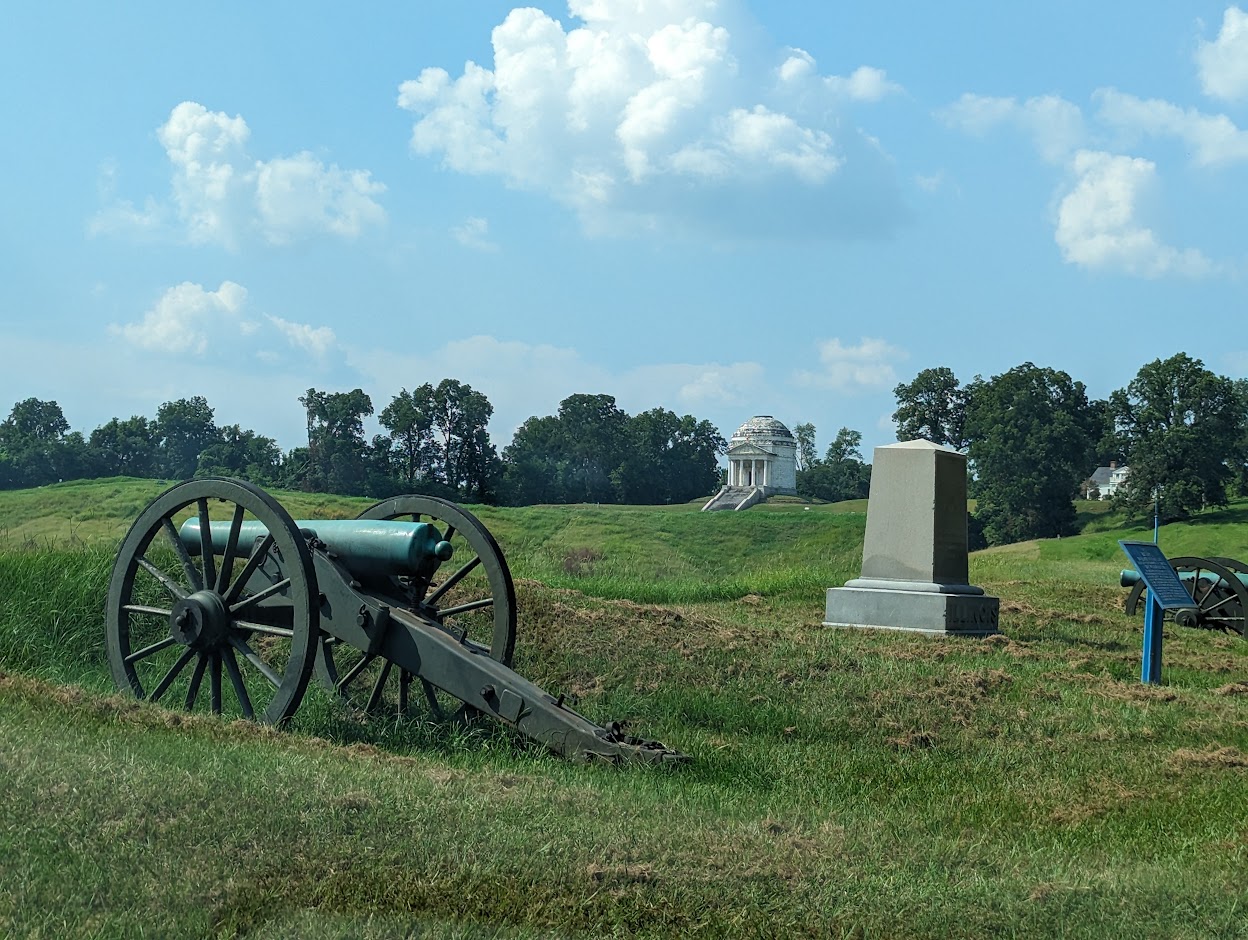
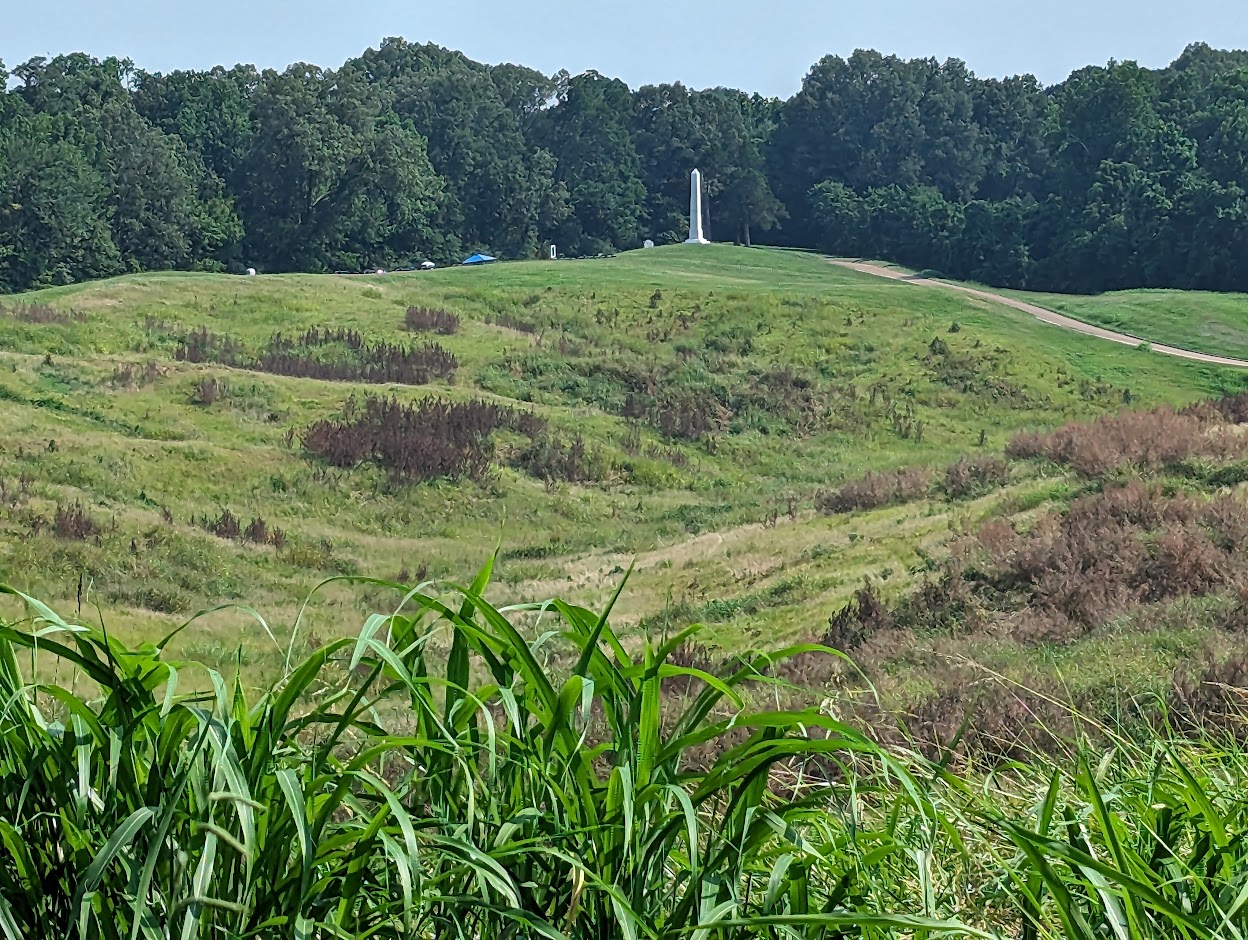
It is hard for me to verbalize what I sense when I read about or visit a Civil war memorial, a cemetery, or just rote history. In 2023, my brother and I drove across the country (he drove, I bummed a ride with). One of our stops was the Vicksburg National Military Park. The trenches between North and South were so close together that you could well imagine the words of one of my ancestors in a letter to his mother:

Camp near Vicksburg, June 23, 1863

“We have a new battery, five light 12-pounders and one 10 pound parrot gun. They will carry further than our old battery; our men are at work making approaches. They are within a few feet of the enemy’s ditch in several spaces, but there has got to be a parallel ditch dug to hold many men before they can storm it. Our pickets are in one ditch while theirs are in another. They used to talk a great deal, but that has been forbidden, so they write on pieces of paper and pass backward and forward. One of our boys threw over a part of a loaf of bread and they threw back a biscuit. You can talk to them quite easy from the guns where Thomas stays, when they are on their breastworks. ~ Willard Wilcox”*

I did not recall at the time that letter was written from the very same site where Terry and I stood in 2023, 160 years and one month later, but you could feel the tension and almost hear the cannons and smell the blood.  It was an eerie place, not in the sense that it was frightening, threatening, or even scary, but you could feel the death still hanging in the air. The air was heavy and we didn’t breathe easily until we were back on the road and away from that pivotal and bloody battle site. I write this to explain ahead of time: writing about the American Civil War is a truly heavy undertaking and I have forty pages of that history as it relates to the Wilcox sons of Sarah Lord Wilcox.

*Willard was the brother of my great-great grandfather, William Orson Wilcox.

I have some typed family history notes written by Alice Barnard.

Alice gives her relationship in her “Sketch of … Three generations”. She was the daughter of Miranda Wilcox, sister of William Orson Wilcox. Miranda and William Orson were among the seven children of William Wilcox and Sarah Lord.

Captain Thomas Wilcox and Abigail Shipman begin the narrative, although the author (Alice) is unsure is he served in the American Revolution or not I have more digging to do there, but I will sort it out. Eventually. I do know, by Alice’s account, that his heart gave out and Abigail died of consumption, having smoked most of her life. Alice write of how her mother, Miranda, would like Abigail’s pipe in her dotage.  Thomas and Abigail were the parents of William who was the father of Miranda and William Orson.

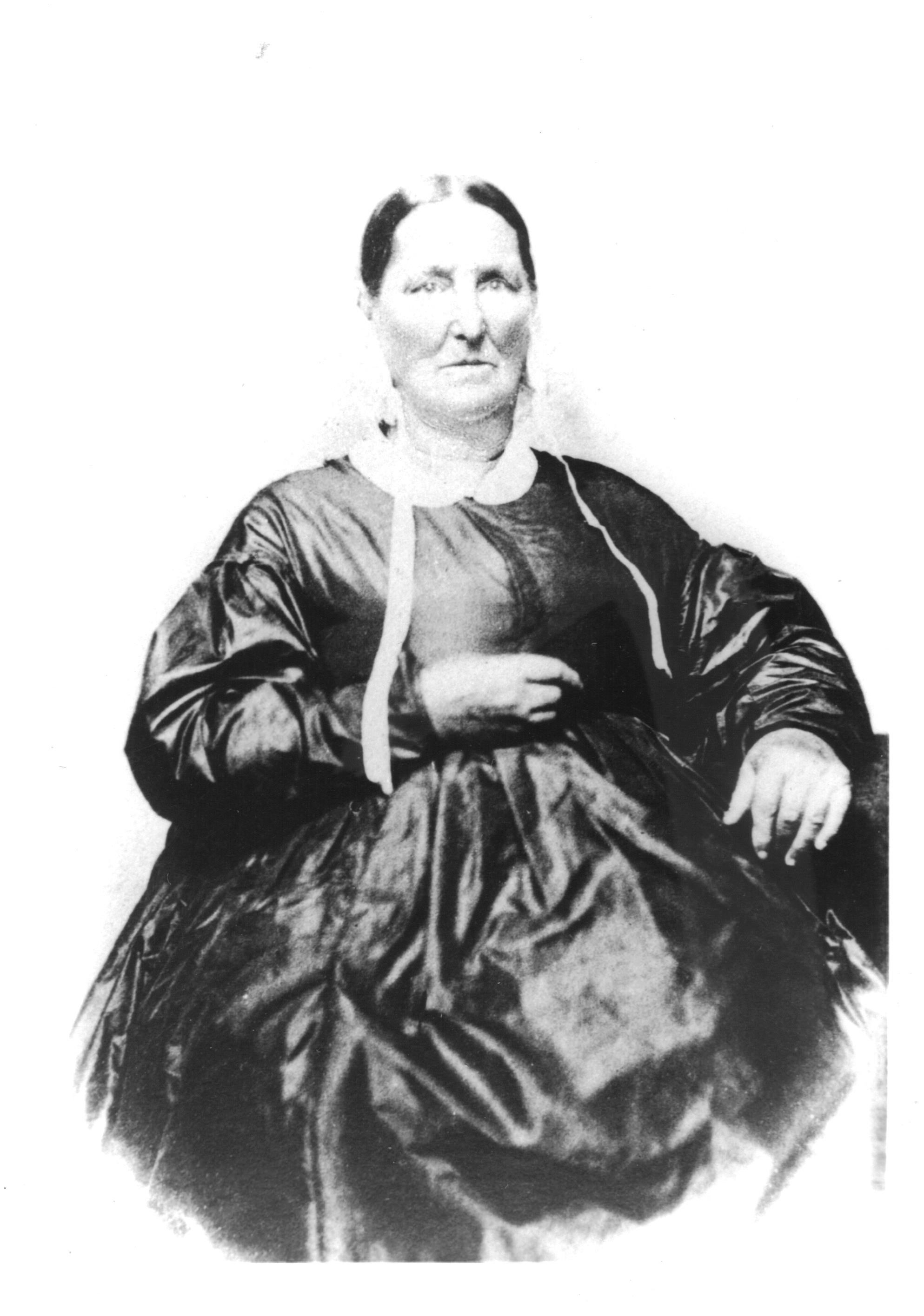
William emigrated from the East Coast to Illinois by wagon in 1844. His wife, Sarah, was an accomplished weaver. Sadly, William died within the year, leaving Sarah to raise seven children in a new territory with no friends or relatives. She must have done a stellar job because her photograph has been passed down generations and she’s always listed in the family tree as Sarah Lord.

William and Sarah’s children were: John, Jerusha, Thomas, Miranda, William Orson, Willard, Wilbur. And Mary L. Someone like the name “Will”… a lot!

Alice wrote her “sketch” in 1929 at the age of 75, so some of her memories were dim. She did not marry, so I have no cousins along her line, but she had siblings: William Wilcox Barnard, Emma Barnard (m. George Graham), and Mary E. Barnard (m. Edward G. Howe). Alice’s father was William Barnard (1821-1900). Alice’s Aunt Mary Wilcox married Erastus A. Barnard but their only listed descendant, Amy, died at the age of 20 in 1888.

Sarah Lord

Most of Alice’s memories center around Sarah Lord Wilcox. Sarah was one of many children but was apparently raised by her childless aunt, along with a brother, Levy. When her husband died, she lost nearly everything to his brother, Willard. She then took in boarders while her sons hunted for sustenance. They also kept sheep and farmed. Sarah had a stroke at the age of 65 but lived another 20 years.

Alice was my second cousin once removed: my great-grandfather’s first cousin. The paper I have (a copy) was in a letter to my great grandfather, John T. Wilcox, son of William Orson.

I had hoped to have a neat and orderly history of the Melroses all the way back to King Robert II of Scotland, but it was not to be. It got quite convoluted, in fact. Confusing. I think I have it all worked out now, but it is not the ancestry tree my cousin sent me. His data was downloaded from a reputable ancestry site but I’m the sort of person who has to see it for herself, so I tried to follow the same paths (or branches) and I ended up in a squirrel drey around the 15th Century.

A squirrel drey is a squirrel nest of broken twigs and short branches, usually high up in a tree. Like a similar nest of a crow or magpie, it is a bit of a mess. And that’s where I stopped right before Christmas. I wanted to shout, “I can’t figure this out!”

I made it back to our 13th great grandmother, Margaret Fraser (née Hay). Margaret was born in 1453 and died in (or around) 1500. She was married three times: Alexander Fraser of Philorth; Sir Gilbert Keith of Inverugie; Robert Douglas of Lochleven. Alexander Fraser is our ancestor.

The problem was (is) with Margaret’s mother according to the tree my cousin sent me: Lady Janet Elizabeth Douglass, 1425-1490. Lady Janet was supposedly the daughter of Lady Elizabeth Catherine Stewart, 1362-1446. By those dates, Lady Elizabeth Catherine was 63 yeas old when she gave birth to Janet Elizabeth. My brain just refuses to make that leap of faith, especially not in the 15th Century. Either we’re missing a link between the two women, or God granted a miracle of Abraham and Sarah level to the Stewarts of Scotland in 1425.

I removed Lady Elizabeth from my search to see if I could straighten out the squirrel’s nest.

I found a lot of those “hints” from other people’s research, but I kept coming up with the wrong husband (no one by the surname of Hay married to a Lady Janet Douglas) or those pesky birthdates were way off kilter. Example: “father” James 1st Earl of Morton Douglas, born in 1426. Hm: father at the age of 1? That’s unlikely.

What I kept coming up with was a William Hay as Margaret’s father. Now, hold that thought.

Getting as far back in time as Margaret was a fascinating venture. Sir Alexander was the son of Lord William Fraser (1473-1513)( Nov 13 1513 – Flodden Field Near Branxton, Northumberland, England) and Elizabeth Keith.

Flodden Field was a bloody battle that resulted in the death of the Monarch of Scotland dying in battle, King James IV. It was part of the War of the League of Cambrai and was a decisive loss for Scotland. History shows it as happening on the 9th of September 1513, but William’s death is recorded two months later. I will assume, for now, that he died as a result of his injuries but since it was two months after the battle, he is not listed among the nobles who died there.

However, there’s a William Hay, 4th Earl of Errol, listed as having given his life’s blood at Flodden Field and his name sparked a little research into the William Hay who is possibly Margaret’s father. What I learned through a variety of websites was that the First Earl of Errol, William Hay, married Beatrice (Beatrix) Douglas. Not Janet. William and Beatrice had 7 children, including the 2nd earl of Errol, Nicholas, and the 3rd Earl of Errol, William. Nicholas died in 1470 and William subsequently inherited the title. The youngest child was Lady Margaret Hay, married three times (Wikipedia).

The William Hay who died at Flodden Field was her nephew.

The key to this research is that Margaret’s father, William, was the grandson of Princess Elizabeth Stewart, second daughter of King Robert II of Scotland.

I still need to fill in the gap between grandmother and grandson, but the connection is there: we are related distantly to King Robert II of Scotland. And I learned a lot about the west coast of Scotland and how it relates to my paternal grandfather’s family tree. I also learned about the largest battle (in terms of troop numbers) in Scottish history and the devastating effect it had on Scottish nobility.  

Wilcox Side of Things

I paused my research on my maternal side of the family to scan photos and documents from the paternal side. My father took the time to identify and label most of the photos and that has been a great help, but there are still a few unknowns waiting to be identified.

Speaking of identifying things: Dad identified more with his mother’s family than he did with his father’s family line. He told us how he was Irish, and he could even remember a few words of Gaelic when he was younger.  Sadly, the knowledge I have of his family ends with the first emigrant to America who sailed from Northern Ireland and who was Presbyterian by faith. My own DNA registers no Irish ancestors, but tracing ancestry by DNA is only as good as the pool of people (relatives) who also have their DNA tested.

I have a lead that might be my Irish ancestors, but it bears more research. If it pans out, they were originally from south Ireland and migrated to the north, possibly due to religious differences (again, the family was Presbyterian, not Catholic). Traditionally, Northern Ireland is Protestant and Ireland is Catholic. Orange vs. Green despite both colors being in the national flag.

Whatever the differences, the Cusick (possibly Cusack misspelled at some point in time) side of the family identified as Irish Nationals who emigrated across the Pond.

John Timothy Wilcox I

Dad’s immediate family was riddled with tragedy and not a little bit of mystery. He was a Wilcox, descendant of John Timothy Wilcox I. JT as I believe he was known, had several siblings but I never heard a whisper of cousins on that side of the family until I got into genealogy. As far as I knew, JT was an only child (he wasn’t). JT married Azema Kimmey and they had two children: Fred Orson “Fritz” and Mary Elizabeth. The latter died within a year or two of her birth.

FO “Fritz” Wilcox

Fritz, or Gramps as I knew him, was married three times. There may have been some affairs in between wives, Dad was never very clear. What Dad was clear on was that he very much resented his father, Fritz. A cousin recently told me why: apparently Fritz would come home drunk and then beat Dad for no reason. I think the marriages after the death of Dad’s mother had some bearing on the estrangement as well. But I am supposing and Dad is gone so I can’t ask him anymore.

Sylvia Cusick Wilcox

Fritz’s first wife was Sylvia Cusick, daughter of the Irish. All the photos I have show a very happy family. Oldest born was Mary Elizabeth (for Fritz’s baby sister) and then John Timothy Wilcox II (Jack, or Dad – to me). Sylvia contracted necrotizing faciitis at the age of 26 and passed away before my father was 2.  Today I am choosing to concentrate on this core family of four; more were added over the years through different marriages.

Mary E. and Jack 1929

Mary was the eldest, always. Dad was next. All the step and half siblings were younger (and are still a part of the family story). They were not a happy family, but they were a family and bonds were formed. Sadly, after Mary married and had her own first child, she was killed in a tragic drunk driving accident. Mary was barely 21 years old. Her death reverberated in my Dad’s heart and he named his third born after her: Mary Denise Wilcox.*

Dad had a half-brother and three step siblings. I have a little of the genealogy of Uncle Mike’s mother (Dad’s half-brother). I knew his step-siblings as Aunt and Uncles, and Gramps’ third wife, Thelma, as my Granny. Gramps and Granny were fixtures in my childhood despite my father’s ambivalence toward his father.

Jack Wilcox, Mary Wilcox, JR Bromley, Peggy Bromley, Mike Wilcox, Dick Bromley (Top to Bottom)

Top-Bottom: Jack Wilcox, Mary Wilcox, JR Bromley, Peggy Bromley, Mike Wilcox, Dick Bromley

*Deni died in 2000 just shy of her 41st birthday, but that is another story. Of note is that she died of necrotizing faciitis.

Who Are They?

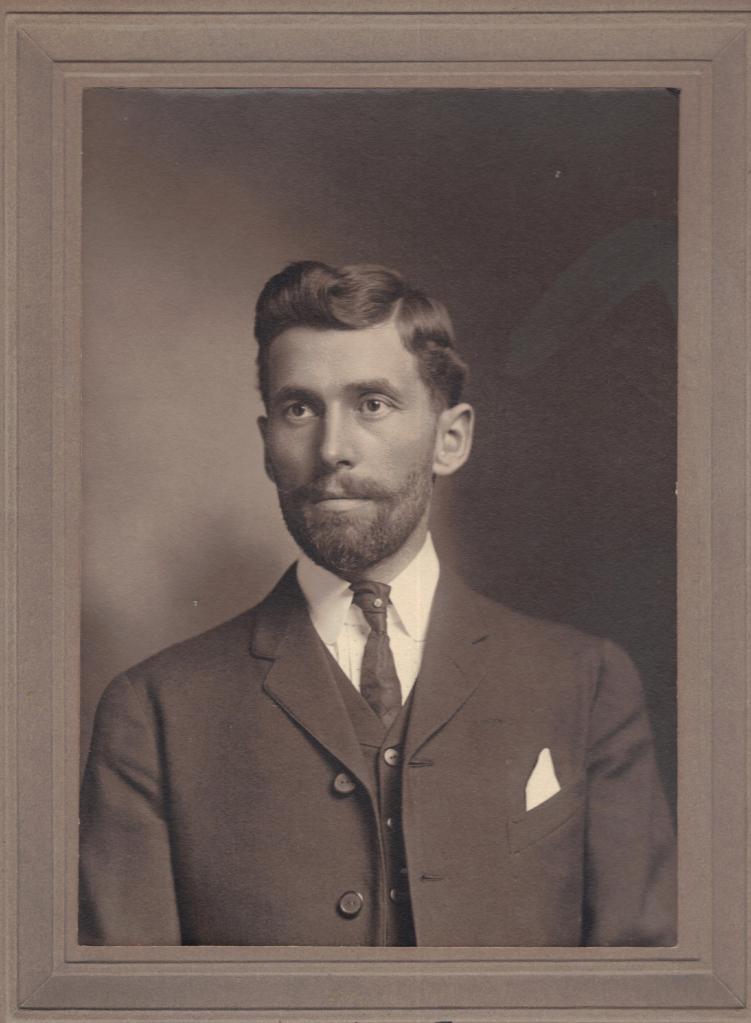
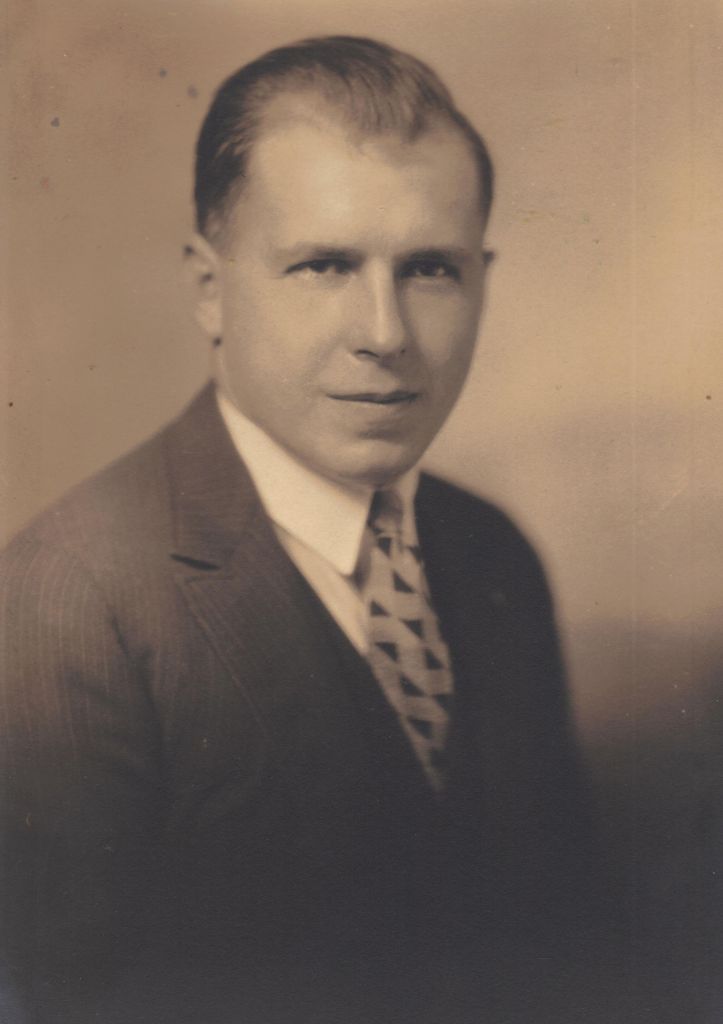
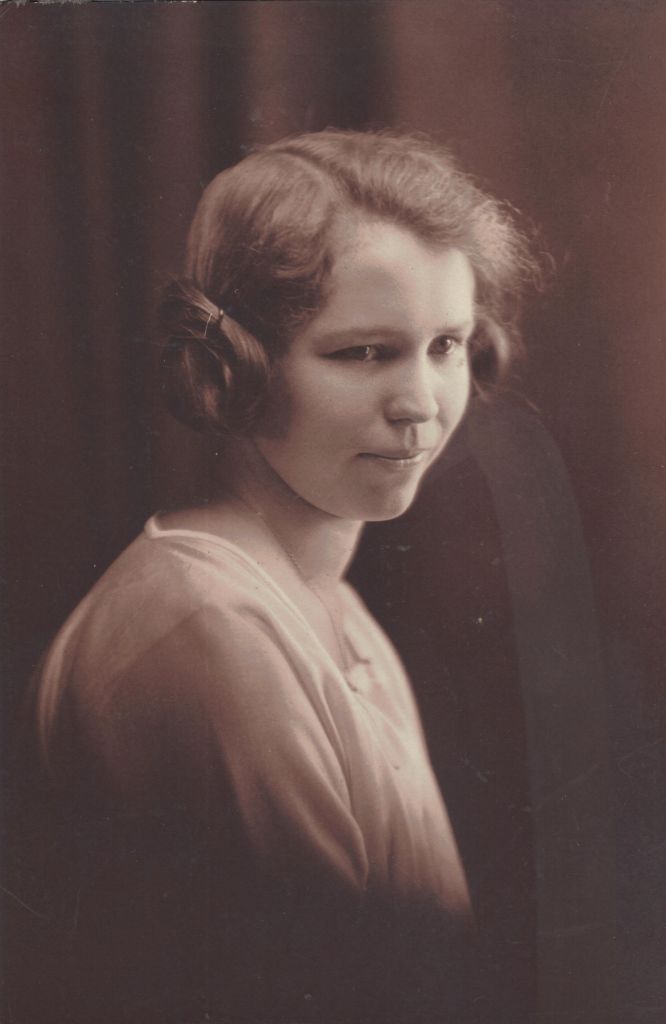
Today’s post is about unlabeled photographs. Please label your photos so people in the future will know who the heck is in the photo.

I think these are from the Wilcox side of family, but they could be on the Melrose. I have no clue. And I’ve held onto these photos most of my adult life. I should have asked my parents while they were still alive. That would have been too simple. I know they are family, but how I know that is now lost to me through the haze of decades.

I probably snagged them when the Wilcox family heirs were busy tossing all the old family photo albums and my sister, my cousin, and I sat and saved photos, mostly of ourselves but also of some ancestors. My cousin, Reisa, my age, kept all the embarrassing photos of me and I, likewise, kept all the embarrassing ones of her. My sister got whatever we two didn’t want being younger than the pair of us older bullies.

The family was a disaster: my father and his sister’s daughter, Dad’s half-brother, and two step siblings all vying over the paltry belongings of Gramps and Granny. It was chaos and sometimes it was downright ugly. Dad’s sister died young and her sole heir was her daughter. One step sibling never made it to the chaos, but the other two brought their spouses. They even argued over the sheets. THE SHEETS.

But they threw away the old photo albums.

Luckily, we three teenage girls were on the scene to filter through the albums and rescue some of the history. And, for the most part, the photos I walked away with were labeled with names and dates.

Then, there are these two. If they are Wilcox family at all, and not on the Melrose side of things.

A battered sepia-tone of girls, apparently twins(?).

And this beauty in a stylish hat.

The embossed seal in the lower right corner is all I have to go on.

The Wilcox side of my story spent a lot of time in Chicago. The Melrose side stayed in Wisconsin, for the most part.

For now, I will set these two aside and hope that I will find clues or an outright answer later on in my research of my ancestry.

Heck, I might even discover the Hiram Walker land deed is from the Wilcox side of things as well.

Another Mystery Treasure

I want to tell you (if you follow me) that I *think* I solved the mystery of the Land Deed to Hiram Walker. Now, I could be wrong, but here goes: instead of a “title search” as we know it today, the way to prove the property being sold actually belonged to the seller was to provide the proper documentation. My ancestors purchased quite a bit of land in Wisconsin and Illinois. I found more than one example of an original deed belonging to some unrelated person(s) followed by a deed of the same plot to my ancestor. It’s a theory and I don’t have any further documents showing the land in Illinois belonging to Mr. Walker was ever deeded over to a Melrose, I am hanging onto my theory as “entirely plausible”. At least, until it is proven otherwise.

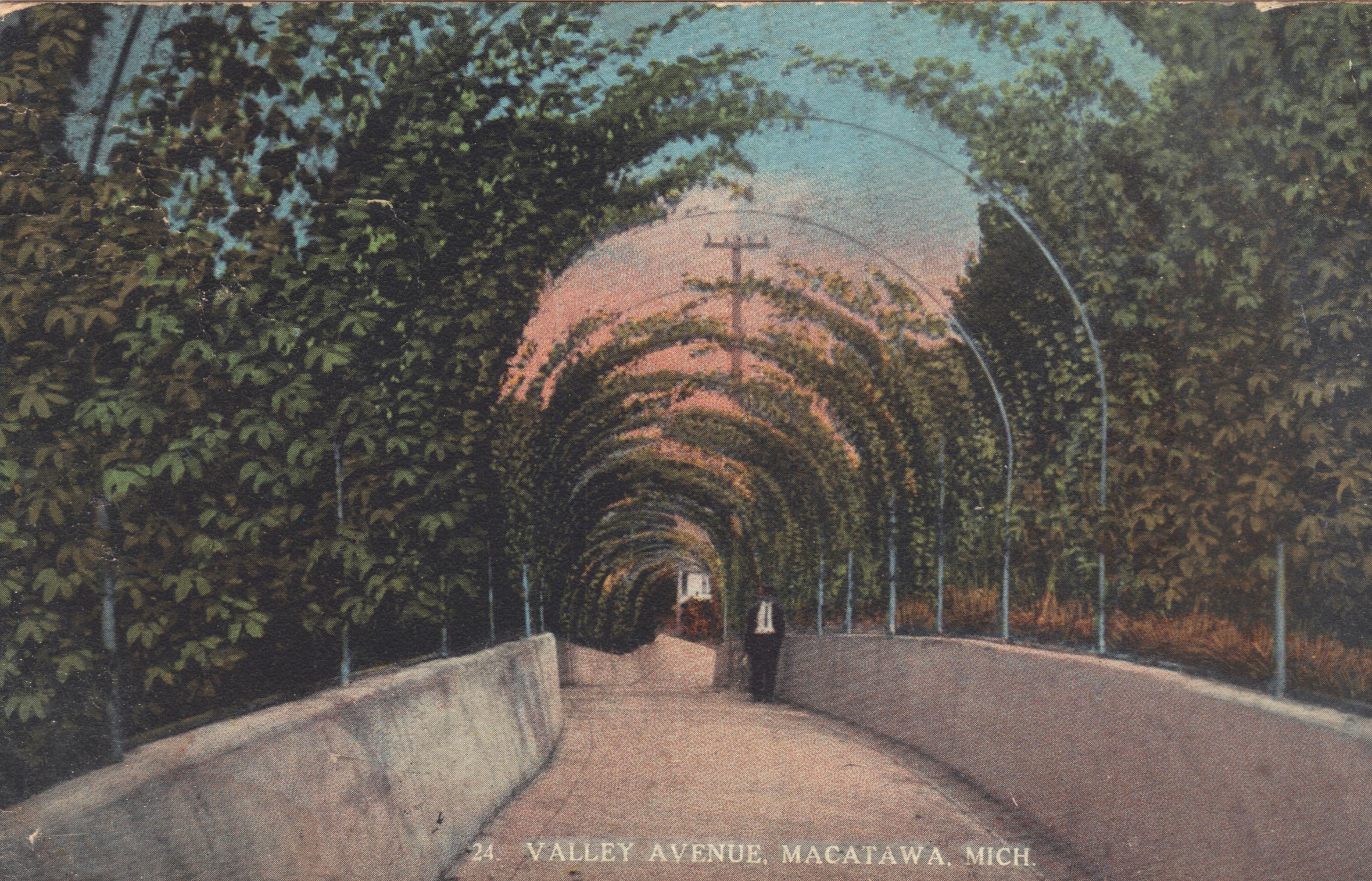
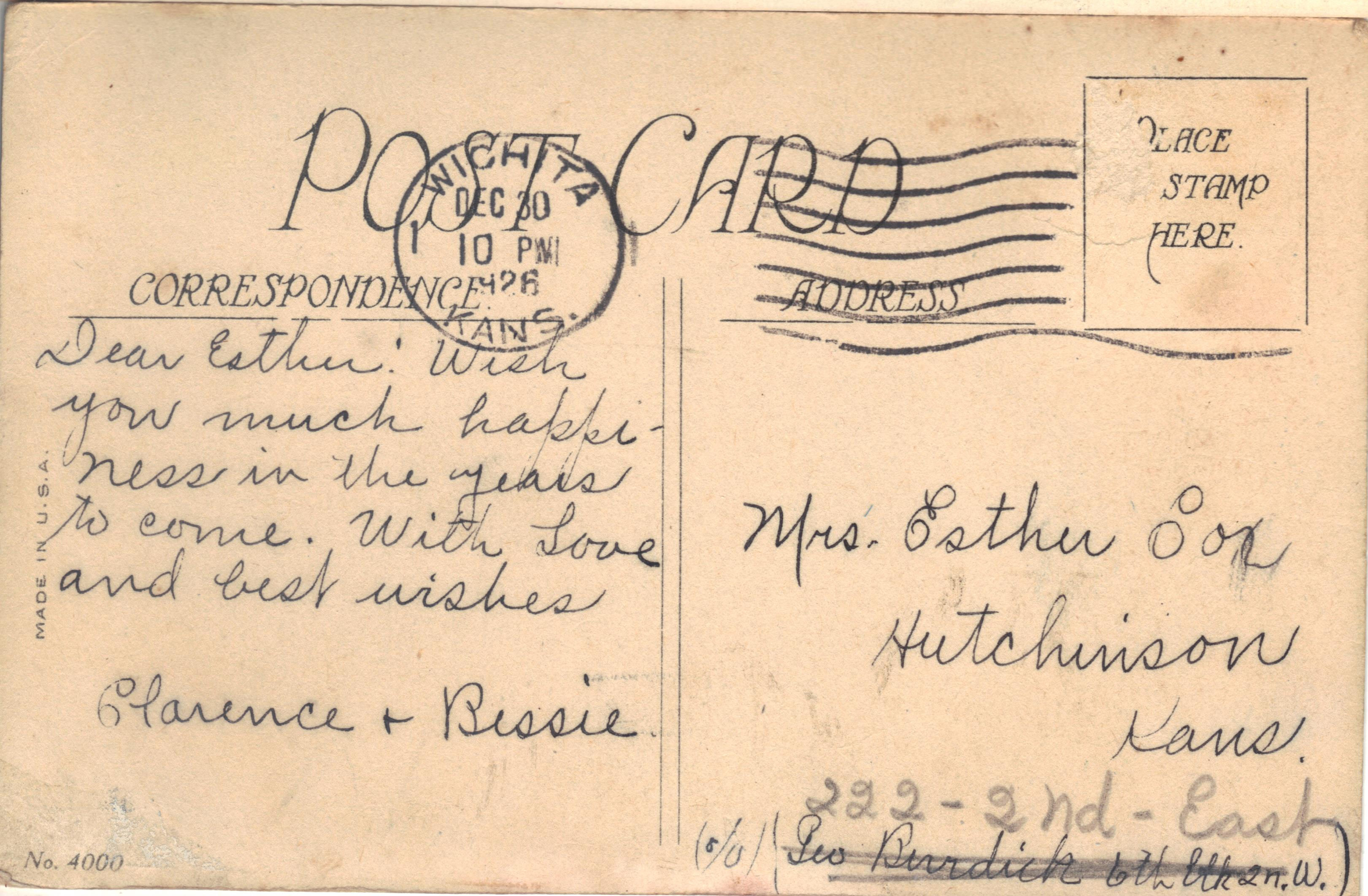
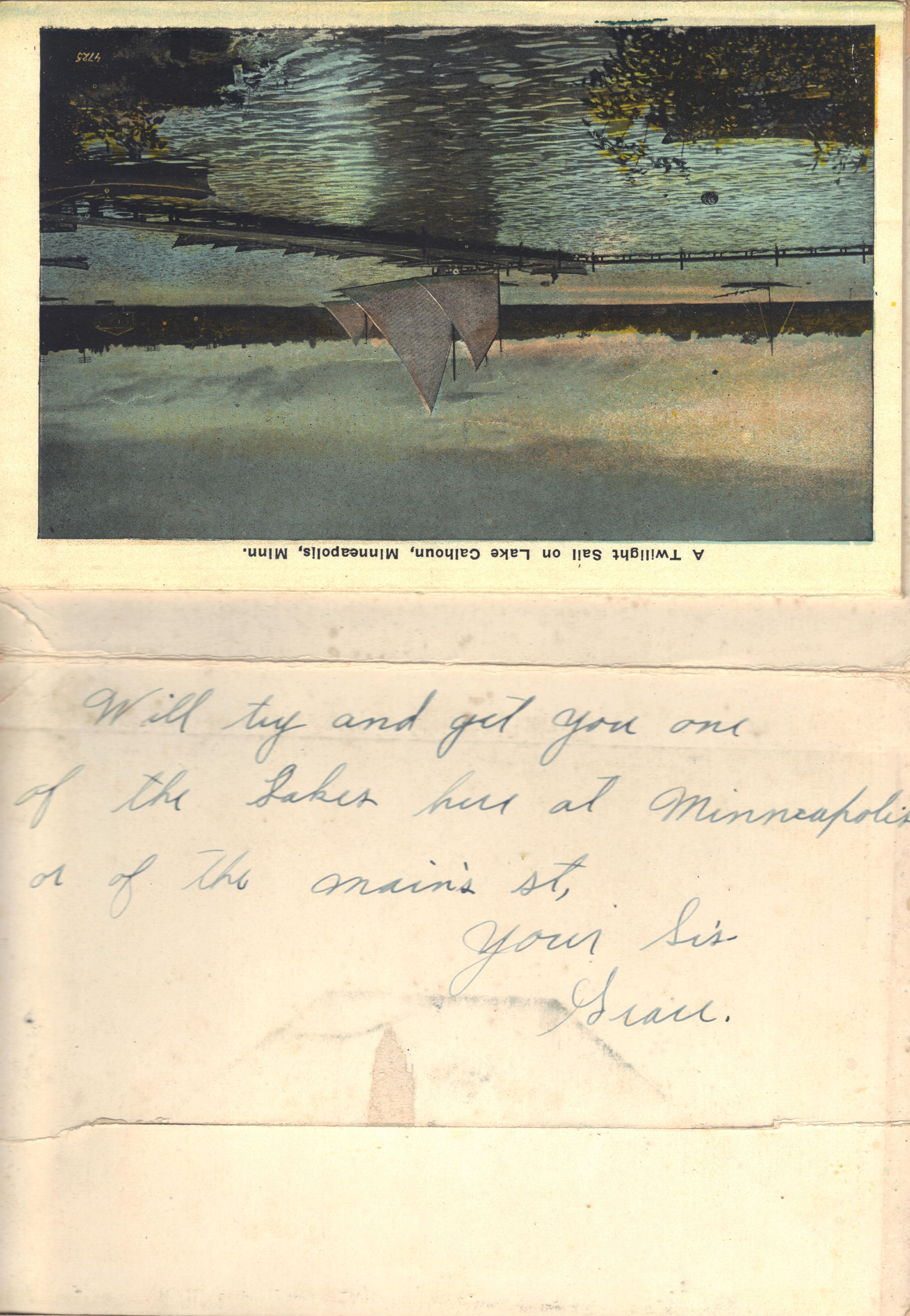
Tonight, I scanned old postcards and discovered another mystery. Who was Mrs. Roy (Esther) Cox? For that matter, who was Dora and Mary Keenan? And why do I have old postcards addressed to them?  

The last one is actually a booklet of tourist photos from the Twin Cities. I did not scan all the postcard photos included inside.

This last one is between the Keenans, sisters-in-laws, I think. Undated. The Oregon locations make me wonder if this is not a postcard on my husband’s side of the family, but it could be someone my Great-Uncle Dale knew in his travels around the Pacific Northwest.

I think I may have some of those years wrong upon closer inspection of the originals, but the dates do help give me some parameters to search with.

Switching Gears

I am gearing up for the last “pop-up“ market of the season while other people are gearing up for the big food event. My studio is littered with papers, feathers (yes, feathers), binders, acrylics, markers, and a few Christmas gifts that need to be wrapped and shipped. I have parsley hanging to dry, the last of the garden harvest I will hang this year. I am using this “down” time to catch up on genealogy.

My genealogy has waited for decades to be digitized. I’m not getting younger, and my memory is starting to fade. I have a pretty decent family tree started but I want to get done with the scanning and converting all my files to digital. Photos, old letters, old land deeds, and typewritten memories from my ancestors who also dabbled in family history. Get done with that, then convert my husband’s paperwork to digital.

Whew – I have a lifetime of work ahead of me. At least enough to fill the winter months for the foreseeable future.

I have already scanned all the deeds my mother collected whenever she happened to visit Wisconsin where her people were from. Mom did a lot of leg work, and I am reaping the benefits. She concentrated on the “newest” Americans: the Melrose clan. She never got into the Scotland roots, but I can understand why: every other son was named Phillip or John.

Phillip Melrose begat John Melrose who immigrated to the Americans before the American Civil War. John moved to Wisconsin and sired Phillip George Melrose. Phillip George sired two sons: Dale and John Vaughn Phillip Melrose. Phillip – John – Phillip – John. Dale died when he was young (see Letters From Dale in my archives). John VP Melrose fathered three girls, no sons: Phyllis, Donna, and Mary Lou (my mother). Phyllis was the closest he came to naming another child Phillip.

Mary Lou Melrose 1952

That original immigrant bought and sold quite a bit of land in Wisconsin and Illinois.

I came across some deeds that seemed to have nothing to do with my family line: A patent deed to Mary Eliza Drury (1878), Ormal Walker to Harvey Hakes (1889), and Preston King to Hiram Walker ((1860). That latter one is truly a puzzle, but I will get to it in a moment. It was the deed from Hakes to Walker that finally helped me figure it out (I think) because I have a second deed from Harvey Hakes to Phillip Melrose. Same property.

My hypothesis is this: instead of a “Title Search” as we know it in modern real estate transactions, the original deed was presented to the buyer as proof that the seller had the right to sell. I couldn’t find a deed from Drury to Melrose or Walker to Melrose, but those could simply be missing. Things got lost when Mom passed in 1995 or maybe she never acquired those deeds. Makes sense to me.

It doesn’t explain the original land deed from Preston King to Hiram Walker, signed by the 84th President of the United States. On parchment, hand signed, with a seal. Preston King was deeded the land after the Black Hawk War (a nasty piece of history). He was a private who served under Captain Campbell’s Illinois Militia.

I framed it. It has been folded and stored incorrectly for decades. I think it deserves wall space and maybe one day I will solve the mystery surrounding why I own it.

Garden’s End

I have done all I can do in the garden for 2025. The roses are mulched, the peonies have been dead-headed, and the rains have begun the relentless parade of clouds, downpours, wind, and occasional sunbreaks whereby we build a fire in the fire pit and sit outside with our hands in fingerless mittens, hovering close to the warmth.

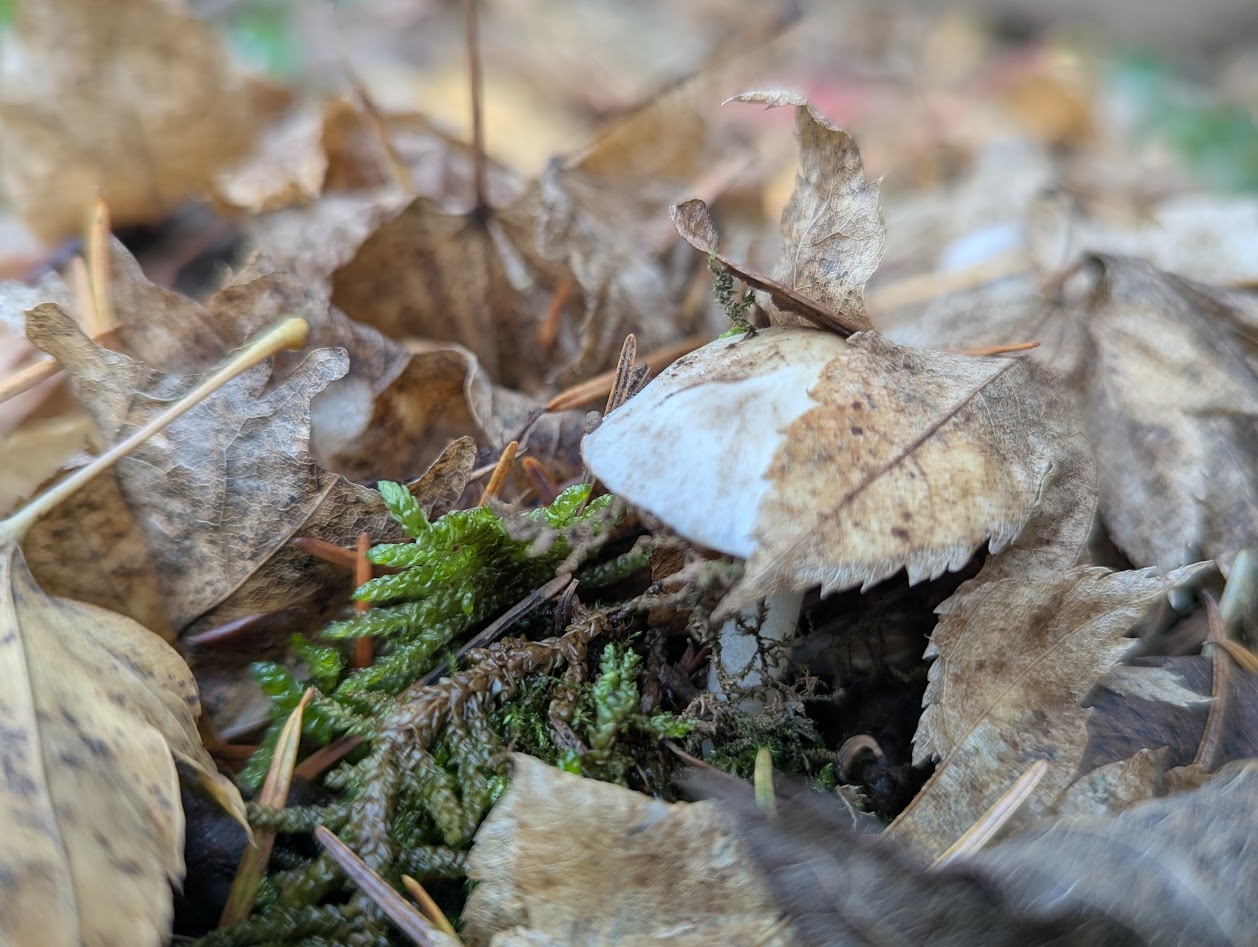
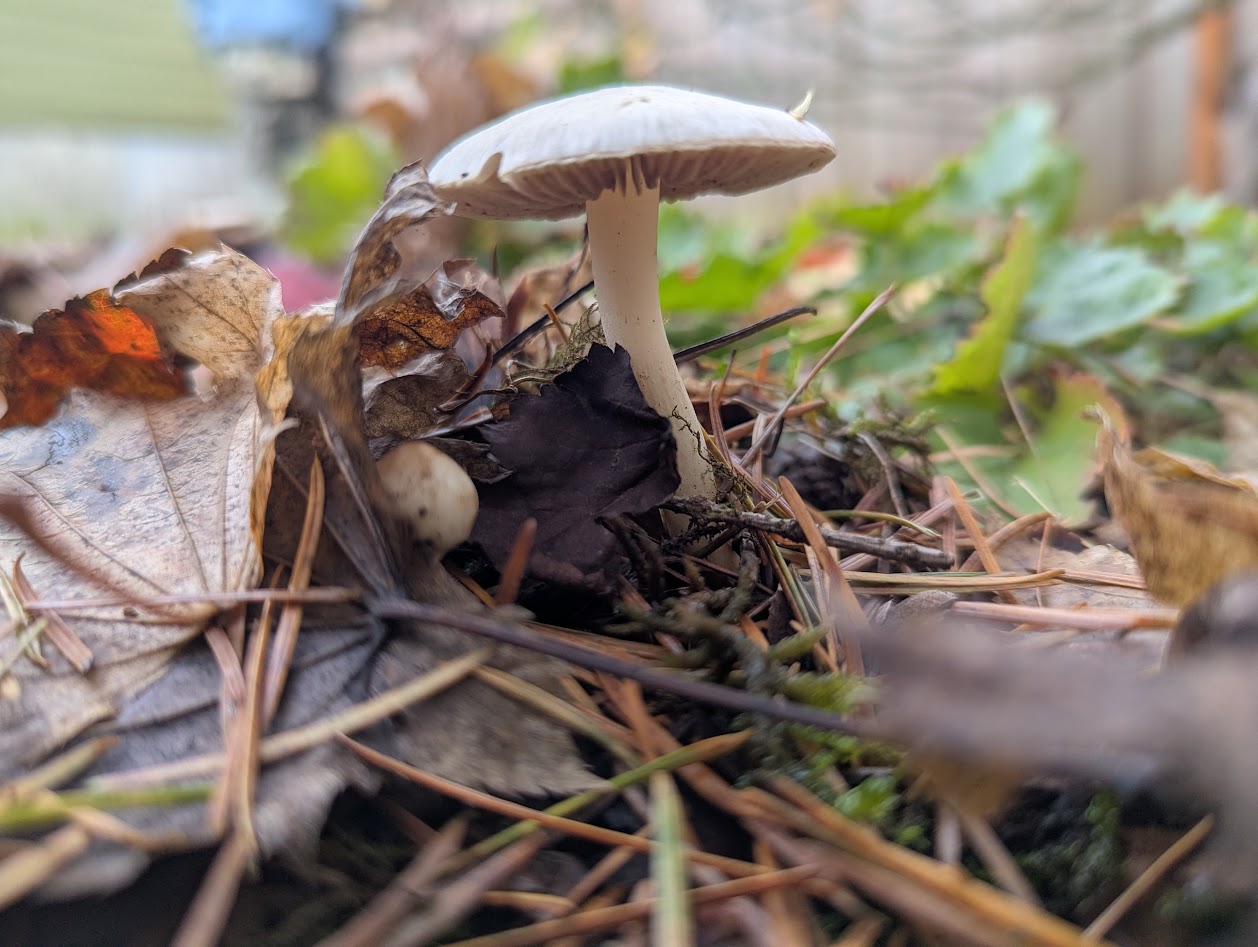
It is time to think about a different tack on the blog. But before I switch gears, here are the newest residents of my garden: the fungis. I don’t know my mushrooms well enough to identify them (beyond the panaeolus).

Happy November!

Water Feature

Welp, the rains are here for the duration. I’ll still get in some gardening on the few days of sunshine and dry that intersperse the gray, depressing, and very, very, wet days. The rain isn’t what is depressing: the cloud cover and long, gray, days is. I tried those blue anti-depression lights, once. Blah. I’d rather coerce my husband into building a fire in the fire pit and bundle up in layers on those days that are dry (the clouds can still be there, but a fire, the outdoors, and wood smoke alleviate depression better than a lamp that pretends to be the sun).

Microsoft Word doesn’t like that I refer to our winter weather as “the rains” (plural) but it is an accurate description: it isn’t one single rain but many such storms and sprinkles that come overhead throughout October to June. Rains. Multiple rain storms. With lots of thick, gray, clouds. If we’re lucky, we’ll get a snow storm tossed in there. If we’re unlucky, it will be an ice storm that comes down in the guise of rain: freezing rain. Fun times.

Before the weather turned and the cloud pattern changed, I finished up my second water feature. It needs a little fine tuning that won’t get done until the weather begins to warm back up, but I’m still pretty proud of what I created.

The rock that is the centerpiece came with the house. We live on top of a rocky bluff where tons (literally) of these sedimentary rocks formed when volcanoes were young and glaciers were receding. Boulders atop layers of lava rock, bluffs upon bluffs above the Willamette River, Our yard was cleared and farmed in the early 1900’s and most of the very large rocks were removed or sit buried under several feet of topsoil and clay. The corner of yard where my newest water feature is happens to be an area least developed and used as a rock and concrete dump for at least thirty years. I still find fat pieces of asphalt and broken concrete in the ground when I dig.

The native rocks are red, like the clay that makes up most of the earth around here. We just happen to be blessed with at least a foot of good topsoil atop that clay due to the farm that was established here in the 1930’s. At least everywhere except in this particular corner where everything was dumped before we moved in.

We removed most of the large chunks of concrete and asphalt and I started turning the area into a small garden. Don moved this big concave rock in the hopes of “someday” building a water feature in the corner. Twenty some years later, I built that water feature. I could say I got tired of waiting for him but the truth is more nuanced than that: he has his projects, the vegetable garden, a new shed, and more. I love to garden flowers, dig in the dirt, build walls, and rearranged things. It is only natural that I should take on the task of building a water feature after waiting for him to find time to do it.

I have the time and the will; he has neither.

I bought the round rubber animal trough at the local feed store. I ordered the solar pump. I dug the hole in the ground.

I didn’t find a lot of rocks in the way: I found the roots from the neighbor’s tall pine tree running through the ground, none of them larger than 1.5” diameter. I cut them out knowing they wouldn’t impact the life of the tree (which is dying anyway, but slowly, and due to a beetle infestation). I leveled the ground and installed the trough, planted the yellow flag irises in tubs, and filled the crater with water.

Oh, and sometime along the road, I made the semi-solid concrete feature that forms the second rock in the waterfall: concrete and a rhubarb leaf.

Me, me, me. And I’m only bragging about it because I will be 69 years old in a week and I’m still playing in the dirt and digging holes. Also, the birds already love it.

And, yes, I took a couple days off to recover after all that work.

Here we are, less than 24 hours from a massive rain storm and I am writing about sprinklers. It’s not like we’ll need them for the next eight to ten months as all the water will be coming from the skies. Well, tomorrow they say it might be coming in sideways with gusts up to 60MPH (that’s 96+ KPH for my friends who use the metric system, or 52+ knots per hour if you speak nautical). It’s going to be gusty and very, very, very wet.

We collect vintage sprinklers. One of those is homemade – can you identify it?

They aren’t worth a lot according to Google Lens, but some of them (and they aren’t all shown here) are worth a little bit of money. I doubt we paid more than $5 for any one of these and some were outright freebies. As to whether or not they work… Well, some better than others.

Those are the ones that don’t work well. Bad design, just old, or they don’t work in the space I have. The one on the top row that is heart shaped can be found on eBay or Etsy selling for around $65.

Nope, doesn’t work. Homemade, just didn’t make the cut.

These are some of the best sprinklers we have. The green one (top left) sells for around $30, center top row for about $20, the older yellow (top right) for around $10 (and it work so-so). The yellow one on the bottom row is one of my favorites and I found it selling for $20. The owl-eye sprinkler works in small spaces and I found it for around $30. The pot metal with brass center works quite well but it pretty much worthless as a resale item, plus I broke one of the points.

These are the last three. I never use them. Modern technology has given us better hand sprinklers although modern technology has given us spray wands that break easily and dies after a couple years of use. The two on the outside of this trio still work and will work for years to come. The red one might be worth $10 – $15.

The middle item is the most interesting to me. You may have already noticed it is not a sprinkler, but is a siphon. A heavy duty brass siphon that sells for around $30. I think I paid $0.50.

There you have it: our sprinkler collection (sans the all metal yellow oscillating sprinkler which was probably in use when I was busy taking these photos).