I spent several hours in the garden today. It is mid-October and things are slowing down. I haven’t watered in a few weeks, trusting the rains to come and do the work for me. The rain has been sporadic but comes often enough that even the planters remain green and growing. The rain barrel is full and soon I will have to close it off for the winter. I lost one rain barrel to a late winter’s freeze when I forgot to drain it, I don’t wish to do that again.
I cleaned one birdbath, the one the crows drop pieces of dog excrement in as they search for undigested peanuts. It’s a battle: the dog wants the bird peanuts, but he doesn’t even chew them: he swallows them whole, shell and all. The crows have learned there are nuts to find in shit, and they soften said shit in the water they (and other birds) are supposed to use for drinking and bathing. I console myself that they are no longer leaving me gifts of newly hatched birds in the water. Crows or raccoons: someone has to wash their food.
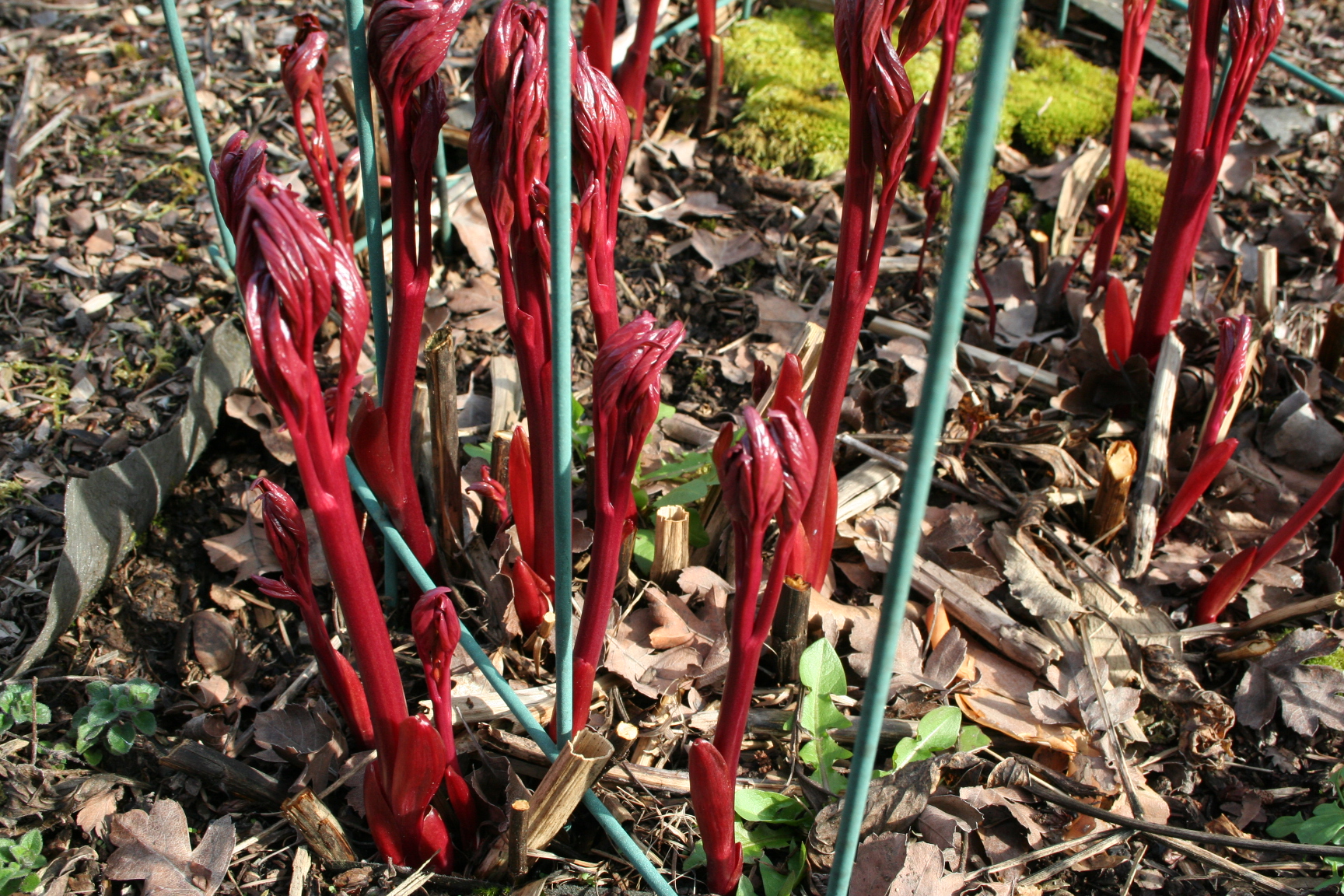
I try to get a late edging around my flower beds to discourage the spring growth of grasses (plural) which make spring weeding miserable. Grass and wood sorrel, my chief enemies. I cut the peonies to the ground now. I leave the evening primrose stalks of rich seeds along with the Russian sage and black-eyed Susans: the goldfinches, house finches, juncos, and chickadees will feast of them throughout the winter. So, too, the oregano. The rosemary is just beginning to bloom and honeybees swarm it in the waning Autumn sun.
I have finished most of my flower beds already. Mentally, I note where certain plants are that need to be moved in the spring, and which ones will need to be moved later in the Fall, when the stalks have died back, and the rhizomes or bulbs are left. I divided my Dutch irises a few days ago, today I dug up a couple dozen rhizomes of the purple ones and set them on the corner in a box marked “free”. I have more than enough purple Dutch irises, ones my father gifted me many years ago from my mother’s garden. I keep the blue and white ones, my favorites.
Once, someone on an Internet forum tried to school me on how to take care of irises. I was wrong, he said, to state that irises are basically weeds and need little care. I laughed. My irises came from 6500’ elevation in Nevada. My mother had them planted in gravel, on the southwest side of the garage, under the shadow of the motorhome. She died in 1995. My father hated irises and left them to die. Sometime between 2002 and 2003, he dug them up, threw them in a box, and shipped them to me, here, in the fertile Willamette Valley. I have divided them three times since then and given countless ones away. Irises are basically weeds and can survive a lot of abuse, drought, ice, snow, and even slugs, the latter being their greatest enemy in my garden.
I do kill some plants. Sometimes I do it intentionally and sometimes they just don’t like the way I treat them. Houseplants are usually the first to turn brown leaves upward and refuse to put out new roots, but I am getting better at keeping them green. I don’t always know why a certain plant will not take off in my yard, especially when I have had some degree of success with the plant in the past. Flowering currant, a native to the Willamette Valley, is one such failure. I grew it at another house, but it has failed to take root in this yard, and I have tried numerous times. But it took me over three years to rid my garden of comfrey and Japanese anemonies, and I am still battling fireweed (although not too fiercely, as I rather like fireweed).
This past summer I experimented with growing more native herbs. I already had several herbs in the ground but expanded. I planted nettles in a planter and kept them cut back so they could not go to seed and spread in my yard. I harvested leaves, dried them, and have already tried them in tea. I wore long sleeves and gloves when I harvested them: I have memories of crawling into a nest of nettles under the aspens in the Ruby Mountains when I was a girl. It was not pleasant. I don’t blame the nettles, but the little girl who didn’t pay attention.
I harvested yarrow and feverfew. My husband wants me to grow colorful yarrow next year, not the plain white stuff of our childhood. I will no doubt oblige. I have Lady’s Mantle, Holy Basil, Elencampe, sage, lavender, wild sorrel (I didn’t plant that, it has taken over our “lawn”), mallow, thyme, hyssop, elderberry, and more. Sometimes, I just sit and stare into my garden and the many flower beds and wonder what all I have planted and what I can harvest and what I should get rid of or introduce.
My garden is a canvas. I have plants I dislike and some I even hate: grass is one. There are many kinds of grass, and I despise most of them. I like sedges. There are a couple ornamental grasses I can live with. But grass as a whole, I despise. I am allergic to most grass. If I could have a yard free of grass, I would be in Heaven. And for that reason, I grew flax this past summer. I hope to sow flax seeds into the lawn, mixed with the false dandelions and wild sorrel. I am slowly cutting out more and more of the lawn area for flower and herb beds. I don’t think about the color or composition as much as I think about eliminating the grasses.
I reached a place where I must quit garden work. The largest flower bed has been cleared and most of all the other ones are winter-ready. I still have peonies to cut back, and asters that are just now fading which will need to be dead-headed before the cold sets in. There is one tree peony that I hope to dig up and transplant into a container, separating the grass from its roots and (hopefully) giving it a new start at life. It is probably fifty years old and I wish to be very careful. I moved one tree peony two years ago and it is happy in its new location. I can do this.
Photo: climbing nasturtium that took all blessed summer to grow and is finally climbing and blooming right before the rains come.




 I’d love to show off the new flower bed I created in front of the house, where I have planted my rose (which is showing no signs of life!), a Rose of Sharon, and left room for many more perrennials while cutting down the need for lawn mowing. Purple anemones, Vinca Minor, hens-and-chicks, above the wall, Lady’s Mantle and orange daylilies below, on the city right-of-way.







 Jaci Dawn