Feeds:
Posts
Comments

Posts Tagged ‘plants’

I’m ashamed: I have not kept up on the blog. Well, I’m not really ashamed, but I am a tad bit regretful that I haven’t kept up. I think of things to write during the day when I am elbows deep in something, but evening comes, and all that inspiration has evaporated. Poof! Gone! Dissipated into the Nether.

We put in a new shed, replacing the homemade one that came with the house when we moved in here over 20 years ago.

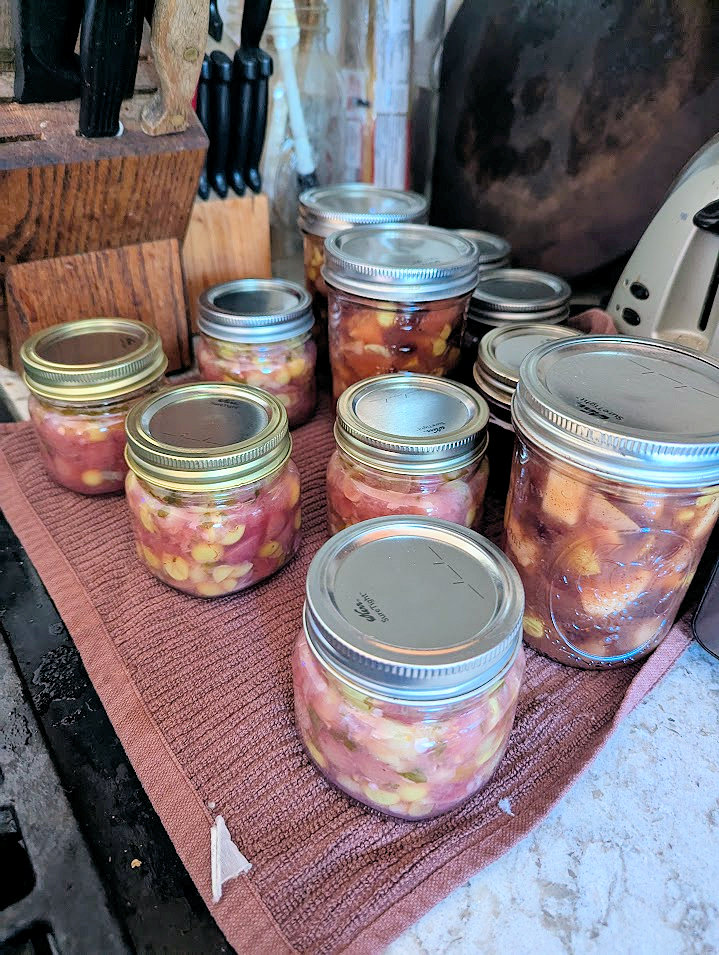
I have been busy canning enough for the two of us: salsa, compote, conserve, chutney. Herbs have been dried or are drying for herbal teas. We foraged huckleberries and elderberries from the National Forest (those are in the freezer, awaiting a moment of inspiration).

We also foraged some more native plants for the yard, some of which have already been planted in the ground and some which are waiting for me. They won’t have to wait long: I have been busy moving plants around and tilling new sites for more plants. I’m waiting for the next round of rain to pass through and will use the ensuing dry days to my advantage.

I have filled the hummingbird feeders and hung them out: I took them down during the hot days of late August when honeybees get lazy and swarm the nectar. I melted and mixed up a new batch of bird suet. That came down when the weather warmed up and the starlings started coming around. The starlings are gone now, moved to parking lots. The weather is cooler and the suet won’t melt or mold now. We’ve started feeding the corvids and small songbirds again. (Corvids: California scrub jays, Steller’s jay, and crows.)

I have cleaned up the space between our shed and the neighbor’s lawn. That’s a bit of a sore point: our garage is set back three feet as per the law, but the yard maintenance person insists on mowing our portion, including over my ferns and day lilies. ARGH. I have tried little fences, cardboard, and now I am merely tilling up the strip to plant more flowers. When we first moved in, the elderly woman who lived in that house asked me to do that so her lawn person wouldn’t have to mow that (because we aren’t the best at keeping up the lawn mowing, preferring to let our yard go “natural”). I wasn’t in a place to do it then, but I am in a place to do it now.

Too bad that Selma died several years ago and we have had renters living next door since. Renters who did not mess with our three feet until the landlord hired this current lawn guy. I have even posted a sign on the side of the garage: DO NOT MOW OVER THE FERNS, PLEASE. He still hits them. So I am in a passive-aggressive war with him (and by extension, the landlady to the property). Yes, I could make a phone call, but it is infinitely more fun doing it this way. Don’t judge me.

(If you’re thinking I’m afraid of confrontation, you’d be very, very wrong. Most people are afraid of confrontation with me. When I come into a confrontation, I come with both barrels loaded and a back-up cannon. The world is much safer when I resort to passive-aggressive flower planting.)

I hacked my poor hydrangea back by at least two feet. It used to be planted under the pine tree (Nature rest its branches and rotting roots). The pine tree fell over some seven or eight years ago. The hydrangea is now in full sun, and summers have heated up the past five or six years. I have covered it with umbrellas, sheets, and tablecloths, but it still gets sunburned. The flowers fade too quickly. It has grown spindly. I could either kill it outright or prune it way back and see if it survives.

A woman walking her dog by the house commented on it. I told her I hopes I hadn’t killed it by my merciless hacking. She said she’d watch it and if it lives, she’s hacking back her overgrown hydrangea next fall. That’s me: inspiring neighbors to bush cruelty.

I also cut the Rose of Sharon back quite a bit, the forsythia, and the mock orange. They aren’t as noticeable a hack job as the hydrangea that was five feet tall one day and less than three feet tall the next. Turn me loose with pruners and a saw…

I meant to do a blog on sprinklers, highlighting our eclectic collection, most of which we don’t actually use. I may still do that. It sounds like a wintertime post. Meanwhile, I am considering this post finished.

Read Full Post »

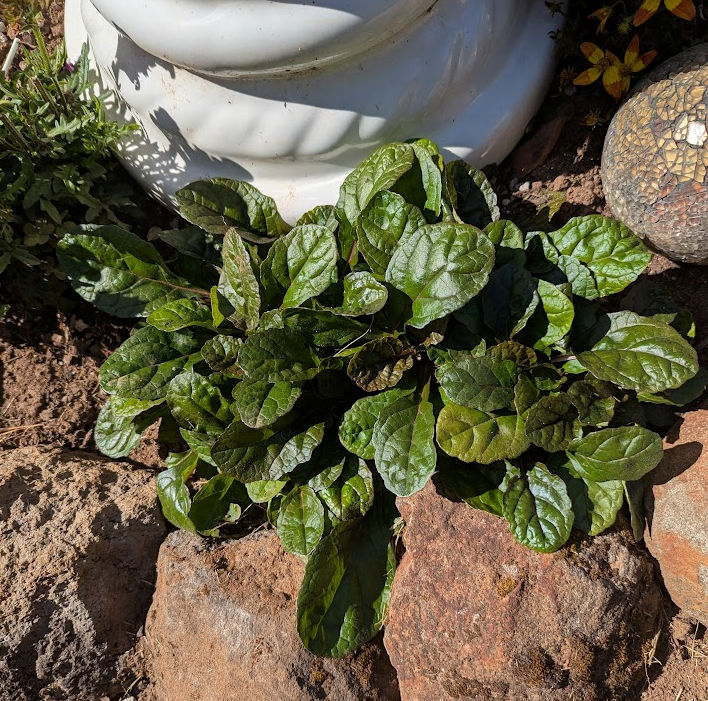
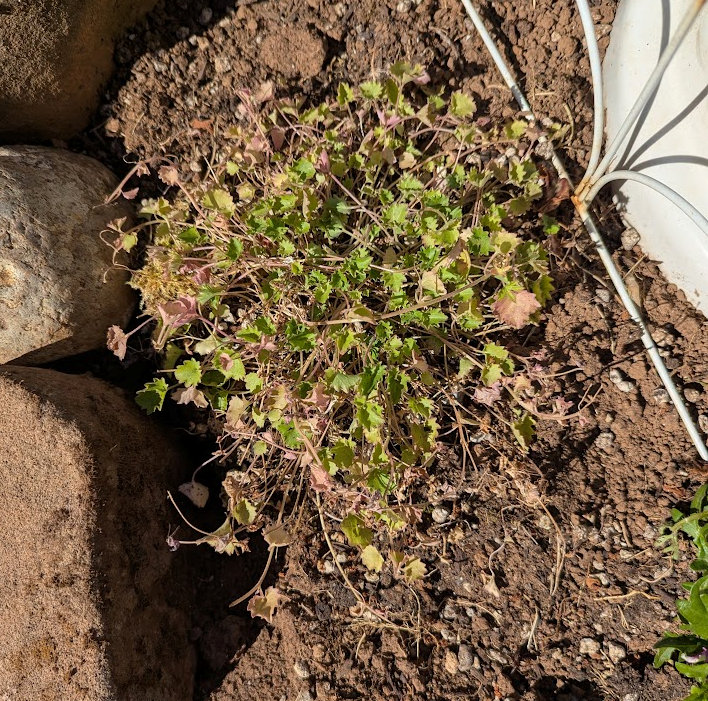
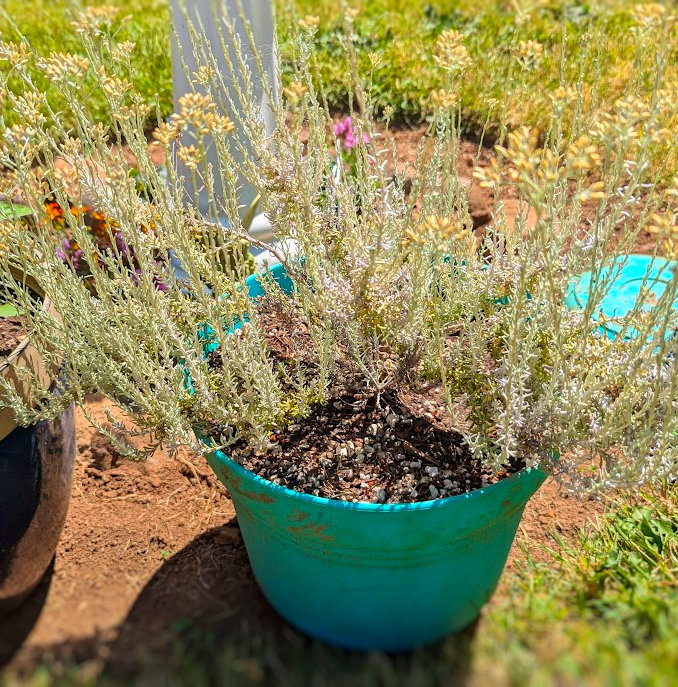
I have a surprising number of herbs growing in my garden, some wild and treated like weeds, some I have purchased with intention, and some that I purchased but didn’t have a clue they could be used medicinally or otherwise. I knew there were four herbs in the picture, but when I started looking up the different plants and uses, I discovered that ALL the plants around the fountain bird bath are useful herbs. I’m always learning new things in the garden and often kicking myself for the mistakes I make. But mistakes and learning are what make gardening an adventure!

As a side note: the plants in pots won’t always be leaning like that: we’re staining the deck and I had to move them temporarily. What we do for a photo op, right?

Bugleweed (Lycopus europeus) (Ajuga is another name). I bought the Bugleweed as a ground cover a couple decades ago and have been trying to get rid of it ever since. I had no idea it was an herb and had medicinal uses: hyperthyroidism, coughs, sleeplessness. I’m still on the fence about eradicating it entirely as a mistake or trying to fine a place where I want it to work its magic of crowding out other plants. It has a pretty blue/purple flower in the spring.

The tickweed (bidens)was purchased for color and length of blooming period. I’d never noticed them before at plant sales but when I was shopping for plants to put around the birdbath, it stood out for color and the fact it will bloom all summer, no dead-heading necessary. It apparently has seeds that cling to your pants like ticks cling to deer. I didn’t know that when I bought it, but it’s only one plant… Right? As an herb it has antibiotic properties. I probably will never use it.

Serbian bellflower (Campanula Poscharskyana). I just recently traded it out of a pot where it wasn’t doing well and put it in the ground by the birdbath. I learned the flowers are edible along with the leaves, making it more than just a pretty blue flower: it is a salad green! Of course it isn’t blooming right now, but maybe I can revive it! (The bloom is from another bellflower in the yard.)

Curry plant  (Helichrysum italicum): We bought that for the aroma, the sage colored leaves, and the pretty flowers. Curry plant is not the same as the spice curry which is a blend of spices, but it smells like the spice. It has minimal uses in the kitchen as an edible as it only imparts a very light curry taste to food.

I purchased the blue hyssop (hyssopus officinalis) a few years ago thinking I would use the leaves in tea some day. It grows scraggly, rather like an English thyme, and the leaves are tiny like the thyme. I currently have some drying – not enough to make a cup of tea, but it is a start. It has little blue flowers and is a great addition to a pollinator garden. There are a variety of kitchen uses for this herb as well as the medicinal uses (hyssop is mentioned several times in the Bible as a “cleansing” herb). It can be used to treat ulcers, asthma, and head colds. It is a great antioxidant!

Wild Bergamot (Monarda fistulosa). Medicinal uses are antibacterial, antiviral, and anti-inflammatory. Culinary uses include teas and as a spice added to soups. It is also a pollinator plant and it is a native to North America. The bees and I are waiting for it to bloom.

Last is the Mystery Plant. I was looking for a ground cover at a garden sale and this one jumped out at me: it blooms all summer, giving me the color I want. So I bought it, brought it home, and discovered the identifying tag had been removed at the point of sale, presumably for the seller’s inventory purposes, but now I had no idea what I purchased! I had to wait for it to flower to key it out. “Mystery Plant” is Self Heal (prunella vulgaris) is also known as Heal All. You can use the leaves and flowers in salads or tea. It has much the same properties as the Blue Hyssop. Pretty all summer AND useful!

Finally, a disclaimer:

I do not know enough about herbs to encourage the reader to use them and as with any new thing you add to your diet or healing regimen, do so with caution. I am writing about these herbs as much to learn about them as to show off my garden. ALWAYS research first. And certainly don’t trust ME. I’m only in it for the pretty flowers.

Read Full Post »

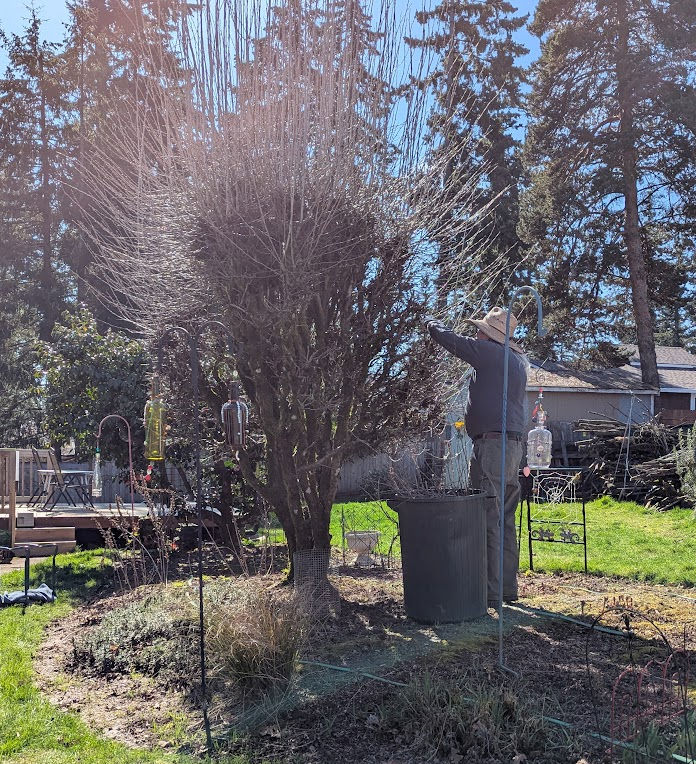
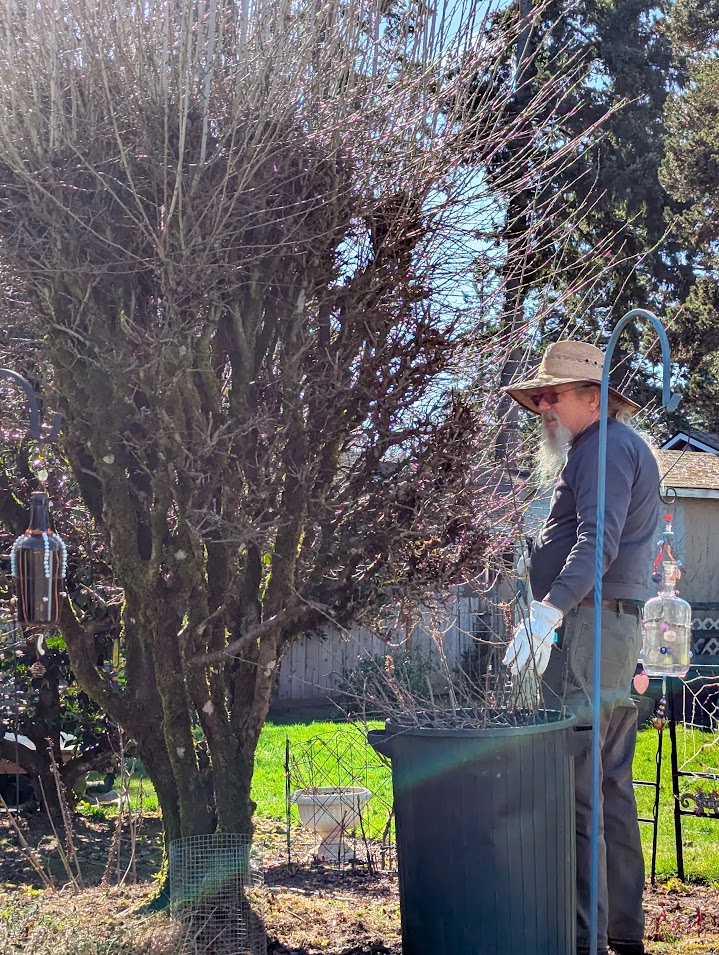
The weather cooperated in time for the annual pruning of the apple trees and the Hawthorne. I forgot to take “before” pictures of the apple trees, but, hey, “after” pictures work.

We purchased espalier apples in 2003 to use as a “fence” around the vegetable garden site. There are six varieties on each tree, some do better than others, and we always have more apples than we can use. I think of investing in a cider press off and on: we could make a lot of vinegar, juice, and cider!

Certain varieties do better than others: the dominant apple (the base to the espalier) does best (yellow trasparent). But we still get a decent crop of Granny Smith and Red Delicious off these trees, and – maybe – someday we will figure out why the other three varieties struggle.  The fence around the apple trees is twofold: the dog can climb under the apple trees and get into the garden and the dog likes to pick apples off the tree (ripe or not ripe). Apples are not good for the dog (apple pips are poisonous). He still manages to get apples off the trees, which he then plays with as a cat would play with a mouse, until we take the apple from him and toss it into the yard debris bin.

Pruning takes place before the leaves unfurl and the blossoms swell. Then we hope there won’t be a late hard frost. It is all you can do.

The Hawthorne is a little more involved. Apples don’t have thorns. The apple trees are not over five feet tall.  That darn Hawthorne…

We didn’t buy the Hawthorne. We dug it out of the horse pasture when we gave my horses away (to a good home) and moved into town. It was all of three feet tall and had been run over by a Caterpillar multiple times and browsed by deer almost as often. It is a Native tree. And it absolutely loves its new location.

20 years after moving it, it stands over 10’ tall. It hosts birds and insects. We don’t allow it to blossom but if we did, it would host pollinators and produce berries (seeds). Pruning it is a several-day production that includes ladders, avoiding stepping on my peonies, and picking up anything the dog might later step on and puncture his footpad.

The dog has enough problems without thorns between his toes. And when I weed under the tree later in the season, I have enough trouble without a sharp one-inch thorn piercing my gloves.

Also, I don’t do any of this work. I take pictures and sometimes pick up the stray thorny branches my husband misses. My husband is proprietary about the apple trees and I wouldn’t touch pruning that Hawthorne with a ten-foot pruning hook. Nope, nope, nope. Not I.

What ensues is a bit of a photo documentary of the pruning on one native Hawthorne tree in our back yard, including some dangerously slanted ladders on the mound of earth where we decided to put said Hawthorne.

Read Full Post »

February

We’re staring down winter this month. The killing frost finally arrived and more is to come. Tender plants will be moved into the greenhouse for the duration of 20°(F) nights: Don’s Bonsai trees, our newest tree peony, and the curry plant (which is not the same as the spice you buy in the store which is actually a blend of spices). It is time to earmark seed catalogs and set aside money to buy those precious seeds.

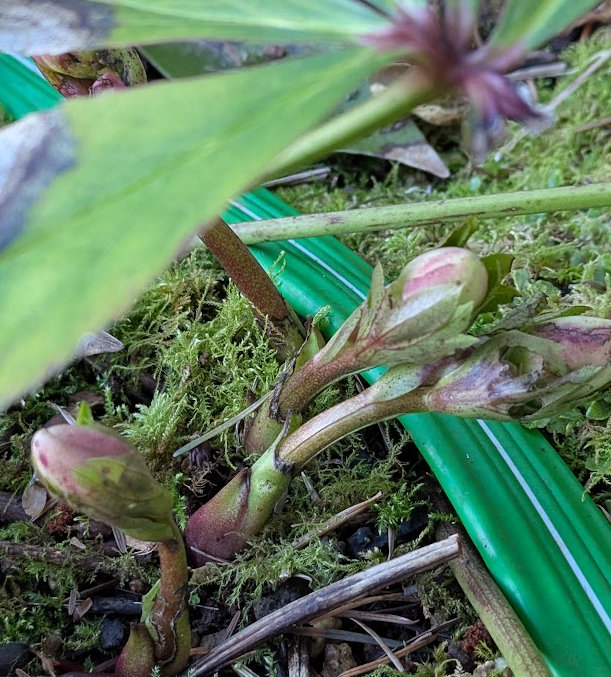
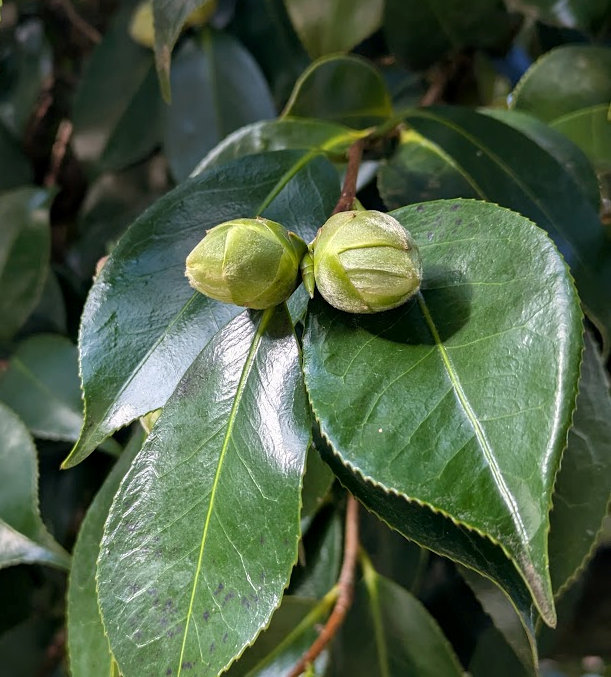
The worst winter weather usually hits us in February when we’re ready for a thaw and the daffodils are pushing upward whilst the buds on the Camellia, Rhododendrons, and Lenten roses are swelling. February can bring all kinds of weather surprises in the Pacific Northwest and big freezes with sudden thaws are some of them.

We moved to the Willamette Valley in 1983, then a Zone 7b (it is currently a Zone 8 although I overheard someone claim we are now a Zone 9 – I haven’t verified that). It is a maritime climate, not the dry and arid climate of my youth. We are surrounded by mountains: the low Coast range to the West and the towering Cascades to the east. Snow, when it happens, usually coats the “upper” elevations: anything over 500’ above sea level.

Cloudy season runs from October through early June, sometimes into July. With clouds, the rain comes. We get more rain than we get any other precipitation, and more ice than snow when the weather gets cold. I hate rain and ice. I really, really despise ice. Where snow is insulating, ice penetrates. Snow rarely lasts long enough here for me to begin to wish for sunnier days or for the February thaw to just get over. Rain just covers the sun and makes the days seem dark and lifeless.

I have perfected complaining about the weather like a true Pacific Northwesterner.

I’d rather be outside with my hands deep in the soil, stirring up the things that live in the dirt and getting my fingernails broken, chipped, and full of mud. Sitting out the dreary days of February are the worst: there’s the promise of March and starting seeds in little pots in the windows or in the greenhouse. March, with the first teasing blooms on crocus, daffodils, Lenten roses, and rhododendron.

February is the month for taxes. The month for tying up loose ends in my art studio before I begin another season of pop-up markets. The month of marking my calendar for the upcoming garden shows (and the annual rock and gem show). It is the month to find a semi-decent day midway through to prune back roses and tame the wild grape vine a little bit (I rather like having it grow wild).

I will order roses the first of March. Start seeds in pots: tender herbs and rare wildflowers. The seeds I have placed in the freezer will be taken out and planted in seed starter soil. And I will repot all of my houseplants, at least the ones that have survived my indoor brown thumb. I will set aside money for the plants we plan to purchase in April and May. In March, we begin to hope again.

For now, it is February, and I need to move my tender plants into the greenhouse before a week of below-freezing nighttime temperatures. Maybe we will get a few inches of insulating snow to play in. I hope we don’t get an ice storm. The “big” ice storm of February 2021 is not yet forgotten (we lost one rhododendron and went without power for eight days). But it is February, and if ice comes, so does the big thaw of warm south winds.

Real cold comes with sunny skies, and sunny skies mean Vitamin D and a fire in the Breeo fire pit. I can’t complain about sunshine and a warm fire pit.

Read Full Post »

Our yard is a curious yard for flower and herb gardening: nearly full shade during the winter when the sun is low and the Doug firs around us block its rays (there are no trees (per se) in our yard). In the summer, there are large swaths of the yard that are full sun to part sun. And there are sections that remain shady all year round, with just a little sunshine in the middle of the summer.

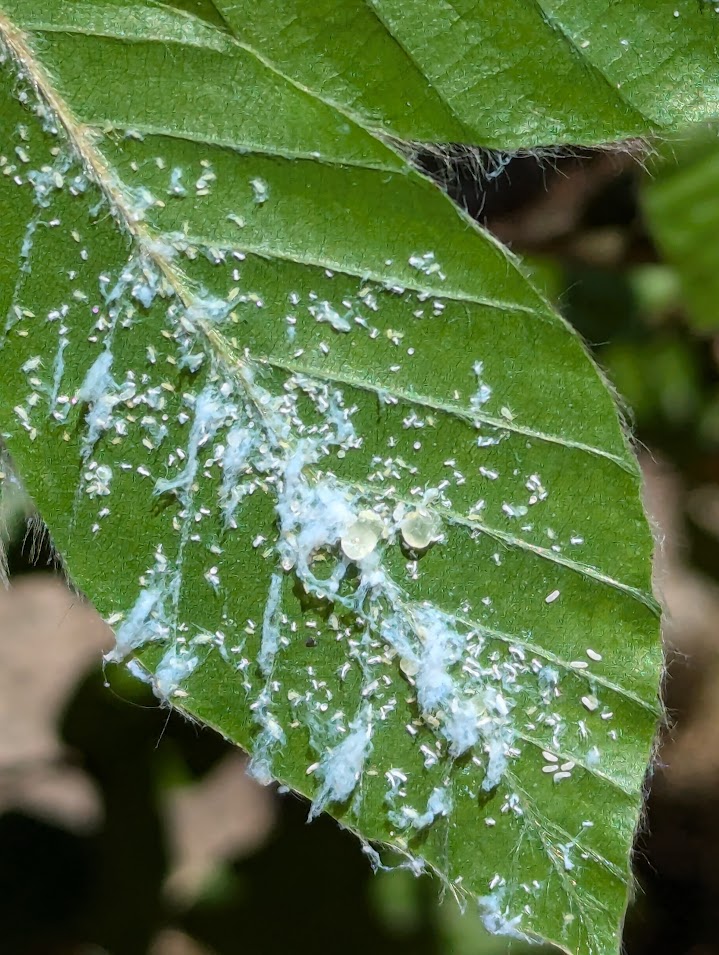
And the soil! Where once there were livestock over seventy years ago, the soil is rich, loamy, and wormy. Ignored sections tend to be clay, the predominant soil type of this area. I have well-drained areas and a few areas that remain wet. I battle fungus: black and brown spot, moss, and – in some corners, powdery mildew. Aphids are the biggest insect pestilence, but I have to be careful in my battle against them because our yard is also a pollinator habitat: birds and beneficial insects teem year-round.

My battle against invasive plants is slow and deliberate, executed with extreme caution: I have a liquid herbicide that I apply with a paint brush on the newly cut stems of offending plants: Himalayan blackberry, the neighbor’s flowering fruit tree that insists on shooting up starts in out yard, and a few miscellaneous “weeds”. It has to be done when the sun is out for several days in a row and protected from the curious nose of our doggo.

I have also applied the salt-vinegar-soap mixture to certain leafy plants, but that also needs to be done with caution. The salt will render the soil unfertile for a few years if you use too much. And it doesn’t outright kill, it merely stops the growth and then I have to go in and snip off any green starts I see, denying the offending plant needed sunshine and air. (1-gallon white vinegar – best to use 30% stuff you can get at places like Home Depot – + 1 cup salt and a dash of Dawn liquid soap to help it adhere to the leaves and stalks). A hot day works best. I killed the Comfrey that was taking over part of my yard with that solution and a LOT of snipping. It took three or four years to win the battle.

(Yes, I know: Comfrey is a wonderful herb and a pollinator friend. But it is also invasive, tends to powdery mildew, and causes lovely rashes on contact. Borage, a close relative, is much easier to contain and the pollinators love it just as well.) (An opinion, not a rule.)

Aphids are trickier. I’ve tried Neem and I have tried a natural recipe of soap and water (easy on the soap and it must be Dawn). I planted Marigolds between my hybrid tea roses, but I haven’t tried that around my honeysuckle. I started using a natural spray of essential oils last summer (too late, I am afraid): thyme, peppermint, cloves, and rosemary mixed in a quart of water and sprayed liberally. I also planted two native honeysuckles to complement the cultivar I already have, and I am hoping that the native ones have some resistance to aphids.

I purchased copper fungicide last year to help combat the brown- and black- spot fungus that is ever present in a Pacific Northwest semi-shade yard. I applied it to the ground when I mulched my roses, but I do need to apply it to my peonies as well (and my yard is full of peony cultivars!). My understanding is that the fungus lives in the soil (or profligates there). I also found two natural remedies in my Garden Notes file today.

  1. 1 litre 7-Up (less 1 cup – you drink that) + 1 cup mouthwash + dash Murphy’s oil or Dawn liquid soap. Doesn’t specify what brand mouthwash, but I will assume it is one that is “minty” fresh.
  2. 1 T baking soda + 1 gallon water + 1 T white vinegar + 1 T cannola oil. Since it is being used on plant foliage, I would assume you use the food variety of vinegar, less acidic. I can foresee this leaving a white residue of baking powder of plants, but it is quite diluted. The only other problem I have with this is the cannola oil. We don’t use cannola oil in any of our cooking or baking.

The former recipe looks doable for me, but I’d love to hear from other folk what remedies wou have tried (natural, mind you).

Slugs and snails are our “other” pestilence here in the Pacific Northwest. You can pour beer into a receptacle and let them drown themselves (rather gross to throw away every morning with their fat carcasses, and a waste of beer). You can use slug bait (I do, but only in places where I can shelter it from birds, mice, and doggo). But the best deterrent is simply removal. Toss those puppies into the middle of the asphalt street and let Nature (or tire treads) take its course. Eliminate hiding places (this is a biggie: the fewer places for slugs to hide, the fewer slugs you have. Snails, too.)

I do have another trick up my sleeve, but it is for potted plants: copper tape applied around the base of the pot. Copper conducts electricity which gives slugs what is equivalent to a “hot wire” shock to a horse. My husband has copper piping that he places around the lettuce and similar greens in the vegetable garden. Science, folks.

I’d love to have your input on solutions!

Read Full Post »

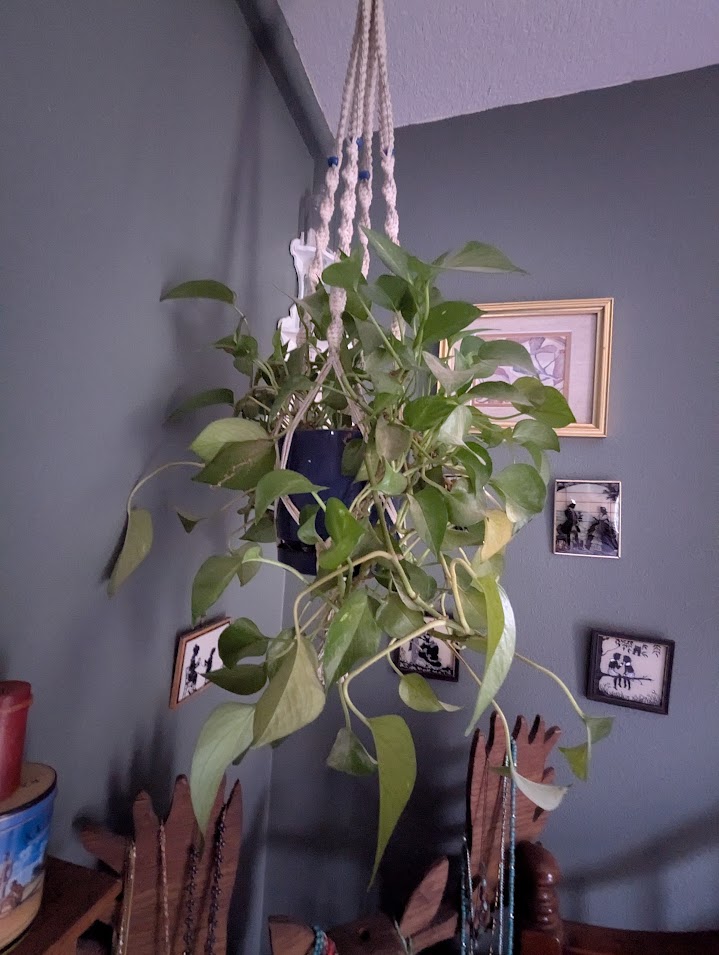
I purchased two four-inch potted plants today. I am truly trying to have an indoor green thumb, but I haven’t had much luck cultivating that talent. I started killing houseplants when I was pregnant with my oldest and my luck hasn’t changed much since. So far, I have managed to keep a pothos living (and expanding) and a couple peace lilies. The latter are beginning to look sad after twenty-nine years (I got them when my mother died). The pothos I have had for much, much longer.

I had a Christmas cactus that I grew for thirty-some-odd years, until my favorite cat finally knocked it over and killed it. She broke the pot it was in, too. I was very sad about that: I had purchased the planter and cactus for a nickel at a church bazaar when I was about nine years old. But of all the cats I have ever lived with, this one was my all-time favorite, so she was forgiven. I think she was angry because we kept introducing more cats into our household. I’ve never had the heart to buy another Christmas cactus or to replace the broken pottery. But I have had other cats.

The pothos survived my pregnancies and has been divided several times. Nowadays, I just trim it back and refuse to root any more starts from it: I have two of its babies, and that is plenty. (The seemingly dead plant is a ginger plant. It may or may not be dead. I might have left it outside too long and the cold got it. We’re holding out hope.)

The peace lilies have always been my red flag: when they wilt, I know I have forgotten to water in a couple weeks! But water them and they bounce right back. This is how terrible I am at indoor gardening! They have been divided, but the first few years of my retirement have been hard on them. I always had them at work, in my office, where they thrived. Now they languish and I am promising them to do better in 2025.

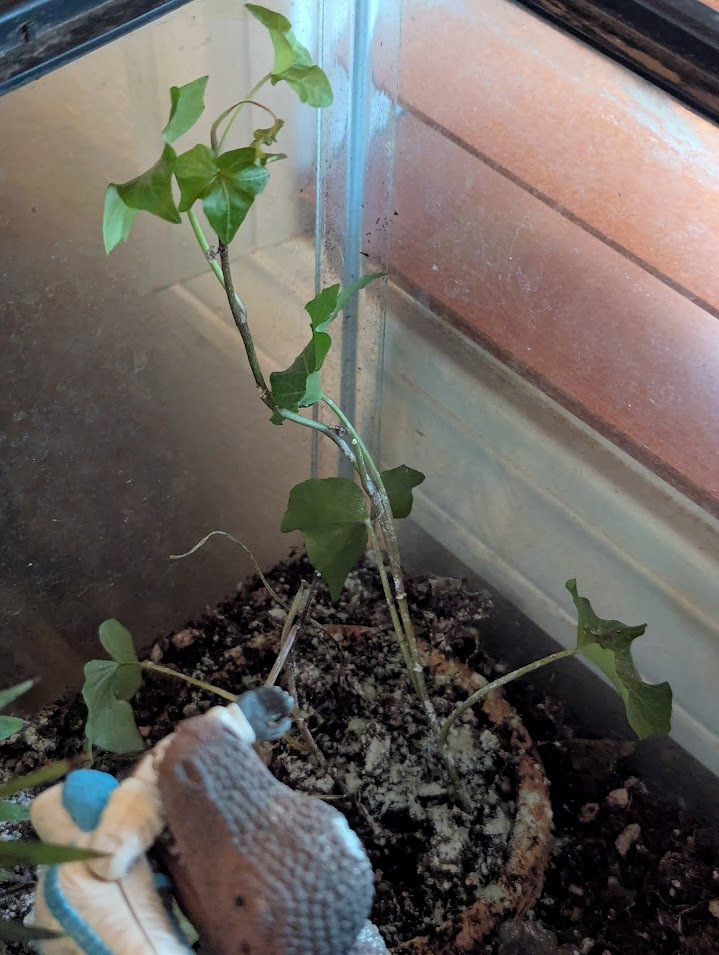
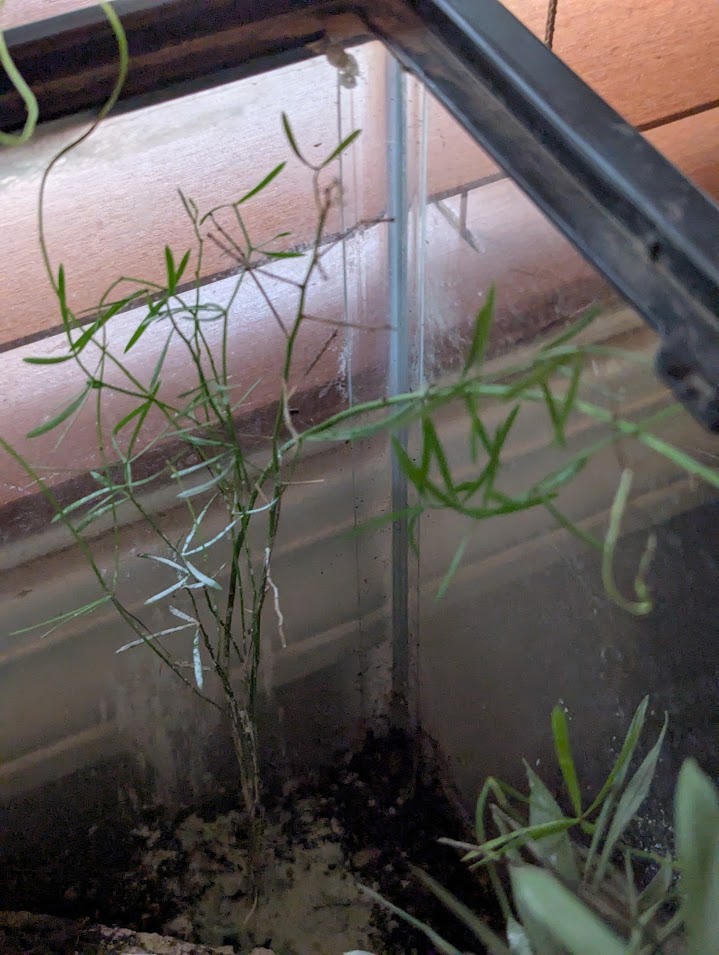
I don’t remember when I picked up the old aquarium or when I decided to try growing plants in it. (I kill fish, this was never going to be used for fish!). Most of my early attempts died, but the asparagus fern has clung tenaciously to life. I added one parlor palm, and it thrived, so I added another. There’s an English ivy in there now, but I don’t know if it will live long or not: it picked up a fungus that I have treated with copper fungicide. Time will tell. I started talking to my plants when I started the terrarium, but I didn’t start daily misting until a week ago.

I know: most plants need daily misting, especially in the winter. I’m trying to be so much better! I check the roots with a meter once a week in the winter and water lightly as needed, no more waiting for the peace lily to wilt! I snip the dying leaves off. I opened the Rodale Book on Indoor Gardening that we have owned for at least twenty years, and I finally read it (the parts that are pertinent, anyway).

I did all the reading and buying of plant guides after I purchased an 8” potted Wandering Jew last fall. It was severely root bound and started dying shortly after I brought it home. I tried repotting it, but I didn’t have a pot large enough and the damage was done. So, I cut a few starts off and put them in a jar on my windowsill and am patiently waiting for them to have enough fine roots to survive repotting, probably in March of this year.

The death of the Wandering Jew impressed on me how little I really know about growing and keeping indoor plants. Who kills a Wandering Jew? Or a Spider plant, for that matter? I mean, other than me. And why am I so terrible at this? All my plants are in a southern or eastern exposure, but they really don’t get a lot of sun: in the summer we keep those blinds closed to keep the house cool and, in the winter, the tall Douglas firs across the street block the sun from our house. My surviving plants are all lovers of indirect light. I can check that box and look for more plants that like indirect light.

The house gets dry in the winter and the heat vent blows on the plants: of course they need misting! Somehow, I just never grasped the need to mist my houseplants. According to the several sources I read, twice a day misting is optimal, but they should be happy with once-a-day misting. That is more than they have been getting!

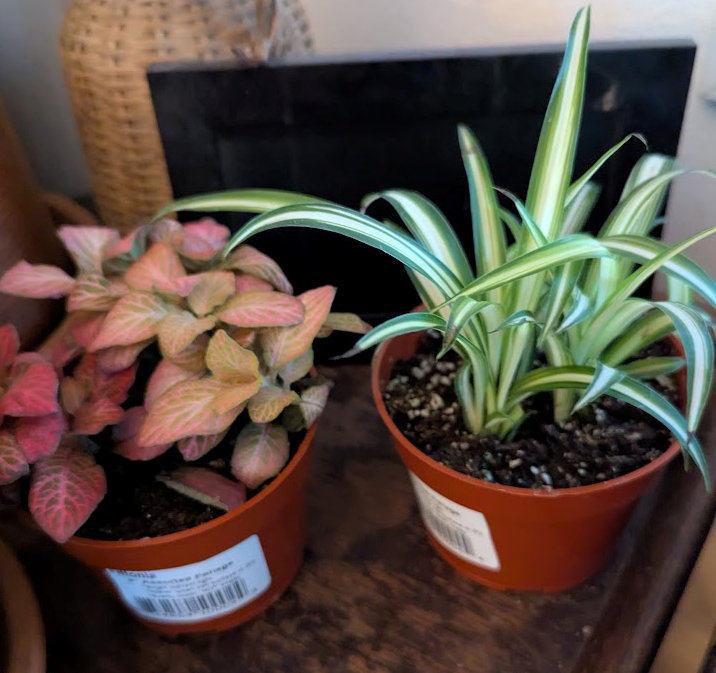
Today, I found a cute little coleus and a tiny spider plant, newly potted, and on sale at a local grocer. I know, I know – don’t make splurge decisions. But I did. I won’t transplant them until I see they are thriving. I will read up on them. I will transplant them when I pot the Wandering Jew starts. I’d like to put one of them in the terrarium, but I need to know it will thrive in that container.

The dinosaurs need more vegetation.  My goal is to be a better indoor plant grower and to help the dinosaurs in the terrarium.

Read Full Post »

I spent several hours in the garden today. It is mid-October and things are slowing down. I haven’t watered in a few weeks, trusting the rains to come and do the work for me. The rain has been sporadic but comes often enough that even the planters remain green and growing. The rain barrel is full and soon I will have to close it off for the winter. I lost one rain barrel to a late winter’s freeze when I forgot to drain it, I don’t wish to do that again.

I cleaned one birdbath, the one the crows drop pieces of dog excrement in as they search for undigested peanuts. It’s a battle: the dog wants the bird peanuts, but he doesn’t even chew them: he swallows them whole, shell and all. The crows have learned there are nuts to find in shit, and they soften said shit in the water they (and other birds) are supposed to use for drinking and bathing. I console myself that they are no longer leaving me gifts of newly hatched birds in the water. Crows or raccoons: someone has to wash their food.

I try to get a late edging around my flower beds to discourage the spring growth of grasses (plural) which make spring weeding miserable. Grass and wood sorrel, my chief enemies. I cut the peonies to the ground now. I leave the evening primrose stalks of rich seeds along with the Russian sage and black-eyed Susans: the goldfinches, house finches, juncos, and chickadees will feast of them throughout the winter. So, too, the oregano. The rosemary is just beginning to bloom and honeybees swarm it in the waning Autumn sun.

I have finished most of my flower beds already. Mentally, I note where certain plants are that need to be moved in the spring, and which ones will need to be moved later in the Fall, when the stalks have died back, and the rhizomes or bulbs are left. I divided my Dutch irises a few days ago, today I dug up a couple dozen rhizomes of the purple ones and set them on the corner in a box marked “free”. I have more than enough purple Dutch irises, ones my father gifted me many years ago from my mother’s garden. I keep the blue and white ones, my favorites.

Once, someone on an Internet forum tried to school me on how to take care of irises. I was wrong, he said, to state that irises are basically weeds and need little care. I laughed. My irises came from 6500’ elevation in Nevada. My mother had them planted in gravel, on the southwest side of the garage, under the shadow of the motorhome. She died in 1995. My father hated irises and left them to die. Sometime between 2002 and 2003, he dug them up, threw them in a box, and shipped them to me, here, in the fertile Willamette Valley. I have divided them three times since then and given countless ones away. Irises are basically weeds and can survive a lot of abuse, drought, ice, snow, and even slugs, the latter being their greatest enemy in my garden.

I do kill some plants. Sometimes I do it intentionally and sometimes they just don’t like the way I treat them. Houseplants are usually the first to turn brown leaves upward and refuse to put out new roots, but I am getting better at keeping them green. I don’t always know why a certain plant will not take off in my yard, especially when I have had some degree of success with the plant in the past. Flowering currant, a native to the Willamette Valley, is one such failure. I grew it at another house, but it has failed to take root in this yard, and I have tried numerous times. But it took me over three years to rid my garden of comfrey and Japanese anemonies, and I am still battling fireweed (although not too fiercely, as I rather like fireweed).

This past summer I experimented with growing more native herbs. I already had several herbs in the ground but expanded. I planted nettles in a planter and kept them cut back so they could not go to seed and spread in my yard. I harvested leaves, dried them, and have already tried them in tea. I wore long sleeves and gloves when I harvested them: I have memories of crawling into a nest of nettles under the aspens in the Ruby Mountains when I was a girl. It was not pleasant. I don’t blame the nettles, but the little girl who didn’t pay attention.

I harvested yarrow and feverfew. My husband wants me to grow colorful yarrow next year, not the plain white stuff of our childhood. I will no doubt oblige. I have Lady’s Mantle, Holy Basil, Elencampe, sage, lavender, wild sorrel (I didn’t plant that, it has taken over our “lawn”), mallow, thyme, hyssop, elderberry, and more.  Sometimes, I just sit and stare into my garden and the many flower beds and wonder what all I have planted and what I can harvest and what I should get rid of or introduce.

My garden is a canvas. I have plants I dislike and some I even hate: grass is one. There are many kinds of grass, and I despise most of them. I like sedges. There are a couple ornamental grasses I can live with. But grass as a whole, I despise. I am allergic to most grass. If I could have a yard free of grass, I would be in Heaven. And for that reason, I grew flax this past summer. I hope to sow flax seeds into the lawn, mixed with the false dandelions and wild sorrel. I am slowly cutting out more and more of the lawn area for flower and herb beds. I don’t think about the color or composition as much as I think about eliminating the grasses.

I reached a place where I must quit garden work. The largest flower bed has been cleared and most of all the other ones are winter-ready. I still have peonies to cut back, and asters that are just now fading which will need to be dead-headed before the cold sets in. There is one tree peony that I hope to dig up and transplant into a container, separating the grass from its roots and (hopefully) giving it a new start at life. It is probably fifty years old and I wish to be very careful.  I moved one tree peony two years ago and it is happy in its new location. I can do this.

Photo: climbing nasturtium that took all blessed summer to grow and is finally climbing and blooming right before the rains come.

Read Full Post »

Warning: this is strictly a gardening post. It is advice on how to handle Creeping Myrtle when she gets out of control.

Don’t worry: you don’t need a stun gun. A shovel will come in handy, however.

Flash-back: nearly 29 years ago. We lived in a cute bungalow with a wonderful shade garden. We had no money and we were robbing Peter to pay Paul, and we lost the cute little bungalow to our bad debts. In the meantime, I learned to garden in the Willamette Valley, and I first encountered the encroaching powers of Periwinkle.

It grows slowly. It is nowhere as invasive as the dreaded English Ivy (she’s a real bitch in the gardening world, and the City of Portland has banned her from yards) or Kudzu, that invader from the Far East. He’s a nasty invader.

Myrtle, however, is patient. Shallow-rooted. She is also a European invader, but one which can be contained with a little patience and an investment in labor. When I was young – 29 years ago – it didn’t seem like it was all that hard to trim the Periwinkle back. I managed to contain it to one flower bed. It wasn’t “hard” in my mind: I just put a shovel under it and “rolled it up” like a carpet, eventually cutting off all the runners and roots when I rolled up the periwinkle carpet to the point I wanted to contain it. So easy to do when you’re still young… And there are no peonies to save.

Flash forward to a much wiser and much older us. When we moved in, I noted the variegated Vinca Minor that grew in the little triangle flower bed. “I’ll cut it back when it becomes a nuisance,” I thought. I was still in my forties.

It grows slowly, did I mention that? So it took it ten years to cover half the triangle. The triangle is an area about 12’x10’x6′. The problem is this: there are several peonies in that triangle, and they have slowly been choked out by the pretty purple  ground cover.

This weekend, I decided that I really needed to tackle that project. I forgot that I was in the latter half of my fifth decade. The weather was cool and over-cast and I watered heavy: what could go wrong?

Oh, age, time, sunshine, and the fact that the Periwinkle grows so thick that water doesn’t penetrate the foliage enough to moisten the soil adequately for removal of the creeping vine. Nothing else.

Basically, it was the same procedure I used back when I was young: you get a shovel under the Periwinkle and lift it up. Lift and shake the topsoil from the roots, and cut the vines until you pull off an entire section. Repeat. If you do this early enough in the life of the plant, you can contain it to one area and keep it from invading where it should not.

I never maintained it and I had half the triangle to clear out.

Truthfully, I originally thought I’d just hack it back a little. But when I got started, I realize I really didn’t want to do this again. *Ever Again.* It was either clean the Vinca Minor completely out of the bed or repeat this procedure in ten years, when I’d be pushing 70. Um, NO.

It took me two days. I worked hard until the cloud cover burned off and the radiant heat from the garage (the north side of the triangle) forced me to give it up. I retired a pair of jeans and a sweaty t-shirt by 1:00PM on Saturday. I was wobbly-kneed, dehydrated, and sore in every muscle. I sat in the lawn chair and stared at this now-nemesis of mine.

I like Creeping Myrtle. The flowers are pretty and they last in a bud vase. The foliage is evergreen and the variety in our garden is a variegated kind which is striking. But as of yesterday, I hated it in that triangle. I hated it because I knew that if I didn’t get it completely out of there, that it would eventually come back and haunt me – or haunt whoever takes over this home when I die.

I’m pretty certain Barney did not plant it.

Barney Schultz bought this house in 1930. It was partially built then and he finished it. He raised animals, ran a butcher’s shop out of the garage (or somewhere nearby) and he loved peonies. Eventually, he sold off most of the land and gave up making sausage. But he never gave up on growing peonies. Sometime in the 1970’s or early 1980’s, he carried arm fulls of peony blooms across the street for the neighbor’s daughter’s wedding celebration. Everyone who knew Barney remembered his passion for peonies. My 85 year old neighbor to the north tells me that the yard was once a “meadow of peonies”.

Barney would not have liked the Periwinkle. Of course, he would have hated the grass that invades the peony beds, too. And the mole that cruises the yard, but that’s another post.

As I hacked at the last yard of Periwinkle, I felt like Barney was standing on the sidewalk, looking down. “Thank you,” he whispered, “for saving my peonies.”

077

It looks pretty barren now that I am finished. I moved some of the creeping thyme in hopes that some day I will have to “control” that as well (it’s even easier to control)(that’s the green bit of life to the right of the photo). The peonies that have been buried for 10 years breathed a sigh of relief.

078

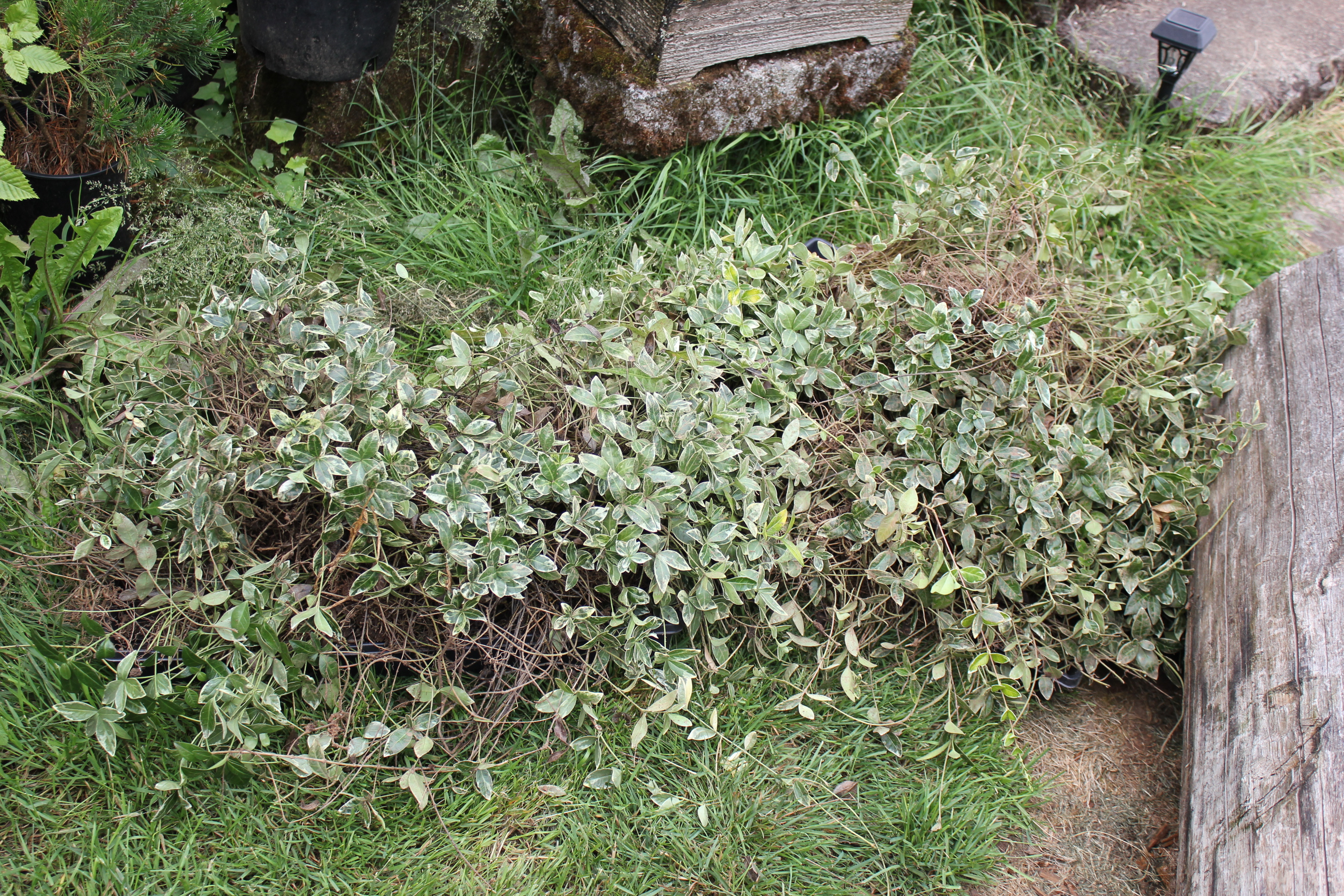
I saved three flats of Myrtle.

I asked my husband what he thought I should do with it. Put it out on the street with a “free” sign?

He said, “Plant it under the lilacs.” He hates mowing under the lilacs. It grows slowly. I don’t have to give up the Periwinkle entirely. It’s a win-win solution.

I’ll do that next weekend. I’m too tired to think about it now.
Read Full Post »