Feeds:
Posts
Comments

Posts Tagged ‘plant sale’

Rain, rain, rain. Weeds, grass, plant sales. March and April are months when the sun comes out and warms the earth, then the rain comes down and soaks the ground. We still have frost some mornings and other days we can break out the shorts and t-shirts. I keep trying to find good subjects to write about.

A summary of my weeks:

The Native Plant “Sale” was not a plant sale. Tables of pamphlets and flyers from every conservation and forestry group within fifty miles, a few tables hawking garden tools, a lot of free evergreens (Noble fir and Douglas fir for the most part), and one single, lowly table with a few native plants that I have already dug up in the woods and started at home. Waste of time.

On dry days, I have argued with the different grasses, but the soil is saturated and weeding just isn’t productive.

Veteran gardeners in the area know that you don’t start setting out plants or sowing seeds until after Mother’s Day (a few cold crops are excepted but I’m not a vegetable gardener). It is far too muddy to rototill the veggie plot and make the beds, at least in our yard. We did get some pruning done, but I have already posted about that.

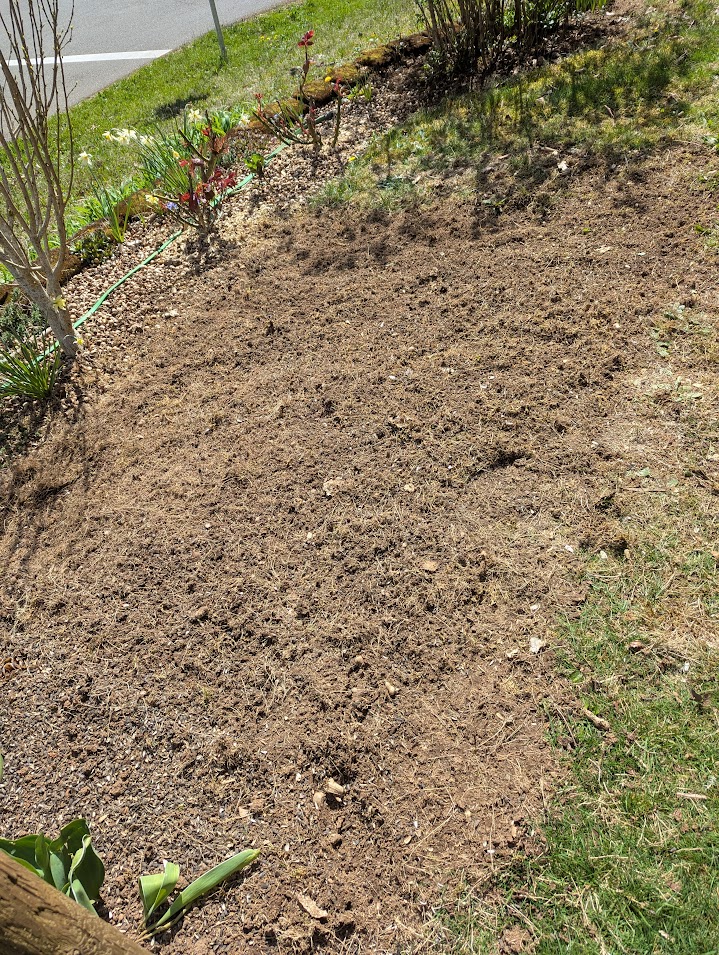
We had a three-day streak of lovely dry weather last week, but three days is not long enough for the saturated earth to dry out sufficiently for weeding or tilling. I did pull up cardboard from a couple areas in the hopes the ground would dry enough for me to try my nifty new electric hand tiller. It was not long enough. But I still tried.

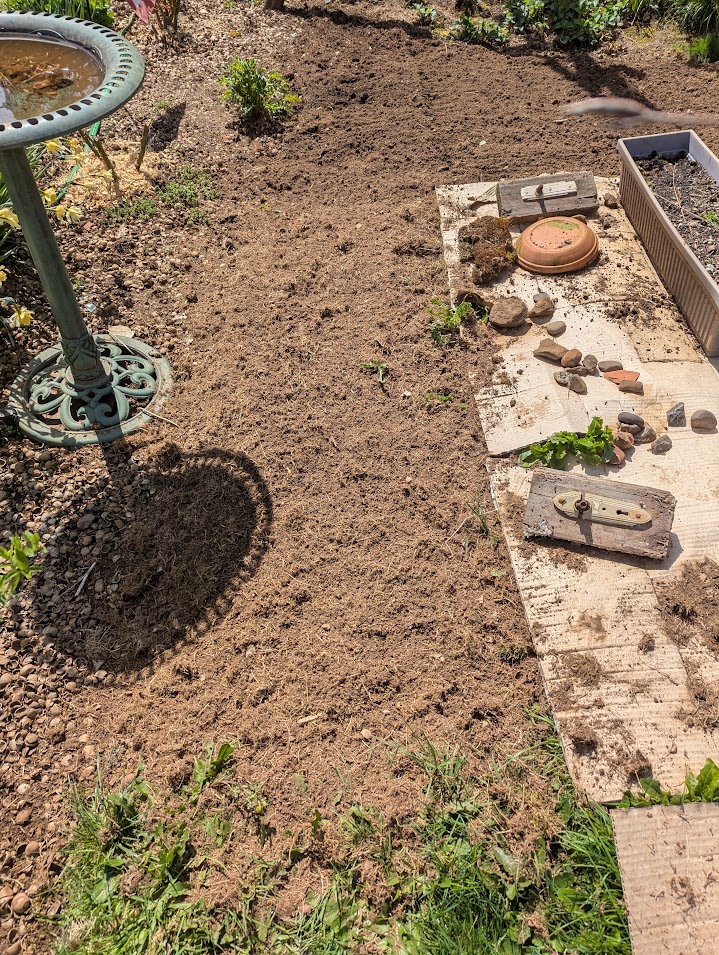
The tiller works reasonably well on sod, but the mud clings to the tines and I had to stop three times, unplug the tiller, and clean out the tines for another go at it. The tiller tends to bounce along the surface, not really digging into the hard clay so I can see myself making several run throughs to get the ground broken up enough to plant. But where I’ve already done the work of removing the sod – oh, that tiller LOVES to dig.

Native bees are starting to come out of their hives: a field of mining bees in the neighbor’s yard was buzzing with happy bees in the sunshine and our paper wasps have returned for another year of building nests and pollinating flowers. We have even spotted a few tiny butterflies, too small and too quick to identify. I was attacked by thrips one afternoon (apparently, they like beer and human flesh). Hm. Will need to watch for plant damage from those pests!

The turkey vultures have returned. I love the turkey vultures. The bald eagles are sitting on a nest in the nearby wild park, but we see them soaring on thermals on nicer days. The crows are rebuilding a nest across the street. And three pairs of small songbirds have scoped out the little birdhouse under the grape arbor!
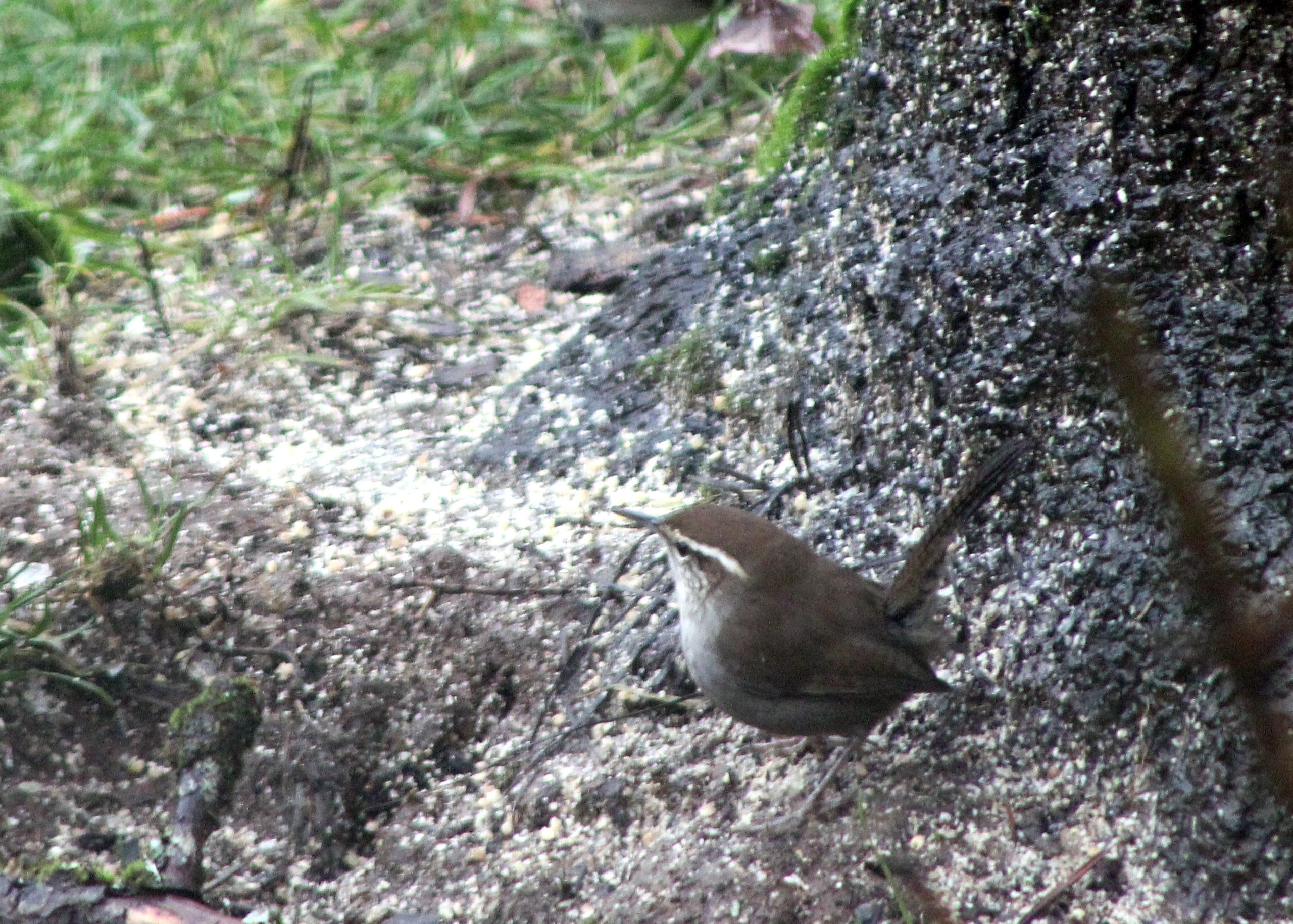
We’ve seen white-breasted nuthatches look at it, and yesterday the chestnut-backed chickadees tried to claim it (the black-capped chickadees raised a brood in it a few years ago – photo on the right is from then). But the Bewick’s wrens (photo on the left) have first dibs this year! When the chickadees used it, they didn’t bother with a nest or any filler: those little eggs and hatchlings grew up on the hard wood floor. But Bewicks have carried grass, stems of last year’s goldenrod, and feathers into the little house until the lip of the nest is even with the little hole on the side.

I don’t think the birdhouse is actually meant for birds, just for backyard decoration. There’s no hinge to lift for easy cleaning in the fall, for one thing. We’ll have to completely dismantle it this fall in order to clean out the nest debris. But we love that it gets used and now I think I need to find a couple more similar sized bird houses for the nuthatches and chickadees!

Finally, we have a huge plant sale coming up the end of this week, and this one really IS a plant sale: “Garden Palooza” out at Bauman’s Farm. We go every year and every year we find unique plants to add to the garden as well as the few annuals I like to grow (petunias and nasturtiums). They aren’t very strong on native plants, but I would like to find some creeping phlox and some “walkable” ground covers to grow between pavers. I have some more room for sempervivums in my rock garden as well.
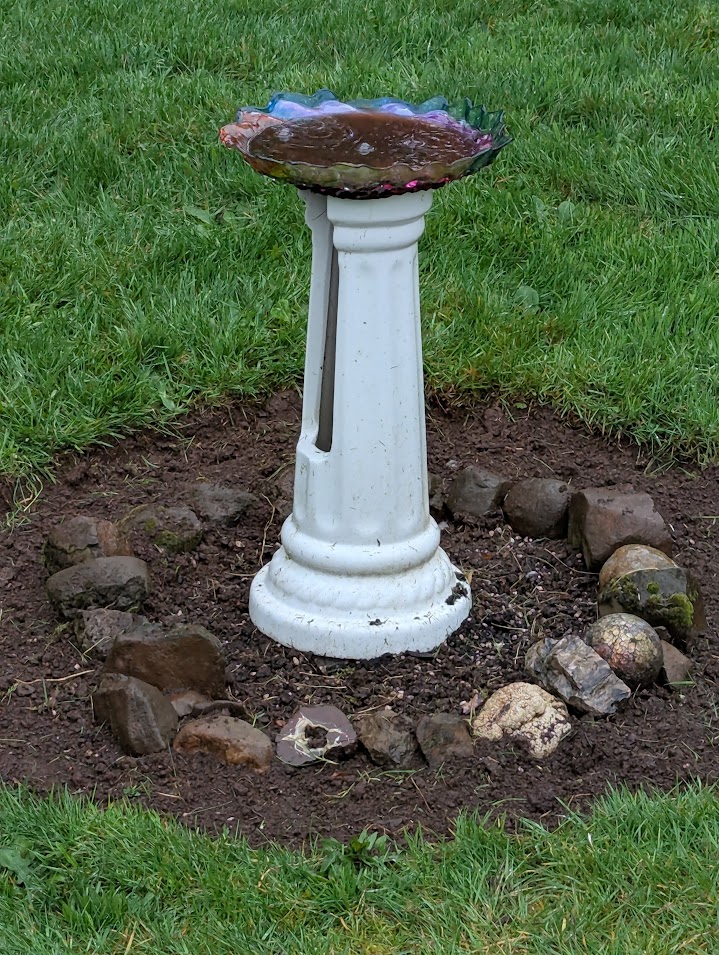
Last, because it was nice out, I glued to decorative bowl back onto the porcelain pedestal for a pretty bird bath. The crows found it as soon as it filled with water and they immediately picked up peanut-laced dog poop to wash in it. As I have no hoses out yet, the water remains gross and smelly.

I love crows…Until I don’t.

Read Full Post »

017

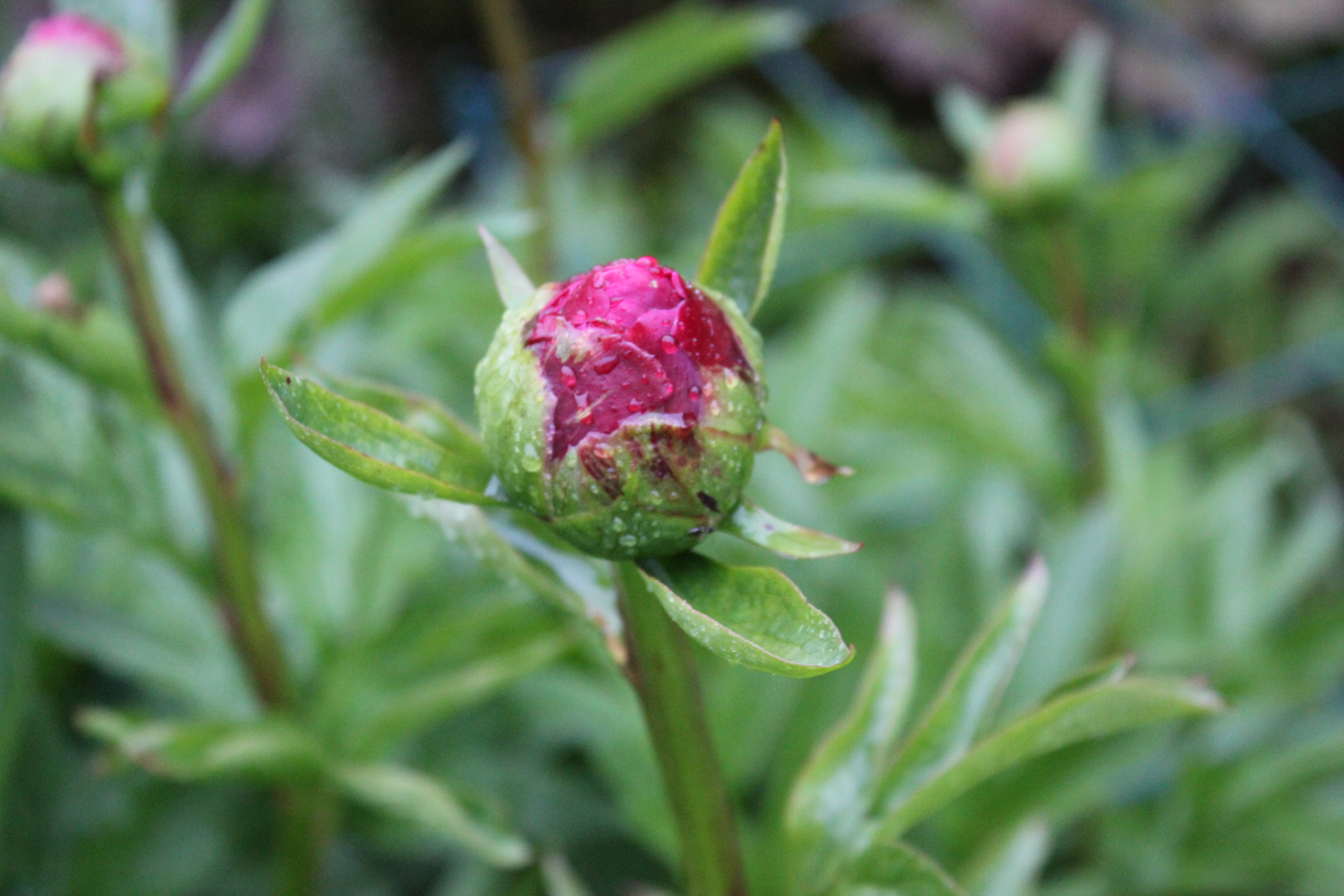
This is killing me. We had a wonderful warm spell when all the peonies grew rapidly and buds began to form, and then (as usual) – cold spell and days of rain.

016

The peonies hover on the edge of blooming, teasing me. It will be 80 degrees (F) on Wednesday next week, and they will suddenly open up in profusion, the whole lot of them, and I am afraid I will miss the glory because I will be in the office, working in my little corner cubicle.

006

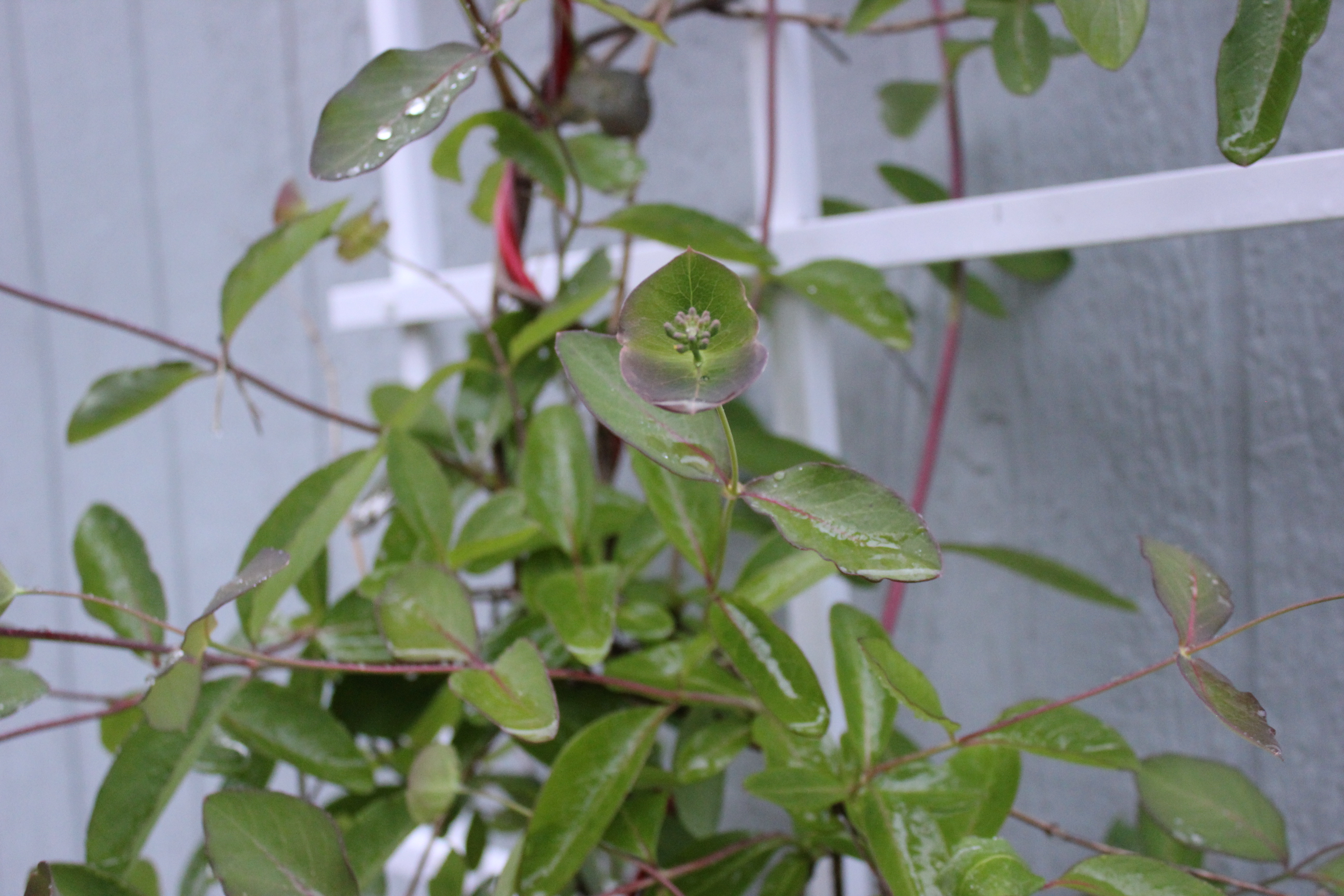
The honeysuckle is really “hovering”. JUST BLOOM ALREADY!

008

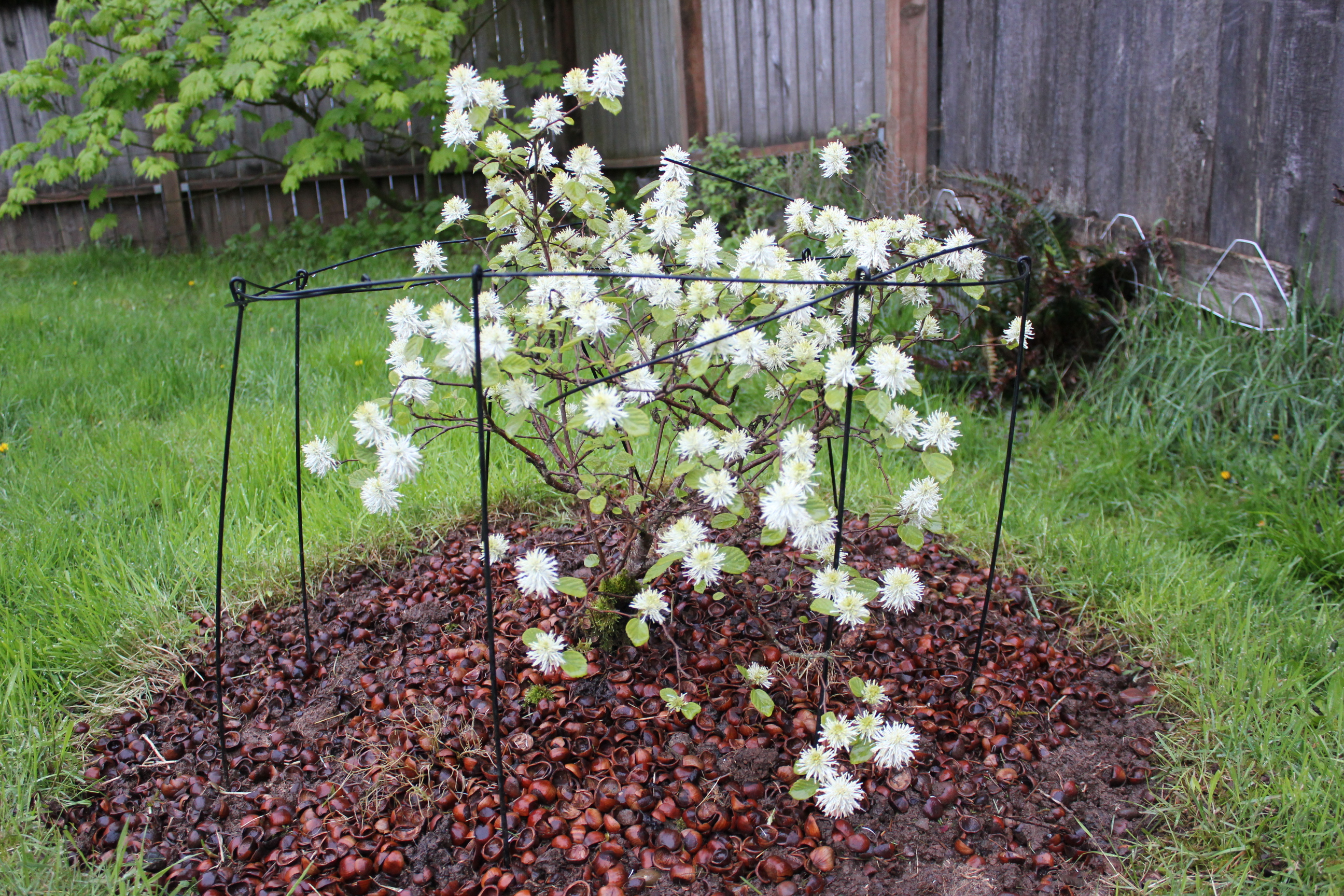
This is my Fothergilla that I purchased two years ago at the the Clackamas County Historical Society Plant Sale. It is gorgeous this spring! I cannot wait for it to be a full sized bush that I no longer have to protect from male dogs.

Last year, I drove by the Plant Sale on some other errand and realized I was not going to be able to peruse the offerings. I didn’t even know it was about to happen and I felt cheated. It’s like an annual yard sale that might have good things and might not. I always spend at least $5 there. It isn’t where the proceeds go (although I love the Historical Society and the museums here in Oregon City, the End of the Oregon Trail), but it’s that most of the offerings have been dug out of someone’s yard and I am so touched that they would share their abundance so cheaply.

005

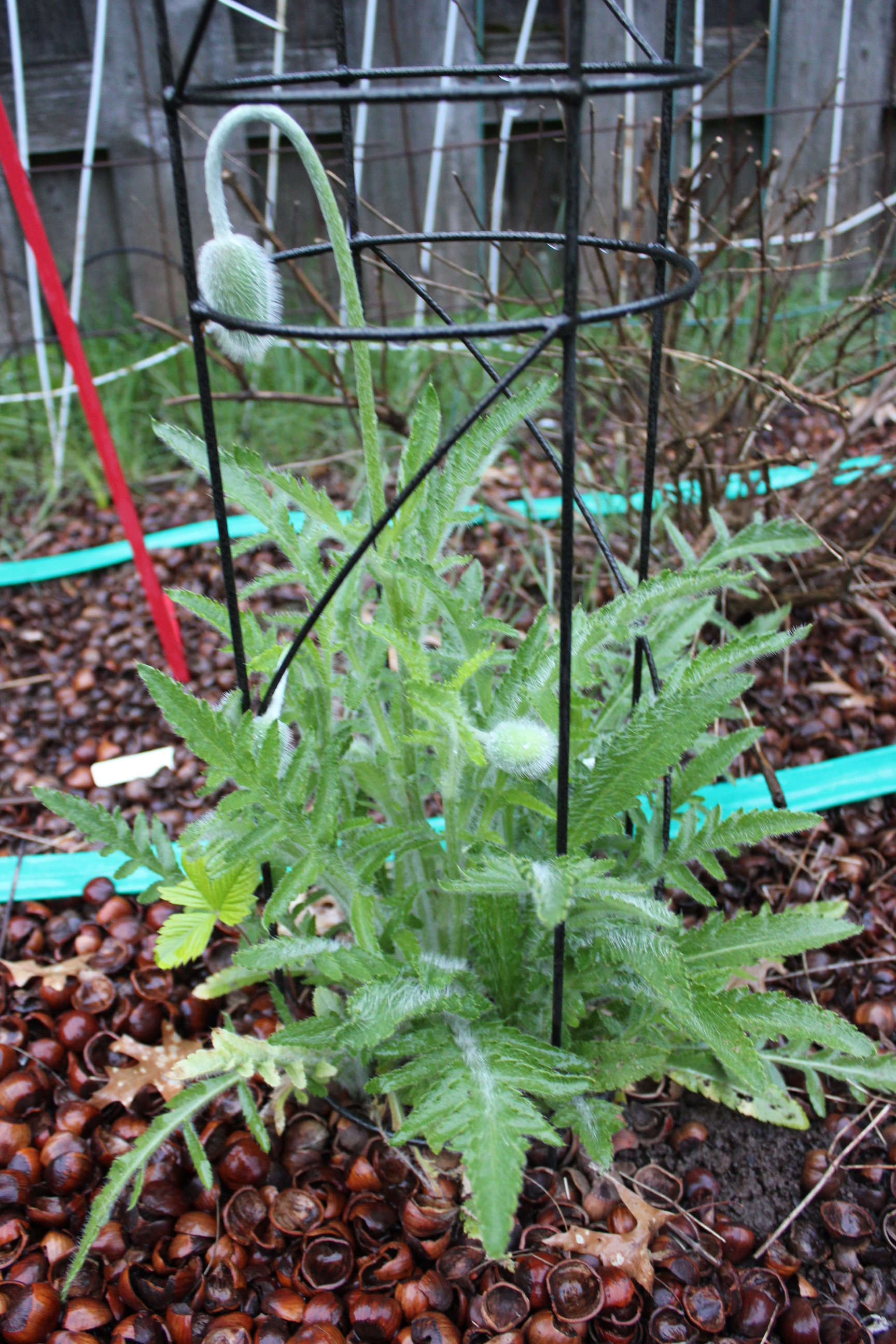
My Oriental Poppy from two years ago is about to bloom. Another Historical Society find.

007

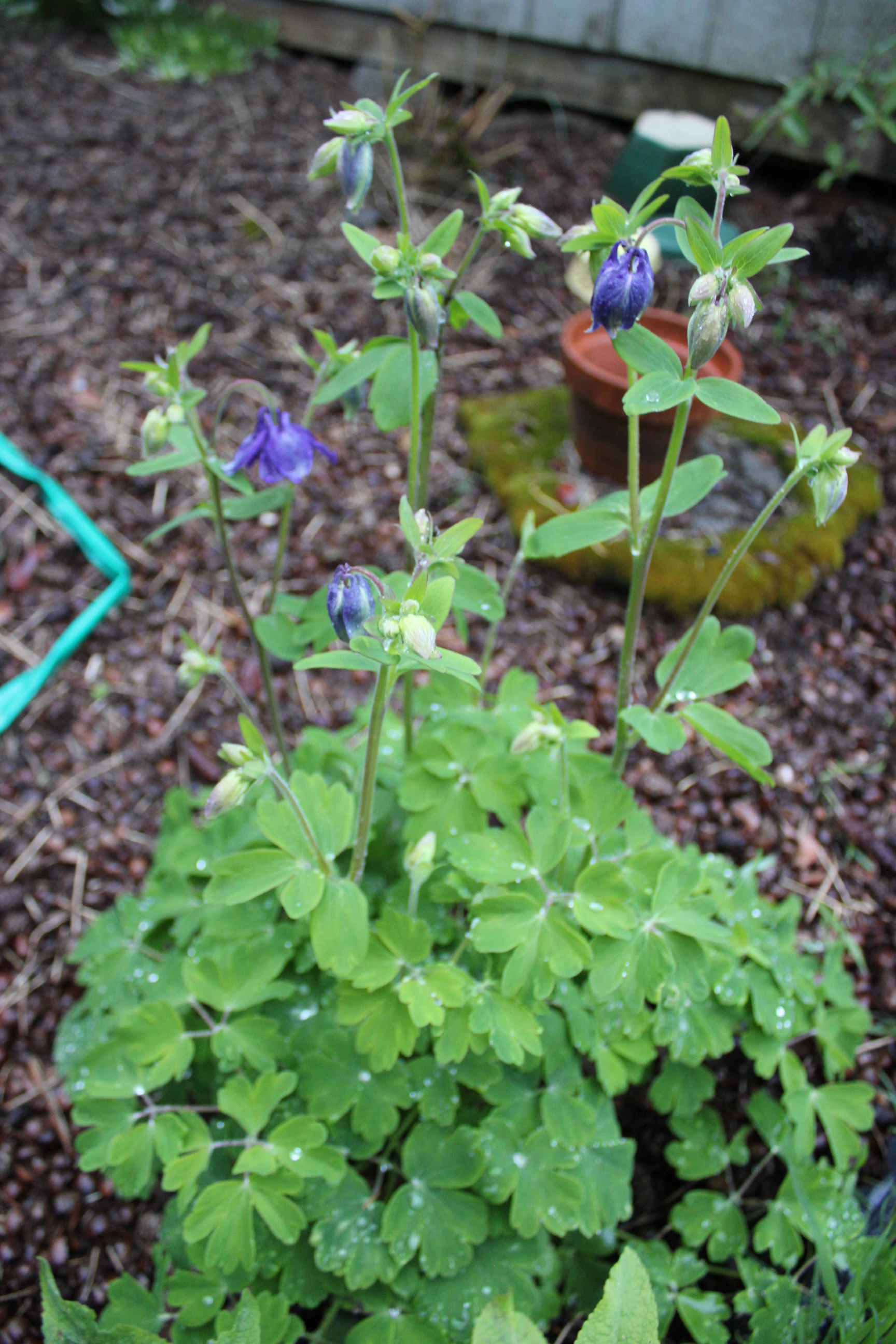
Columbine I bought from the “ladies” of the Society.

Sure, much of the offerings are things I could dig up and haul down to offer, too: irises, wild strawberries, Shasta Daisy – things you can’t kill even if you have a black thumb. There are the hellebores (I lost count of how many I have purchased from the Society, but one actually lived and is blooming profusely in my garden even now). Roses – I’m not ready for roses, yet. They require a well-tended bed, full sun, free of weeds. I know where I’m going to put them when I am ready for them, but I’m not ready.

They had Italian prunes this year. I wanted an Italian prune. I just have to decide where one is going to go. I love Italian prune plums. I’m not a fan of other plums, but these deep purple, almost black, ones are the best. I had to Step.Away.

I missed the sale this year, too. We were on the way to a funeral when I saw the signs. DAMN. But the funeral ended with plenty of time for a stop at the plant sale and I dragged my husband to the Stevens-Crawford House. (That was a really lucky link to come on to! I was thinking “Wikipedia” and got someone’s actual review of the museum. It’s really pretty cool.)

We spent $17.

001

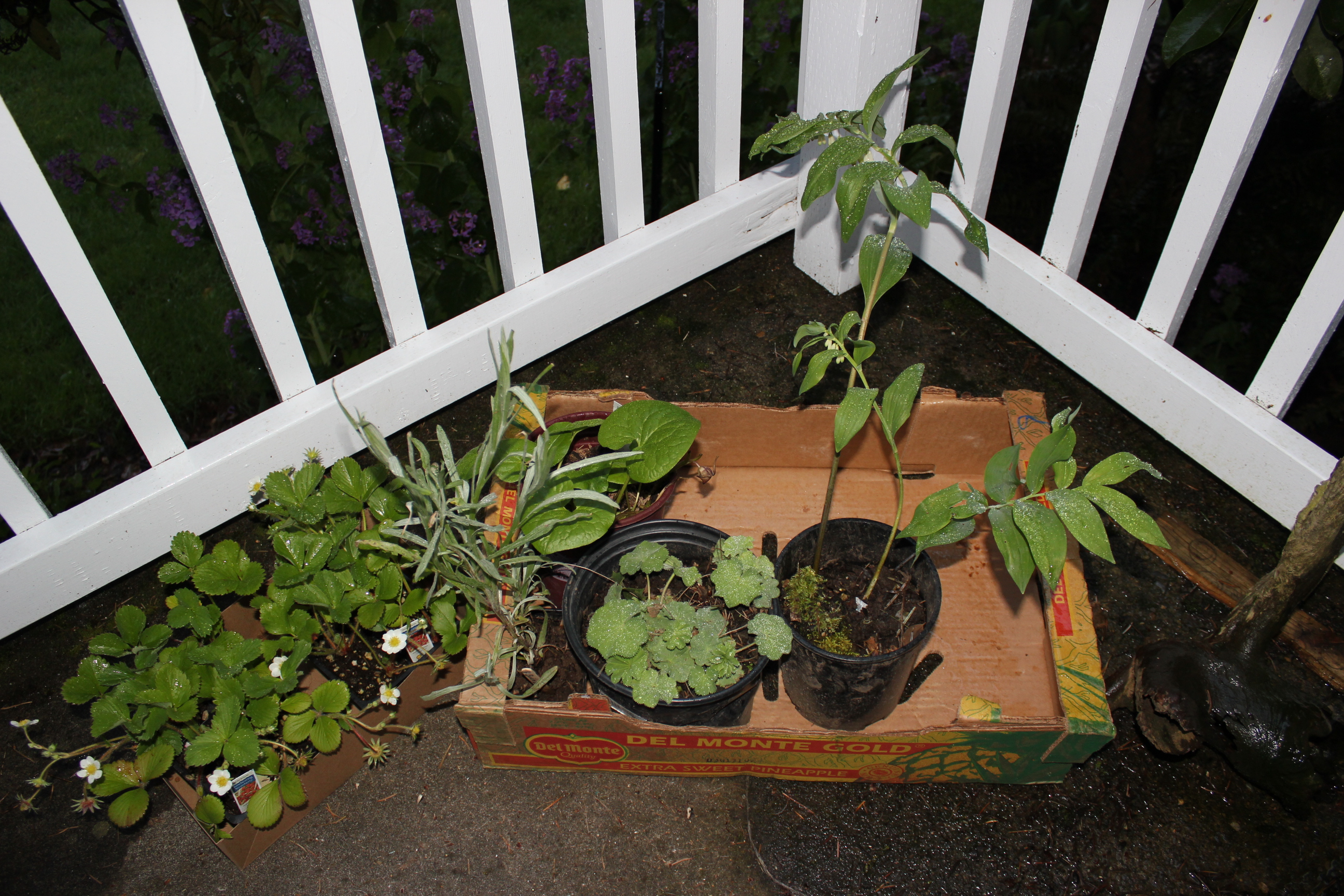
The strawberries were purchased elsewhere. : Bachelor Buttons, wild ginger, Ladie’s Mantle, and Solomon’s Seal. Now, I know you can plant Bachelor Button seeds. My father considered them a weed. He made us dig them out of the strip of land between our sidewalk and the city street. I hated him for it. they are beautiful flowers. (So are Hollyhocks, another “weed” he made us dig up.)

I will plant the wild ginger back in the back corner, in my prayer garden.

002

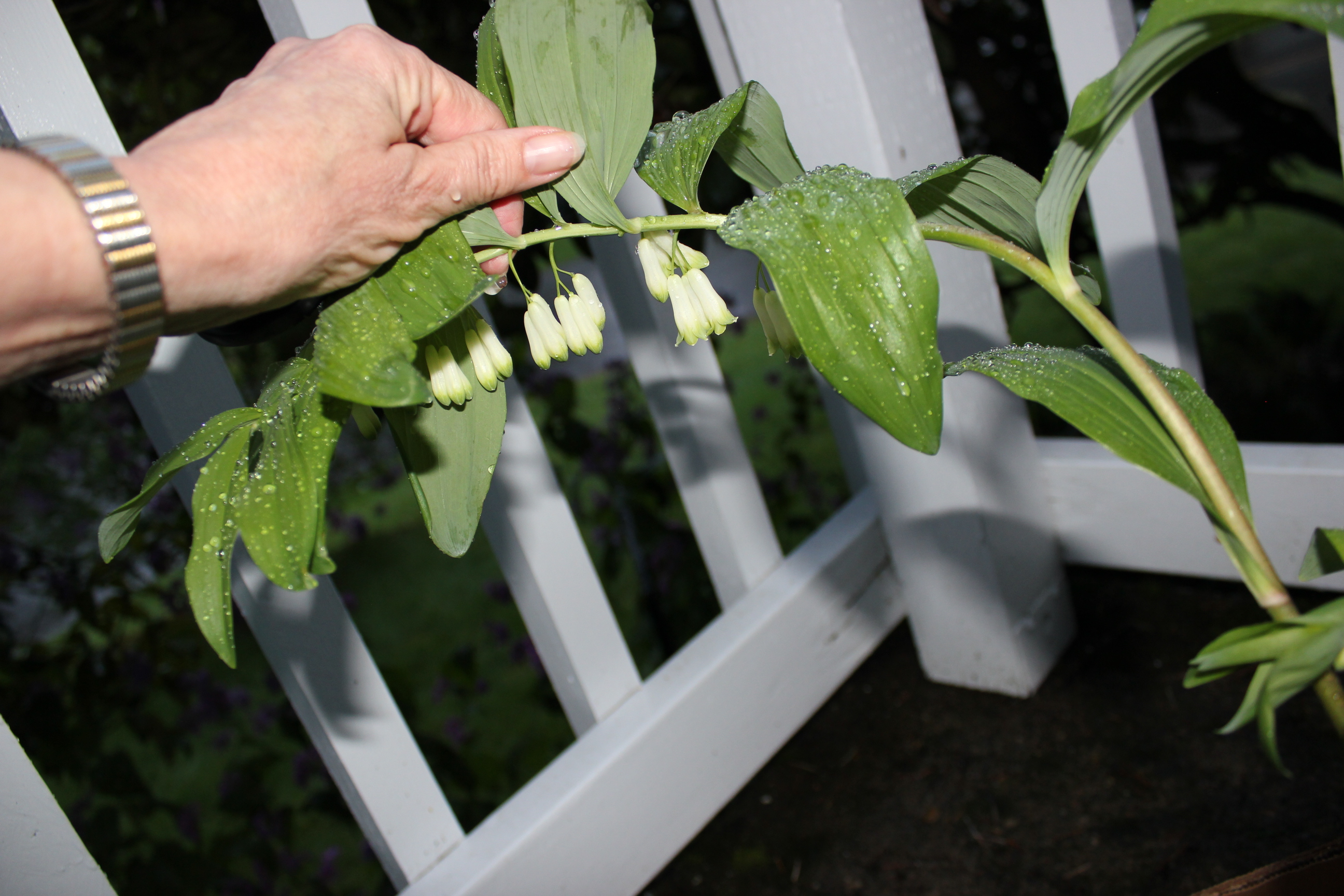
I bought the Solomon’s Seal just because of these flowers. This is a mature plant. Beautiful!

003

I don’t know why I bought the Lady’s Mantle. I had to google it. I love the leaves. I know I will explore this treasure some more after my brief search on the Interwebs.

012

I do have flowers in bloom. Chrystal threw a bunch of seeds off the deck many years ago and I still get the plants every spring. I call them “Honesty” plants, but others call them “Money Plants” or “Dollar Plants”. They make great cut flowers.

013

Both lilacs are in full bloom. This leads to a digression. I have a coworker who grew up in the Ukraine. She’s probably 20 years younger than I am but we share a lot of common “folk” knowledge and plant knowledge. Recently, I took a bouquet of lilacs to work: wonderful, fragrant, lilacs.

My coworker commented that they had lilacs in the Ukraine. I asked her if they ate the blossoms? We always picked the little purple florets and ate them – sweet, sweet delight. She told me something that I did not know.

014

Most lilacs have only four petals on the florets (or eight, on the doubles – I have a double, not pictured). You don’t eat the four-petaled florets. You look for the ones with five petals.

015

Then she showed me. Lo and behold. A “lucky” lilac floret. That is the one you eat.

Isn’t that a cool bit of trivia?

017

Now, if only these would get with the program!!


Read Full Post »