Feeds:
Posts
Comments

Archive for the ‘gardening’ Category

Today was a wonderful day to get lost in the garden. My soul needs to get lost. The day-to-day pressure of this life wears on me. Dirt under the fingernails is healing.

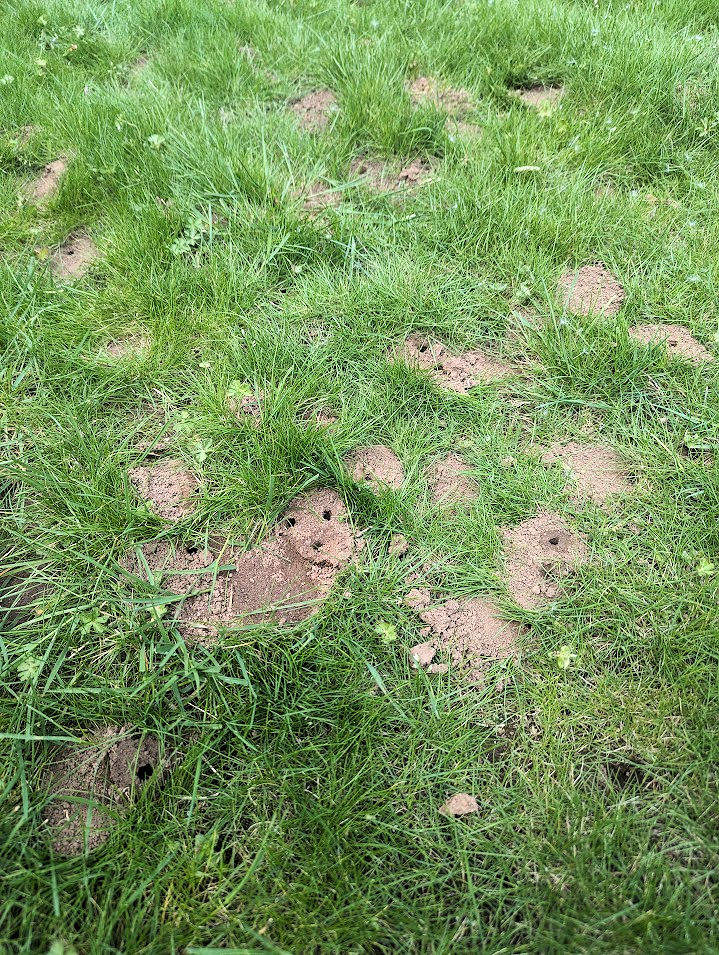
We discovered the neighbors have a small field of mining bees nesting in the bit of yard just north of our fence. There must be over a hundred little holes in the ground where the bees are laying eggs! Fortunately, this is the one neighbor that is an organic gardener and is interested in preserving native pollinators (especially as this species of bee is stinger-less and very laid-back).

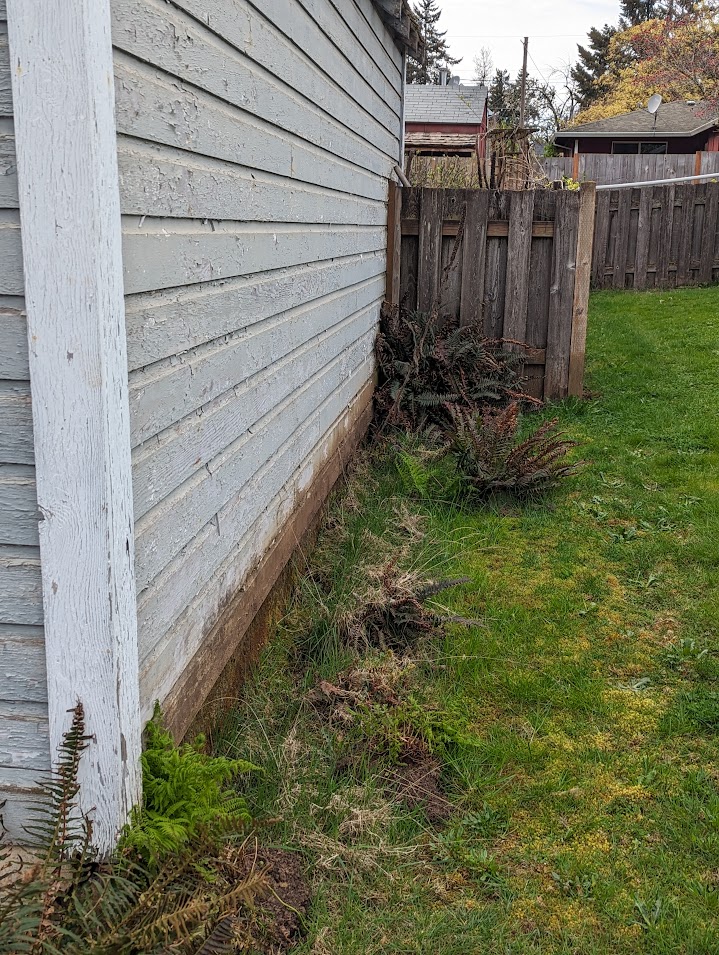
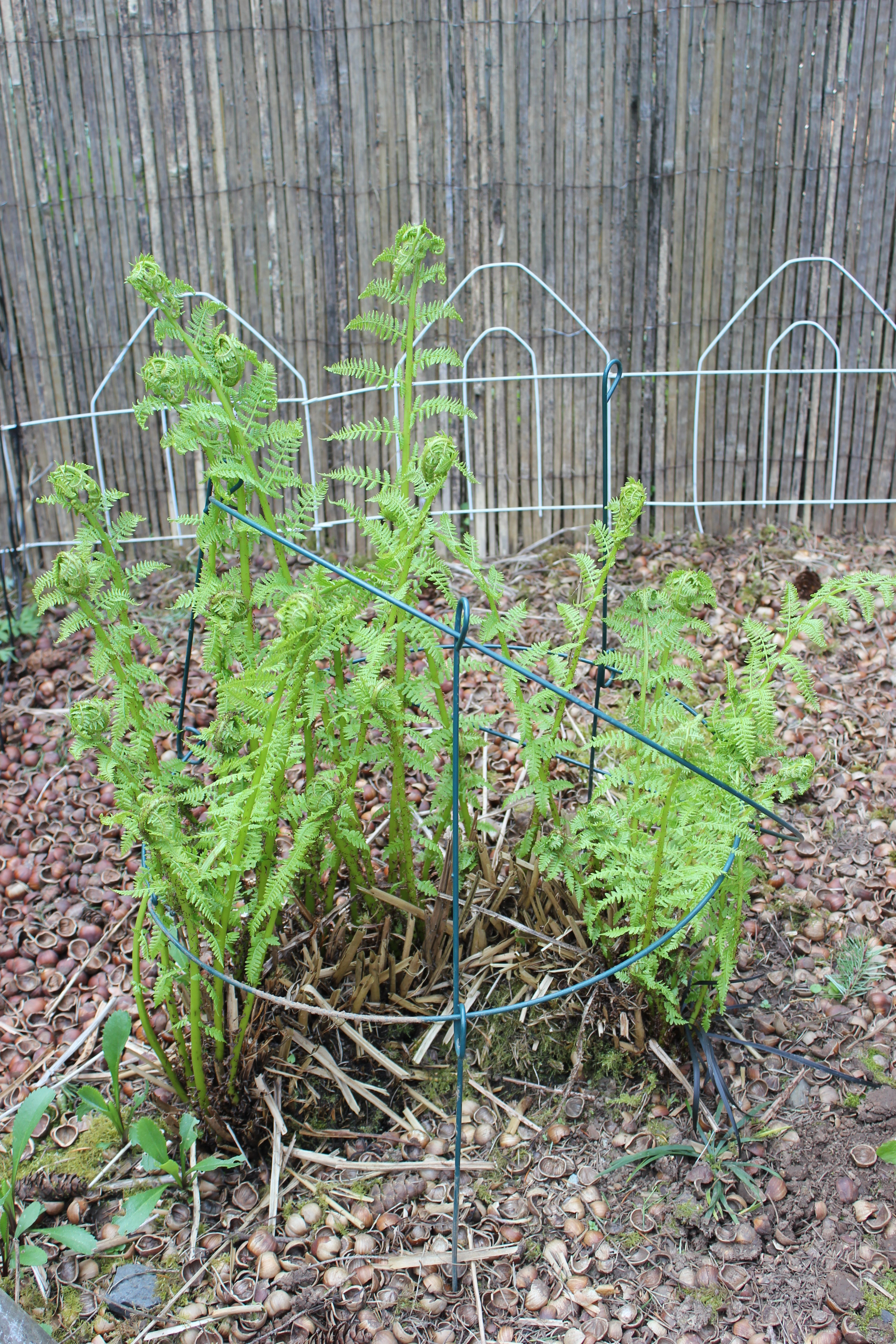
I planted four sword ferns on the north side of the garage, in that little strip of land that is ours but is a set back from the property line. The idea is to fill it in with ferns so neither the neighbor nor us will have to mow the lawn/weeds that grow there. We forget about it, and it isn’t their responsibility. Ferns the size of VW Beetles is the logical answer.

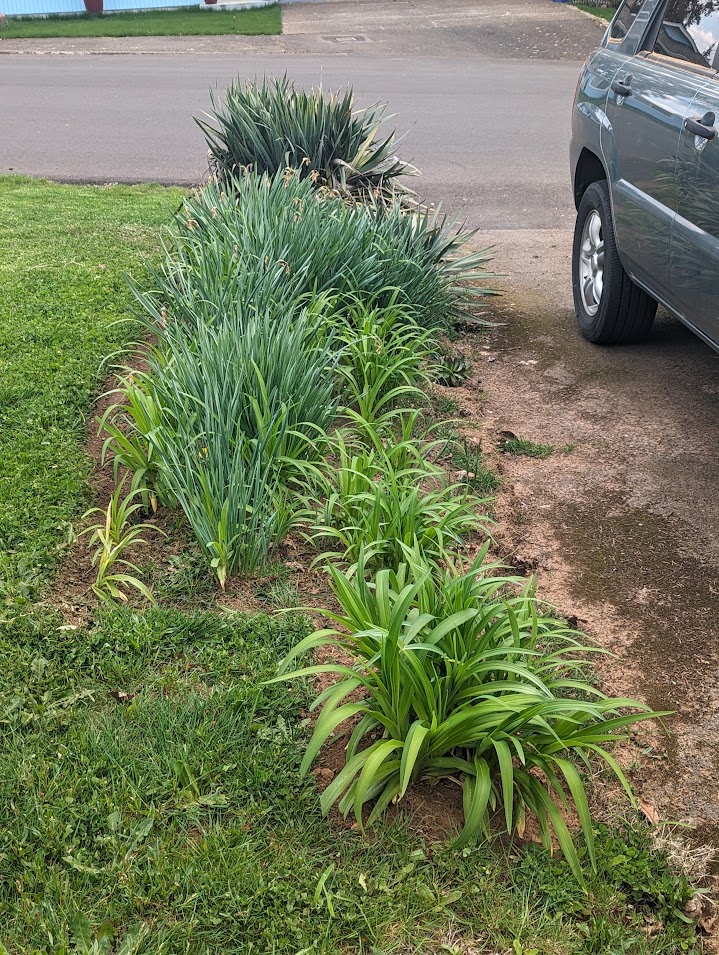
I filled in the part north of our driveway with orange daylilies and daffodils last Autumn. The yucca has been there 20 years (I planted it). There is still a section of about 4×3’ that needs to be filled in, but I’ll get there, eventually.

I fulfilled a promise today, too. I made this promise ten or fifteen years ago: that I would obtain a blackcap raspberry from the wild for a friend in North Portland. My husband brought me two blackcaps last Fall and I was able to gift her one. Her husband picked it up today.  

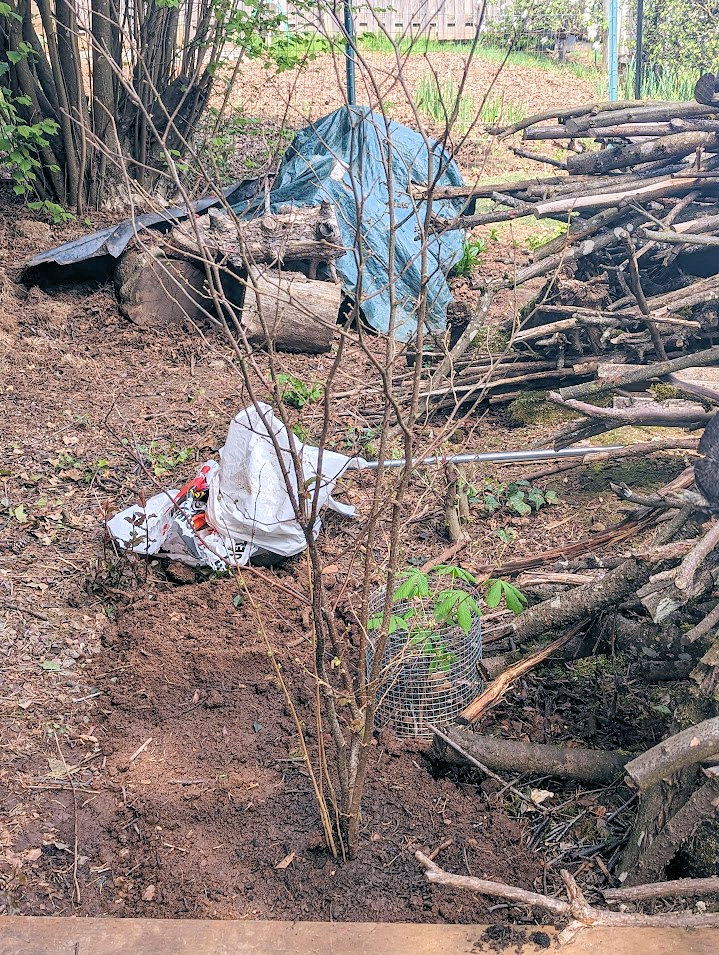
My husband put two filbert saplings into the ground. Our lone filbert produces hollow hazelnuts, Guess you need more than one filbert in order to have meat in the hazelnuts. It only took us 18 or 19 years to figure that out and another few years to find a source of free filbert saplings.

He buried my hardy fuchsia when he planted one of the filberts. In his defense, he did not see anything growing right there: the fuchsia doesn’t begin to put up stems until late May. I saw it right away and carefully scraped all the soil off my precious flower. I’ve had it for 20 years!

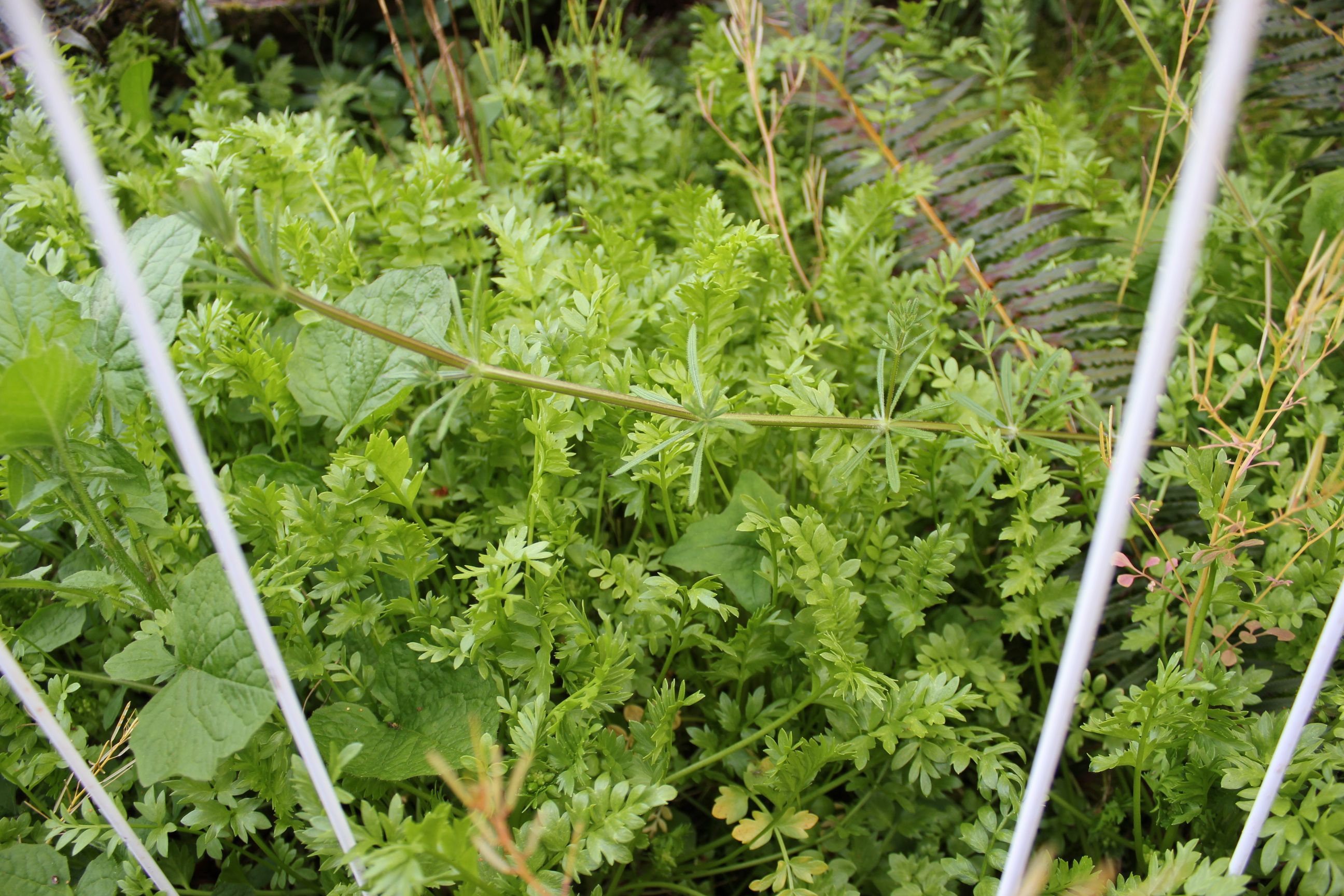
Warm weather came on so quickly this year that I have fallen behind in the weeding department, especially with the chickweed. It is already gone to seed. At least this year I am not battling a ton of grass that migrated into flower beds, and even if the chickweed spits seeds everywhere when I pull it, I will still be able to get ahead of it in the coming months. That is, if one ever does defeat chickweed! It pulls up easily even as it spits hundreds of seeds into the air.

I did more, but mostly I just didn’t think. I didn’t think about our losses. I didn’t think about the day-to-day worries. I didn’t worry. I just smelled loam and leaf, apple blossoms. I watched blue orchard mason bees collecting mud from under the stone wall out front. I reveled in the city of mining bees next door. I let earthworms crawl away. I talked to the crow that came to watch me.  I stayed in the moment. And that made today a wonderful day to garden.

Dirt under the fingernails. Better than a manicure.

Read Full Post »

It is that time of year when an organic gardener’s thoughts turn to soil amendments, natural slug repellent, and turning compost so that the soil at the bottom of the heap can be used. We also turn our heads and slam on the brakes at every plant sale we see, especially if there might be native plants to be had. We know if our garden spots are shade, wet, well-drained, full sun, part sun, clay, or well worked topsoil. My flower beds are all of those listed.

I have a list of plants I want. I always have a list of what I want to do in my flower beds. The vegetable garden belongs to my husband. He always has a list of the vegetables he wants to grow. Have list, will shop.

This year one of my goals is to completely fill the useless spot just north of our garage with sword ferns. It’s a three-foot mandated distance between our garage and the adjacent property line. No one wants to mow it. Full shade. No available water. The only true solution is to plant sword ferns and allow them to fill in the spot, kill the grass, and end the need for mowing. I have been adding small ferns to the spot over the years but this year I have four large sword ferns donated by a friend from his pasture. If I plant them now in the cool weather they will be established by summer and there will no longer be a need to mow north of the garage. Minimal maintenance, win-win for both parties.

Last fall I filled in the sunny portion of that piece of property with orange day lilies. I also have a magnificent yucca plant growing there. I picked the yucca up out of a FREE pile in front of a house one day. The orange day lilies were given to me by someone. There are daffodils growing there as well, a gift from the previous owner of this house. No more mowing a section of our lot that is difficult to get to and maintain. Ta da!

Minimal maintenance.

I took my list to a plant sale last weekend. It was a fund raiser for a State Park nestled in Lake Oswego. The prices of the (mostly) natives was more than I cared to pay, so I walked out empty-handed and right into the arms of a group giving away bare root saplings of “native” trees and shrubs. I turned down the witch-hazel (and later learned it is not a native to Oregon, although it is indigenous to parts of North America). I already had a mock orange that is two years old and establishing itself. There were a couple others that I questioned as to whether or not they were truly natives. I settled on three bare root plants: black gooseberry, a dogwood, and Indian Plum.

The dogwood is not the native Pacific dogwood, but a Florida import. Say, what??! Oh well, it was free, and I picked out saplings small enough that my husband can work his Bonsai magic on them. I was the only person standing around that had any idea what I was getting with the gooseberry. I’m more familiar with the yellow kind from the more arid side of the State, but this is a native from the Oregon coast – and a gooseberry promises tart berries perfect for a pie. I may have to make a gooseberry/huckleberry pie: I have an evergreen huckleberry (also native to the coast) that produces tiny berries in the late fall.

The Indian Plum is not a plum but produces tart berries that look similar to plums. It was a subsistence plant to the tribes of the Pacific Northwest and is one of the earliest flowering bushes which is a boon to the native pollinators. I’ll figure that out if and when it bears fruit. It can just be an ornamental for now: a native ornamental and attractant to pollinators.

My list incudes two lavenders: a Spanish lavender and a French lavender. I had both in my garden and they both died. My Spanish lavender was over 15 years old. I think I simply had the French lavender in the wrong part of the yard. I also want to get a second campanula, toad lily, phlox sublate (McDaniel’s Cushion), curry plant, and Chinook hop. I need a new rhubarb: the one I have doesn’t grow tall now produce long juicy stems. I’d like to add oxalis and bunch berries to the shade flowers. I also have some annuals on my list: petunias and climbing nastrutiums.

I purchased 19 packets of herb seeds from Mountain Rose Herbs. Those are waiting to be sown. Not for today. I bought the nasturtium seeds from Reneé’s Garden. The Chinook hop from Thyme Garden. The rhubarb is coming from Gurney’s. And the rose I bought from Jackson Perkins is showing some signs of life… (All of my English tea roses are from J&P, this one was a replacement for a floribunda I didn’t like. The floribunda went to a good home. This rose is also on probation until it starts growing…)

Today was the first day of Garden Palooza, a large plant sale south of here, almost to Salem. It is held at Bauman’s Farm & Garden in Gervais. I set aside a certain dollar amount and hope we don’t go over budget, but this year we were way under budget and came away with more plants!

I found both lavenders. My husband found the tomato starts he wants. He also found a pretty campanula for me. The one I currently have is a blue color: Serbian bellflower (campanula poscharsky). The new one is Birch’s Campanula and it will be a pretty purple color. Bauman’s also had so many pretty petunias! I found a full sun ground cover called Creeping Baby’s Breath (gypsophila cerastiodes). Drought tolerant. I need so many ground covers, they do a much better job than bark mulch at keeping the soil moist and weed free. Also, as perennials, the ones I pick out will last longer than bark or hazelnut shell mulch.

Oh, but the best buy of the day? Don found a tree peony for $24. Not $240 or $140, but $24. Tree peonies are not inexpensive even in a year without inflation. There are three old ones in the yard presently along with at least 80 other peony plants. I’m told the yard had more peonies but that was when Barney Schultz lived here, and he died over 30 years ago. The house sat empty, was purchased and flipped, and the grass killed so many peonies during the years of neglect. Then we bought it and I have single-handedly cleared all those peony flower beds, carefully divided tubers, and coaxed those beauties to new life. In short, I don’t need another peony or tree peony.

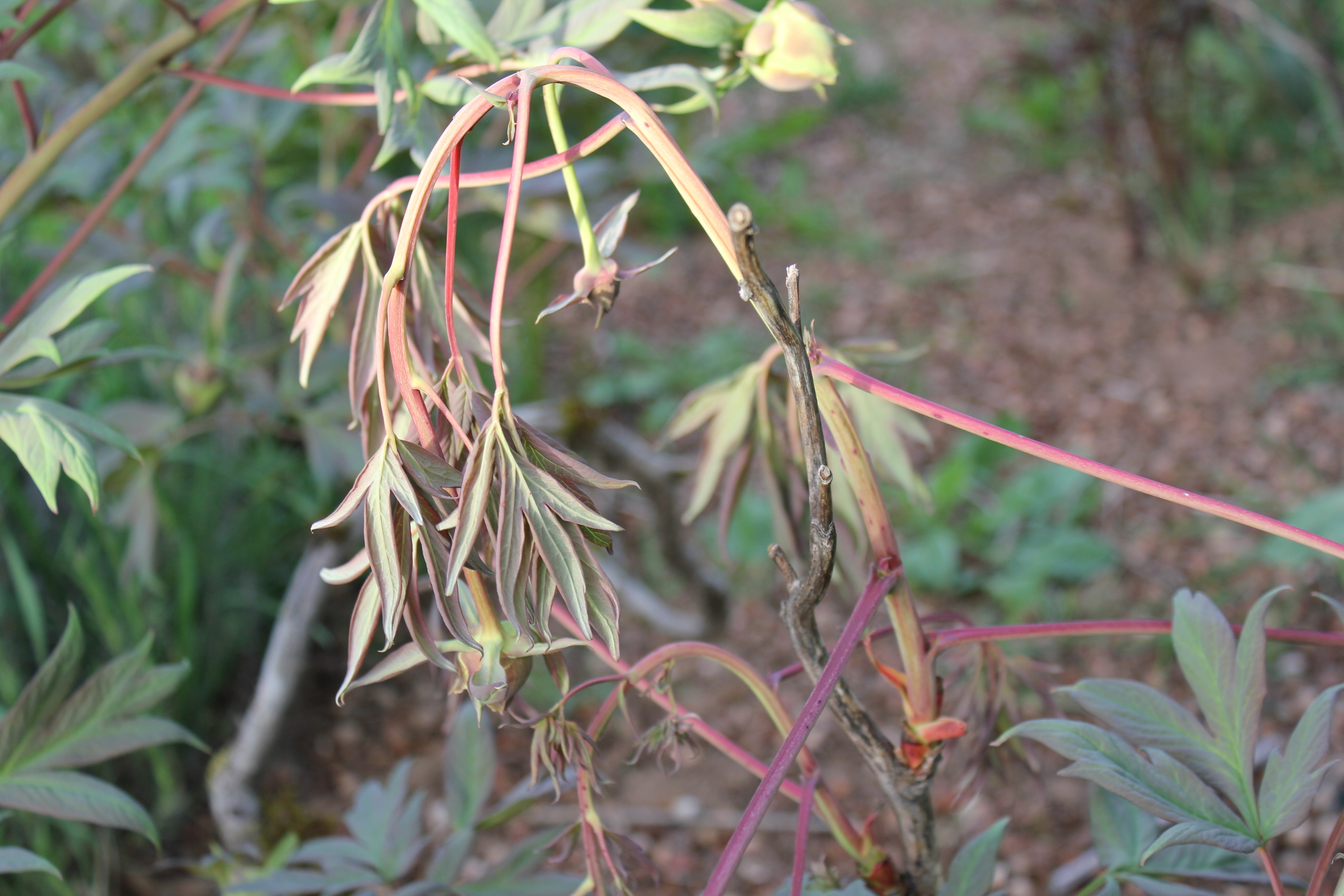
But $24. Gallon pot. Paeonia lutea var. Ludlowii (Tibetan Tree Peony). It’s young and I may have to wait a few years to see the large yellow blooms it promises. My other tree peonies are white, cream, and pale yellow fringed with red. Of course I bought it.

Our friend gifted us with two filbert trees as well as the ferns. We already have one filbert but the hazelnuts have never produced nuts. You learned you need more than one filbert. (Side note: the trees are filbert trees, the fruit is referred to as a hazelnut.)

So much planting in the near future. And making of larger flower beds to accommodate the 19 varieties of plants I purchased in seed form from Mtn. Rose Herbs.

The next big plant sale is the first of May.

Read Full Post »

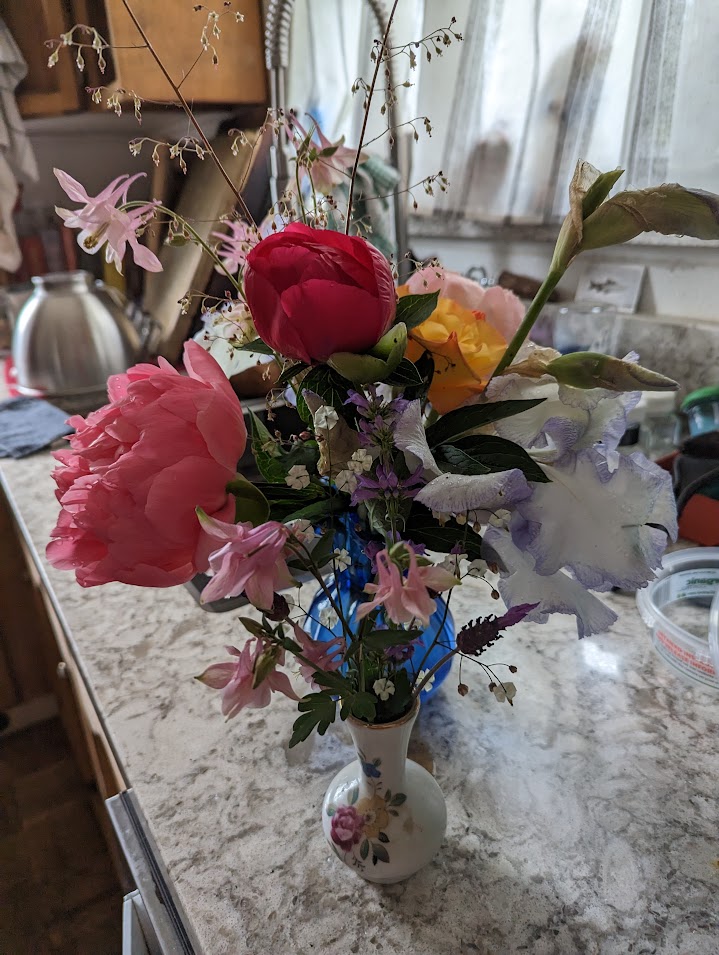
We went from a cold and drizzly April to a dry and sunny May. The garden has “popped” as they say. Flowers galore. The daffodils faded and the grape hyacinth followed them closely, then the blue and white hyacinths. The heat came on and the peonies reached for the heavens. The heat turned down and the peonies are hanging on to their blooms: blood-red, deep magenta, salmon pink, cotton candy pink, yellow, and white. Bomb peonies, doubles, triples, and tree peonies. Now the irises are clamoring for their time in the limelight: purple, blue-and-white, purple-and-yellow, yellow. Dutch, wild natives, Japanese, and flag. Out front, the geraniums and Solomon’s seal are in full array of pink and white and green.

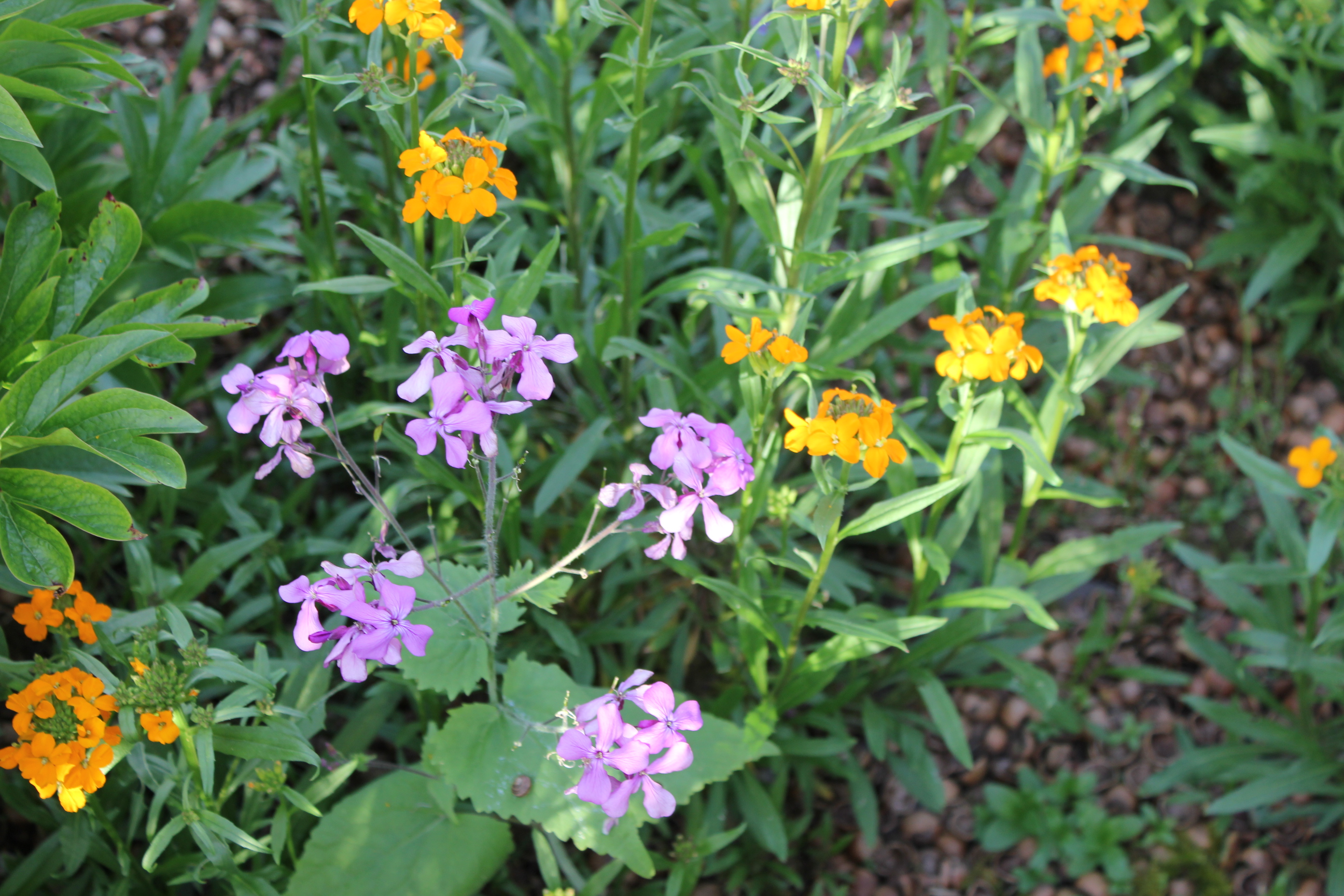
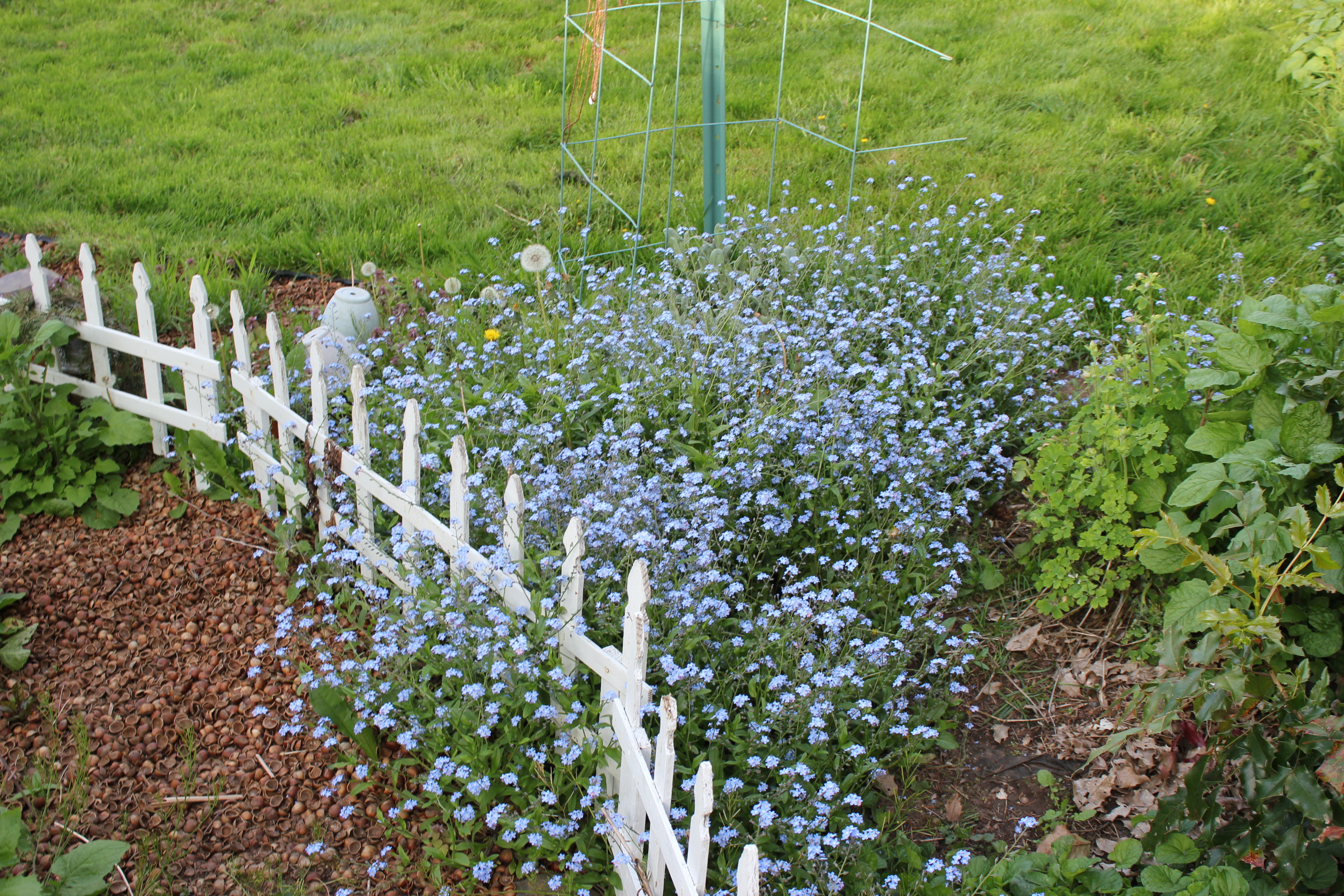
The tiny flowers as well are in their glory. The native forget-me-nots and the commercial ones, the inside-out flowers, the bishop’s weed, and the poached egg flowers (meadow foam) are all on display. The native camassia has bloomed and faded now. Heucheras, or coral bells, wave their tiny fronds of mini blooms in the breeze, along with the fringe cups. Speedwells have blossomed and faded along with the sweet woodruff.

Pushing up from the ground to make the next display are the sages: pineapple and Jerusalem, as well as the phloxes, the Peruvian lilies, the crocosmia, the Shasta daisies, cornflowers, bachelor buttons, and dahlias. Then will come the milkweeds and the evening primroses with the scattered sunflowers. The four roses out front have swollen buds while the rhododendrons are finishing off their array of colors. The heavy scent of the lilacs has already faded with the memory of their color. The orange daylilies will put on a show in just about a month. The Rose of Sharon has greened out and will soon bloom with reddish-purple blossoms.

If I am fortunate, the mock orange with blossom this year. I am fortunate: there are eleven spikes of flowers in the bear grass clumps. The hostas will take their turn as well as the lilies: Easter lilies and Martha Washington white lilies. The honeysuckle is striving for its place in the glory of bloom.

There are few bumblebees, and this concerns us: the giant solitary ones are house hunting but the littler ones we have are scarce. But the tiny ground dwelling bees and the mason bees have been plentiful, and we have noticed honeybees here and there. The paper wasps have returned home – they are important pollinators. We always have a plethora of tiny, winged pollinators on hand, from hover flies to yellow jackets.

Birds. The crows built their nest just to the south of our fence. We’re certain they will fledge any day and our hope is that the little ones will not end up on the street below the nest or in our yard where the dog might find them. The juncos that nested on the ground beneath a peony have raised one fledgling. It now can make short flights and avoid the dog easily. The lesser goldfinches are building a second nest for the next brood of babies. We haven’t seen the wrens for a while but have heard them: hopefully they also raised some new babies. The secretive spotted towhee comes in daily for a bath in one of the many baths for birds.

This season of flowers and warm days is my favorite time of year: Spring into Summer in the Pacific Northwest. I ache to be on knee pads with my hands deep in the wormy soil, pulling weeds and coaxing new flowers out of the loam – one more week of being careful after surgery and I will be back at it. I will plant some annuals before then: my usual petunias and pansies need to be purchased and planted in baskets. My fuchsias over-wintered and I have planted nasturtium seeds in the hopes of watching those pretty (edible) flowers will soon grace my yard.

There are issues that need to be addressed: brown spot, aphids, black spot, fungus in the soil, bushes that are half-dead and hanging on that need to be pruned and babied back to life and moving plants from one area to another to better facilitate their needs. I will be doing that in June.

Don is prepping the vegetable garden for the rototiller. We need to build a retaining wall around two sides of that garden (I bought the stones in February of 2022). The apples need to be protected from flies and worms (we have special nylon “socks” for that). The crazy grapevine is bursting with little green blossoms that portend a great harvest later in the summer (I share liberally with birds and with the neighbor whose fence helps prop up my vines). Sadly, I lost my “blackcap” raspberry in 2022 and that needs replaced this year – I live for my raspberries!

OH! Did I mention my strawberries? No, I did not but I will now: I have two urns full and an accidental little strawberry patch by the A-Frame (where we hang bird feeders out front). LOTS of berries are coming on! Sweet Hood strawberries, the best in the world. I just need to keep the slugs at bay.

<SIGH>

Read Full Post »

Garden

The rains have come, and with them we have cooler temperatures than normal. The switch from dryer and warmer than normal to cooler than normal caught me off guard. I’ve been waiting for the rains to come and soften the hard ground so I could transplant several items, but I was hoping for a little warmer Autumn. Ah, well, we get what we get when it comes to the weather, especially during a La Niña year. And the rains did do what I wanted them to do: seep into the dry earth, soften the soil, and lend some good transplanting weather.

It was dry on Thursday, so I donned my rubber boots, several layers of clothes, and found my garden gloves. I had plans of digging up some sod, but it hasn’t rained enough for that chore or I am feeling my almost 66 years of age. I gave removing sod a hard pass.

We leave a lot of dying plants standing: mullein, evening primroses, sunflowers, and plants in the sunflower family – anything the birds will work over during the next few months. The cosmos is still unruly and blooming, so I didn’t touch that. I pruned the hydrangea flowers back as far as I dared without damaging the bush: hydrangeas do not like to be pruned but this one has taken a beating by the sun in the years since our tree fell down and it lost its shade. I feel badly for it.

Last spring, I bought a number of bushes that I potted for the summer. I had a few potted plants left over from 2021 as well, waiting for me to decide where I wanted to permanently place them. One I decided I didn’t want, period: a cutting from my rosemary that had grown root bound in the pot I had it in. That went down on to the corner with a FREE sign on it. It was gone within three hours (she came back the following day to thank me for it – that has never happened!).

I placed the mock orange and the red flowering currant, native bushes, about five feet apart. The soil is rocky and I don’t water that flower bed very often which should be perfect for both bushes. I have four roses and a Rose of Sharon in the same border in front of our house. One of those roses will be history next spring as I have decided it was not what I expected and I really don’t like it that much. I’ll put it out on the street as free when I dig it out and replace it with a rose I do like. It’s a floribunda (Burgundy Iceberg – Jackson Perkins) and I prefer English tea roses. The point is: I will have a row of bushes blocking our house from the street from the mock orange through the small lilac. Lots of small flowers in between, like marigolds to repel the aphids.

I have an accidental strawberry patch out front as well. I planted one Hood strawberry in the ground as it did not fit in either of my two strawberry planters – and it took off, filling a 4×4′ of cleared ground.

I pulled a number of huechera (coral bells) out and a handful of geraniums. These have been sitting in a bucket of water waiting for a nice day to replant. I can move more of them in the Spring, but for now I wanted to see if I could get them to take root during the rainy season under our vine maple out back and along the shady south flower bed. I lost my blackcap raspberry this past summer. I’m sad about that: I love my raspberries and it is a native that the bees, spiders, and birds love (and me – did I mention I love my raspberries?). Not to worry: there are seedlings coming up where the old vine was and they will be fruit bearing by the time I run out of frozen blackcaps.

While I was in back, I remembered I wanted to move my Lenten rose to a shadier spot: it was growing under the yew tree but the yew tree inexplicably died last summer. It was a native yew, too. The loss of the yew left the Lenten rose in full sun, not a good combination.

On the subject of the yew that died, it came as a package deal my husband dug up in the National Forest (permits are free): a mountain maple (also dead now), a sword fern, and a plethora of poached egg flowers (limnanthes douglasii). The latter have taken over that flower bed but they only bloom early in the Spring and die completely back afterward. The sword fern is large enough that it shades my perennial fuschia. I threw half a package of Pacific Northwest wildflower seeds back there this year and to my great surprise, most of the seeds germinated. I’ve had wild mallow in shades of pink and white and now I had tall cosmos in shades of pink and white. I planted one of my hyssop plants where the Lenten rose ad been: it was potted and had been in the same garden area all summer, so I know it likes the lighting.

The dog dug it up right after I planted it and I cried and swore and replanted it, blocking the dog with bricks and big rocks.

The dog has smashed my poor English lavender to smithereens. I dug it up and planted it in a different location and threatened the dog’s life if he so much as sniffed it. Sometimes he takes me seriously. The rue was planted in the same sunny flower bed, root bound as it was. It dies back in the winter.

The mystery plant was planted into the ground. I don’t have a plant marker or tag for it. I know when and where I purchased it but I cannot remember what it is. I pawed through all my plant tags and labels – nothing. I didn’t even write it down.

I did deadhead a few peonies that already have blackened leaves. I cut the hops down. I pruned the small lilac away from my roses.

We have pulled all the tomatoes and peppers from the ground.

I am leaving the tender perennials and self-sowing annuals to spread their seeds. I will cut them back in the Spring. I will cut the cosmos down as they fade and cease to bloom. The Japanese anemones will have to be cut back as well as they fade – birds don’t feast on the seed heads. I need to dig up and separate irises, especially the invasive yellow Japanese flag irises. I had no idea when I planted them, but I also had no idea when I first planted fireweed in my yard. Fireweed is a native. And, oh, can it take over, much like our native milkweed. Someday e will die or sell this house and the person buying it will curses us for the milkweed.

And maybe the fireweed, too: I discovered a new fireweed plant amongst the wildflower seeds that germinated. I didn’t dig it up, but left it under the Camellia.

I left so many plants waving their seedy heads. We have lesser goldfinches, golden-crowned sparrows, and our usual juncos, chickadees, and song sparrows: they love the left overs of our garden, unruly as it seems. The grapevine ran down the length of the fence in both directions, providing us with a little more privacy from the little entomologist next door: she’s six and is always asking us to catch bugs for her. Her parents allow her to paw through their compost and we are often regaled by loud announcements of what she’s discovered in said pile: maggots, worms, native snails, slugs, non-native slugs, and more. We are hopelessly in love with the neighbor girl.

Read Full Post »

May Musings

                It is May. The month of flowers and weeding. Lots and lots of weeding. I do little else in May: the house can get dirty, the houseplants wilt, and artwork go by the wayside. Genealogy is an obsession that can wait until the last weed is pulled and flower bed edged. Everything in my world is about dirt: the texture, the smell, the tiny creatures that live within it, and the clumps of it that cling to the roots of the weeds I just pulled. Dirt under my fingernails, behind my ears, and pressed into the fabric of my jeans. Dirt cleanses my mind.

                Because we have had a wetter (than usual) April, May has brought forth more weeds. I feel like I am fighting a losing battle.

                Weeds are subjective. There are some plants you do not want in your garden because f how invasive and plant-soul-sucking (meaning they crowd out plants you want to grow) they are. Herb Robert (“Stinky Bob”, St. Robert’s Herb, Geranium Robertianum) is one of the most invasive in this area. Pretty pink flowers, edibility, and herbal uses aside: Stinky Bob is a weed to eradicate. Chickweed in all of its forms. CLOVER. Grass – Lord, GRASS. I despise grass. Crab grass, saw grass, clumping grass – I don’t know the names of the invasive grasses in my flower beds, but I know how much I despise grass. I’m allergic to all grass.

                But – I love foxglove, forget-me-nots, Japanese anemones, daisies, “baby-blue-eyes”, and speedwells – all considered “weeds” by others. We allow dandelions and false dandelions to grow, flower, and seed in our lawn (sorry, neighbors with the chemical lawns). Native milkweeds make their way under the concrete and into the garage on deep runner roots. I have daylilies in the public right-of-way (should the city ever develop the area, I won’t be out much in terms of flowers, but they are pretty when they bloom).

                Sword ferns are a weed in the Pacific Northwest. I have spaces for ferns.

I have crocosmia that needs reined in and Shasta daisies ushing the limits of their location. Asters, “pearly everlasting”, and carnations that just seem to grow despite everything. The peonies – and I have a lot of peonies – need mulched and fertilized.

My flower beds are a mix of natives and perennials I like. I don’t do much with annuals, except to plant marigolds around my roses every year to fight off aphids and the petunias I plant in hanging planters. My fuschias are “hardy” ones that dies back in the winter and come back up in the spring. I once thought that going “all perennials” would make each growing season easier except there’s the profusion of weeds that are so difficult to eradicate naturally.

Tomorrow (or Sunday) I will apply a mix of vinegar+salt+Dawn dishwashing soap to some of the hard-to-weed areas. I’m using professional grade vinegar (Home Depot): one gallon+1 cup cheap salt + TBS of Dawn. I’ll spray it on the ivy, the grasses, the “stinky Bob”. I can’t use it near my flowers. It won’t kill the roots – at first. Multiple applications will eventually kill the roots. It doesn’t have a half life like commercial herbicides. (But I will confess to having used Round Up on Himalayan blackberries, the scourge of the PNW – but I now have those mostly under control and just stripping them of leaves kills them: can’t grow chlorophyll which feeds the stems.)

English ivy is harder to kill: the roots are under my neighbor’s fences but the plants grow on my side of the fences. The neighbors poison everything, but as long as ivy can find a place to get chlorophyll, it thrives. My side of the yard. I am hoping my vinegar solution will work on the ivy. I have a week of nice weather for it to soak into those leaves and kill them.

This is my life every March-June. Everything else falls to the side until I get the flower beds whipped into some sort of order.  Then the weather gets warm and I avoid the loft where my computer is. And, finally, the season of dead-heading comes upon us, but only those plants that the birds will not use for foraging throughout the winter. I’ll mulch and make a final pass at weeding in the hopes that I will beat the grasses back before Spring comes around again.

I always lose.

Read Full Post »

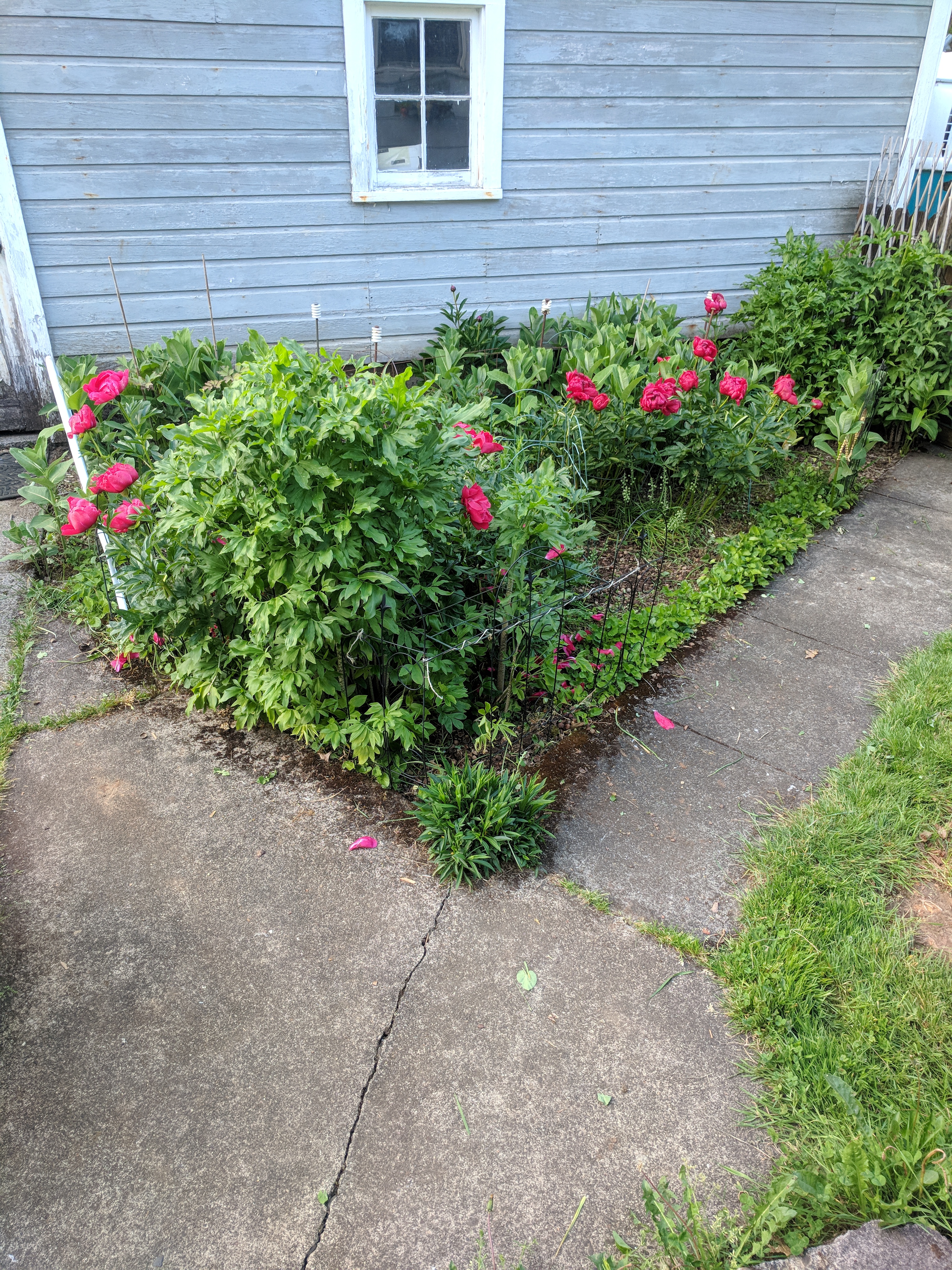
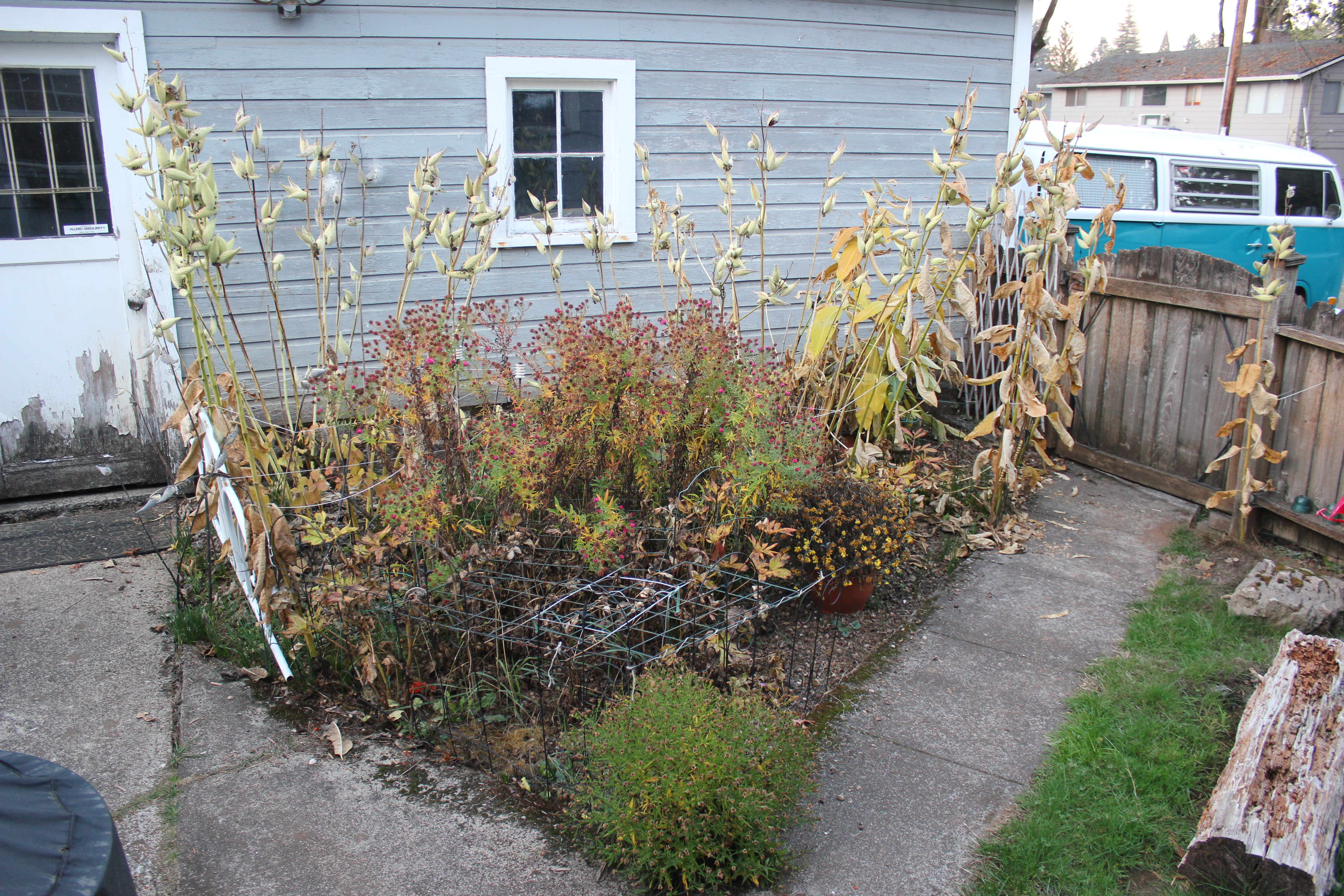
One of my favorite flower beds is right out the back door. It’s a little triangle that is always full of something growing from May through October. This year, I tried to snap a photo diary of the corner garden.

I missed April – when the grape hyacinth and the tiny wild violets are the only color in this little corner.

May

May is peony time.

IMG_20180529_182502_288

The Dragon Lily (dracunculus vulgaris) ends May and starts June with its stench – and striking beauty.

June

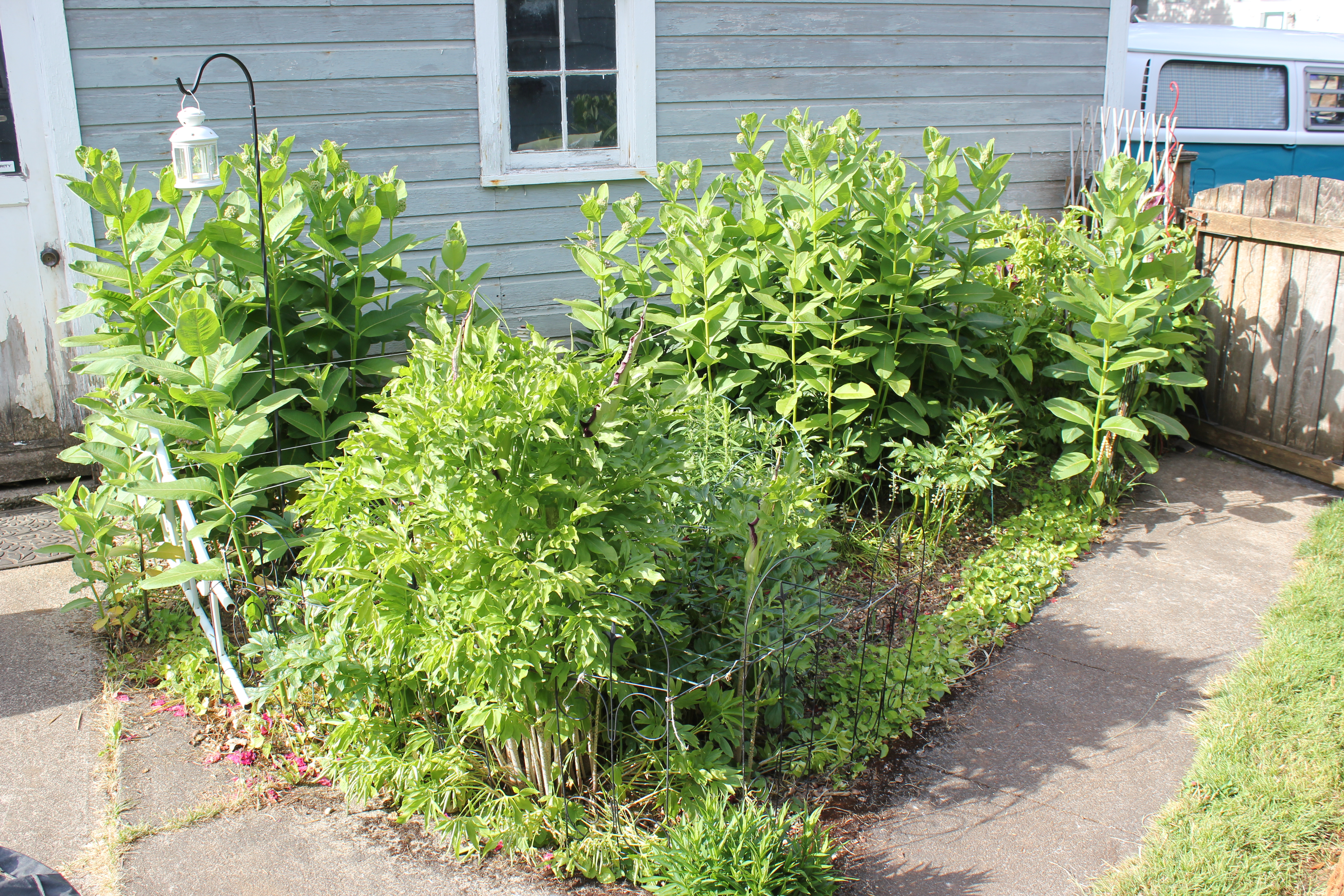
Even though the Dragon Lily is in full bloom, the corner seems a sea of green as the peonies fade, the milkweed and the asters push upward.

July

July. The peonies and dragon lilies fade as the milkweed blooms, fragrant and alluring. The corner goes from one aroma (dead meat) to another (sweet milkweed) in a matter of weeks.

August

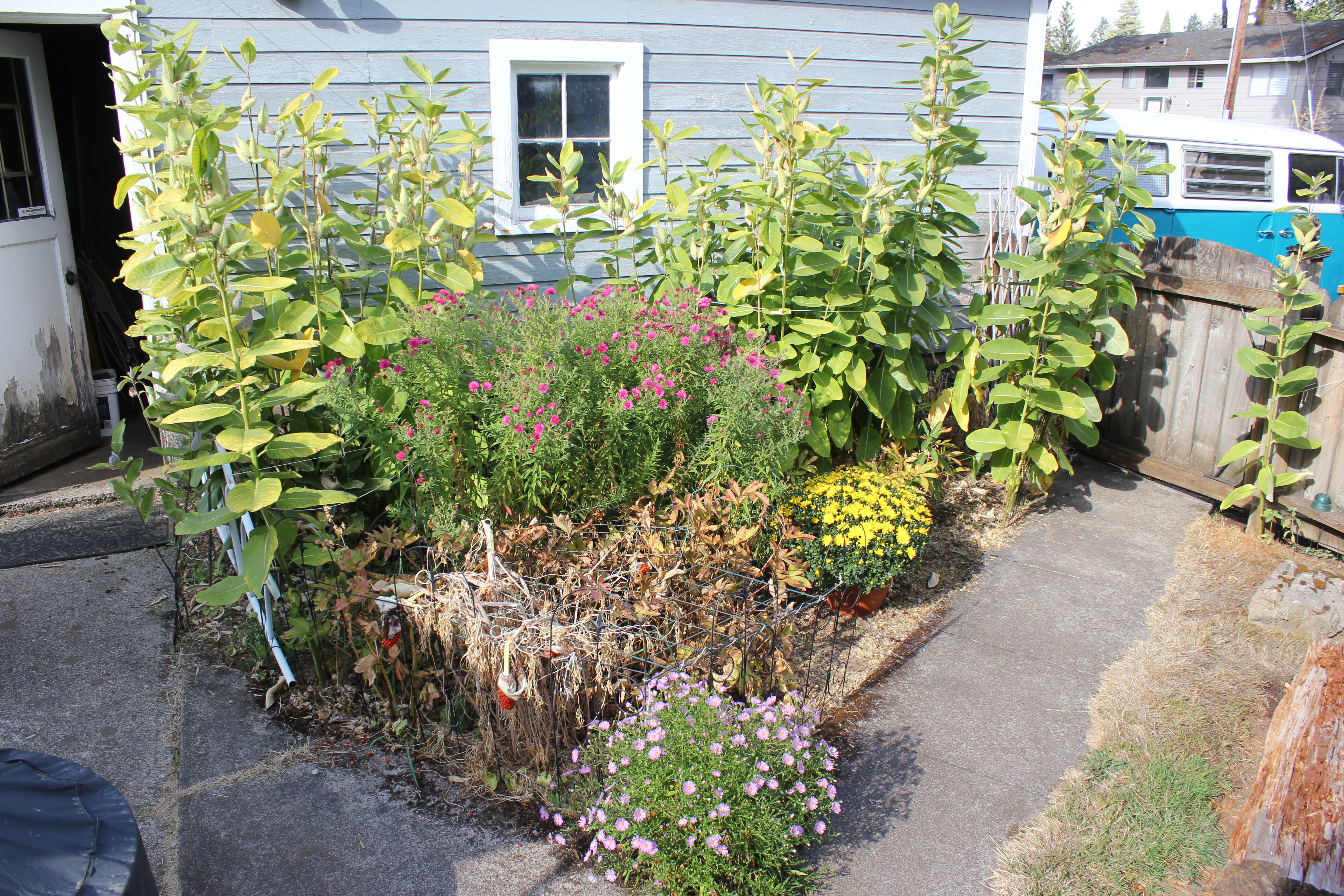
August. The asters bloom when the milkweed fades – red and tall in the back, purple and lodged in a crack in the sidewalk. (The yellow mum was a potted plant.) You can see the faded glory of the Dragon Lilies, seed heads brilliant red, and the peony leaves turning brown. Seed pods are forming on the milkweed plants now.

Sept

And just like that the sun is low in the sky and September is leaching the color from the milkweed plants.

Oct

It is late October now. The rains have held off. The leaves have fallen from most of the milkweed. The asters cling to a little bit of green, but their blooms are all but faded now.

Soon, it will be an empty space of grown, brown and sad, all the stalks cut back before the new growth begins again in April. The rains will come, the days grow dark and – for me – depressing. But the cycle will resume in four short months.

The grape hyacinth, the violets, and the peonies came with the house and this little corner. I pulled back a blanket of creeping myrtle (aka periwinkle or variegated vinca minor) to bare the ground. We planted the Dragon Lilies, babies from a single corm we stole from a rental many moons ago and have carried around with us for 30 years. (Want some? We’ll gladly ship – up to zone 8.) I planted the little purple aster from a plant a dear friend gave me some 25 years ago. It’s been divided and planted elsewhere, but this little bit insists on pushing up through a crack in the sidewalk right at the apex of the flower bed. The tall red aster surprised me that first autumn in the house – an added bonus of the many flowers already here and hidden by neglect.

The milkweed, now – that was a project. I tried two or three times over the years to grow it by seed. I gave up four or five years ago, but one fine day three years ago, a small plant survived long enough for me to identify that it was, indeed, showy milkweed. Last year, more came up and they flowered for the first time. This year, they tripled in number. They are truly one of my finer moments in gardening, even if they are now rather prolific.


Read Full Post »

I slipped up and did not post either Friday night or Saturday night. Friday, my office hosted a little meet-and-greet for past clients, and while I was not obligated to be there, I went for a couple of hours. I hate small talk, but sometime you have to do what you have to do, and I wanted to support my real estate agents. Small talk kills me, and I came home and dove into a movie instead of getting on the Web.

Saturday, I gave myself permission to take the day off from responsibilities, writing, and plugging away at my website goals over at Two Crow Feather Woman. I did some minor chores. but most of the day was just a long, lazy, happy day.

Today, I jumped back into responsibility. Groceries, laundry, feeding the birds. The sun came out, although a bit weak, what with high, thin, clouds. I dove into the garden. Who knows when next we’ll have a relatively decent and warm day to tackle the constants of a living garden? The rainy season is fast approaching and I admit that I am none too fond of working in the yard in the cold, finger-cramping, Autumn weather.

002

This doesn’t look like much. I’ll explain: you are looking at a slew of yellow evening primroses (Oenothera biennis). I have wonderful childhood memories of the fragrance of these wafting on a warm summer’s evening. Then I grew up and forgot about it until some bird dropped these seeds into my yard and I decided to see what grew from the clumps. They are every bit as fragrant as I recall, and they are insect-friendly, hosting bees, moths, and hummingbirds. Occasionally, we even get hummingbird moths (common name for a sphinx moth that resembles a hummingbird, but which flies at night. The evening primrose blooms in the evening and fades with dawn’s light.

This year, they spread over the top of my beleaguered mountain penstemon, and I had to decide: primroses or penstemon? Oh, why choose either/or? I chose to pull apart the broad leaves of the primroses to find the living branches of the particular penstemon I have: something we dug up in eastern Oregon or the high Cascades and replanted in the yard. This particular kind grows much like kinnickinnick (I love that word!): woody, close to the ground, and on slopes.

003

I planted it in three different areas of the yard, naturalizing it into the rocks.

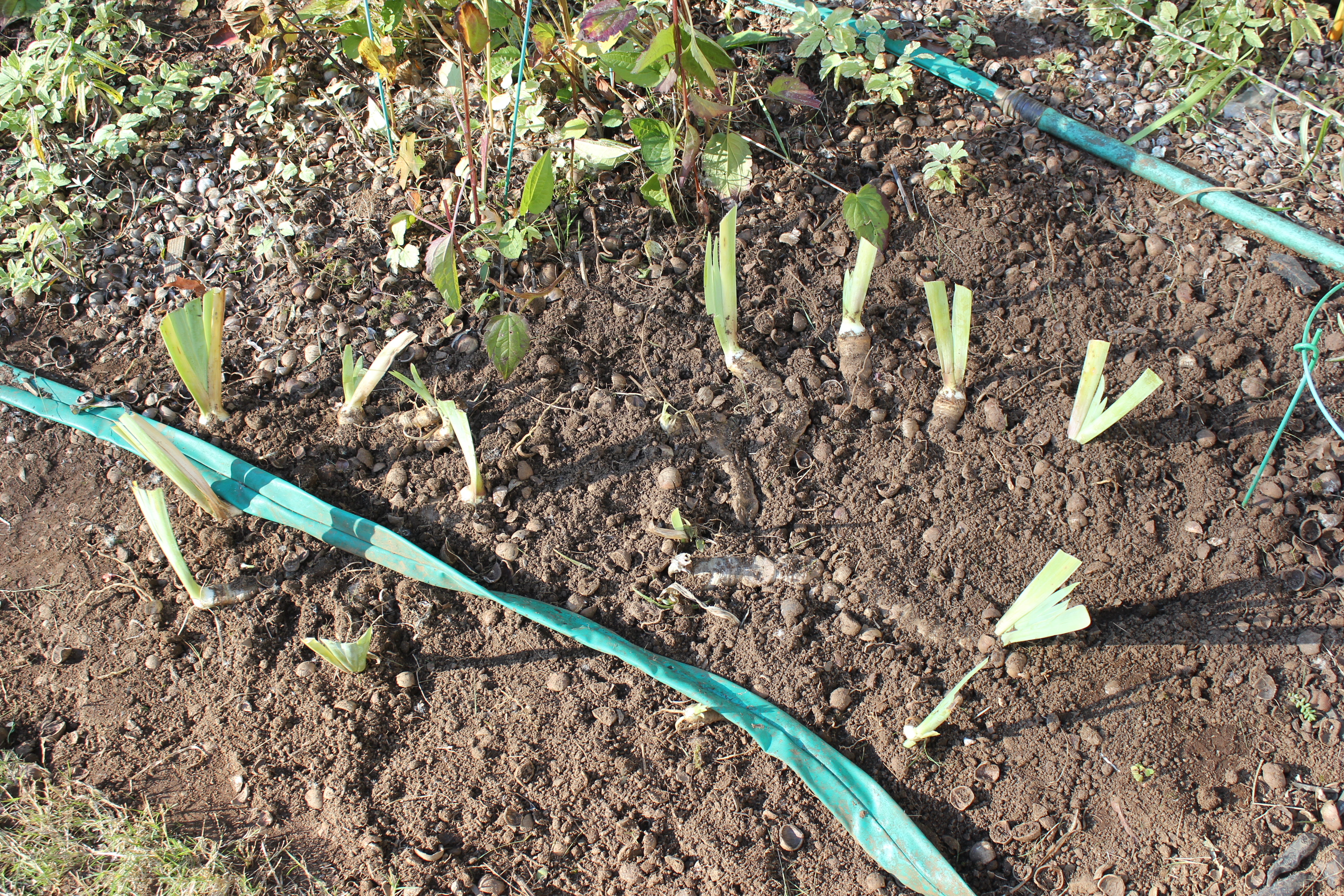
Well, that was easy, so why not tackle the irises? It is Autumn, and the best time to dig around irises. My irises survived the gravel drive of my folks’ house in Ely, Nevada, for decades. They were my mother’s, and a few years after she died, my father dug them up (he hated them) and boxed them, and shipped them to me.

They survived the wet climate here, but every few years I have to dig them completely out and pull the grass out from between them. The grass is insidious. It strangles my other plants, from peonies to irises to gladiolas to my lavenders and the Russian sage. Anyplace that was a neglected flower bed when we bought this house, the grass creeps in and takes my garden hostage.

I don’t have this problem in the beds I created since we moved in, only in the beds that were neglected by the previous owner.

Grass and red sorrel.

001

I have temporarily won: the irises have been replanted sans grass roots.

Finally, I mulched a zone 9 plant out in the front garden (I live in a 7/8 zone), and I pulled out half the Hallowe’en decorations. I’ll put up the lights next weekend.

Read Full Post »

A number of years ago, I bought this fun wrought iron plant stand at a yard sale. I was in love with it and intended to use it for a bird bath. The downside to the purchase was the ugly vintage pot that came with it (I couldn’t buy the plant stand without the pot). The upside was that I stopped at another yard sale where I purchased my little secretary desk, and the woman who helped me load the desk into the back of my car fell in love with the pot. I donated the pot to her for helping me load the desk, and we both gopt what we wanted.

Later, I purchased a deep bowl at a thrift store, and – ta da! – had a bird bath. A bird bath that attracted bees and wasps to their deaths. Ugh. I tried a wire across the bath (photo with the dragon fly), but the birds and the dogs managed to knock it off all the time, and I still ended up with drowned bees, flies, and wasps. Last year, I made a little safety raft out of matchsticks, in the hopes the insects would crawl up onto it and thus save themselves. . Insects don’t understand the concept, and I continued to have dead ones in the bowl.

The problem is the slick sides of the bowl. The porcelain that makes it so desirable for human use is deadly for insects.

003

I don’t have that problem in this birdbath, poured of rough concrete. If insects land in it, they can get back out of it because they can grip the concrete. (Don’t ask about the crows that dump questionable food items into it, in an effort to soften up the Kentucky Fried Chicken leg bones so they can eat the bone marrow. Or worse. Crows are like raccoons, with a desperate need to “wash” their food first, and to the detriment of any other bird needing a bath or drink).

I digress.

This year, I saw a very neat idea for creating a bee watering station, and it occurred to me that instead of a second bird bath, what I really needed was a bee watering station where the bees, wasps, and flies wouldn’t drown. Now, bees and wasps play a very important role in our eco-system, and most wasps are not akin to the common (and hot-headed) yellow jacket or bald-faced hornet. In fact, most hornets are calmer than most yellow-jackets, and only become agitated if they feel attacked (like when you step on their nest in the woods). I will go out of my way to deal with a yellow-jacket nest, but I tend to leave all other wasps, hornets, and bees alone.

We are in a bee crisis. Non-native honeybees are dying off, the native bees are threatened, and the rusty-patched bumblebee was just added to the Endangered Species Act. My yard is a veritable haven for native bees, from iridescent green sweat bees to tiny black bees to Mason bees to dozens of bumblebees, all the way to honeybees, mud-dauber wasps, and how-many-other wasps and bees I-don’t-know. Protecting them is as important to me as providing habitat for the birds that frequent our yard.

Have I ever mentioned how dead this yard was when we moved in here, the summer of 2002? Not an insect buzzed and not a bird flitted through. We began organic (for the most part) gardening, feeding the birds, and added my first birdbaths. Now, the yard is a haven for buzzing and singing.

The pictures on the Web that I found showed shallow bowls filled with clear marbles. I searched high and low at the thrift store until I found a shallow bowl that I liked (not plain white!). I already had a vase full of glass rounds and polished agates, so filling the bowl was a cinch. The frog was a bonus. When I switched out he deeper bowl, I found at least half a dozen drowned mason bees in it (already!!). My hope is to never find a drowned bee again. And I like the addition of color to my garden.

Speaking of which…

I found this funky bowl-thing-fountain at the thrift store. Somebody actually paid that $49.99 price for it. It’s freaking UGLY. I paid $6.99 to save it. I mean, a little acrylic paint, a sealer, and a couple of my assorted ceramic frogs…

And, yes, water. It’s not exactly utilitarian as a bird bath, but the bugs and birds can get a drink, and I get to enjoy the funkiness of it.

I included slugs in the title of this post, and I really intended to have more photos for that portion of the blog, but it didn’t happen. Here’s the deal: we have a slug problem. I live in the Pacific Northwest, in the rain-forest side of the state. When I was a girl, my family would come from Nevada to visit here, and my sister and I took perverse pleasure in pouring salt on slugs to watch them die. It’s awful, and really not humane. I’m older now, and I like to just cut to the chase.

I hate slugs. I loathe slugs. Non-native snails are right behind slugs on the loathe list, and neither one is loathed because of what it is, but because of the damage it does to my plants. Slugs are a special kind of pestilence in the garden, devouring irises almost as soon as they provide fresh greenery. I have tried everything. Beer in shallow dishes just provides you with a dish full of drowned slugs that you have to dispose of. Disgusting. And inefficient, because you have to 1) change the beer daily, 2) buy beer you won’t drink (which would be any IPA in my case), and 3) expensive because beer isn’t cheap.

I’ve carried a bucket of bleach water around with me and tossed slugs into that. It’s as disgusting as slugs drowned in beer. I have (and still do) practice slug tossing (ala the book “Slug Tossing” by Meg Descamp, which I read many years after I decided the only real solution to slugs is poison. But Meg is hysterical, and I love her book). But, yes, poison. Corey’s Slug and Snail Death.

You don’t want your pets or the birds to get into this stuff. So here is how I conquered that problem creatively. Use decorative ceramic planters.

018

See that pot underneath the frog fairy planter? There’s a supply of Corey’s under there with plenty of access for the pestilence to get to it. I set up these “feeding stations” around my garden, even where the dogs frequent, and always close to the plants the slugs like best. Dogs can’t smell it, birds can’t get to it, and slugs crawl in and die. They die, dehydrate, and compost and I never have to deal with their slimy carcasses, and nobody innocent gets poisoned. It’s one of the very few instances where I bow to the use of poisons. It’s not 100% effective (or, rather, slugs are more prolific than worms or bunnies, so it only catches the ones I want caught, and the rest go on procreating under the deck or whereever they hide in the daytime).

I wonder how I came to have so many ceramic frogs??

009

This is my dad. He promised me that he would come back as this ceramic frog. I brought him home and, suddenly, I had a plethora of little ceramic frogs to put in my garden. Coincidence? Maybe. But I wouldn’t put it past Dad.

Now – a total digression. I was going to take a photo of the chickadee watering station (aka ant moat) over the hummingbird feeder. EXCEPT that the female Anna’s was NOT moving out of the feeder. These are taken with the 50mm lens, from about four feet. Yes, she let me get that close.

That ant moat above the hummer feeder is where the chickadees, juncos, and Townsend’s warbler get water. They disdain the bigger birdbath for the ant moat.

(And, if you are wondering – yes, the ant moat works to keep ants out of the hummer feeder – so long as you keep the moat filled with water.)

I should write a book on gardening in the Pacific Northwest. Hmmmm.


Read Full Post »
This is what I woke up to this morning:

004

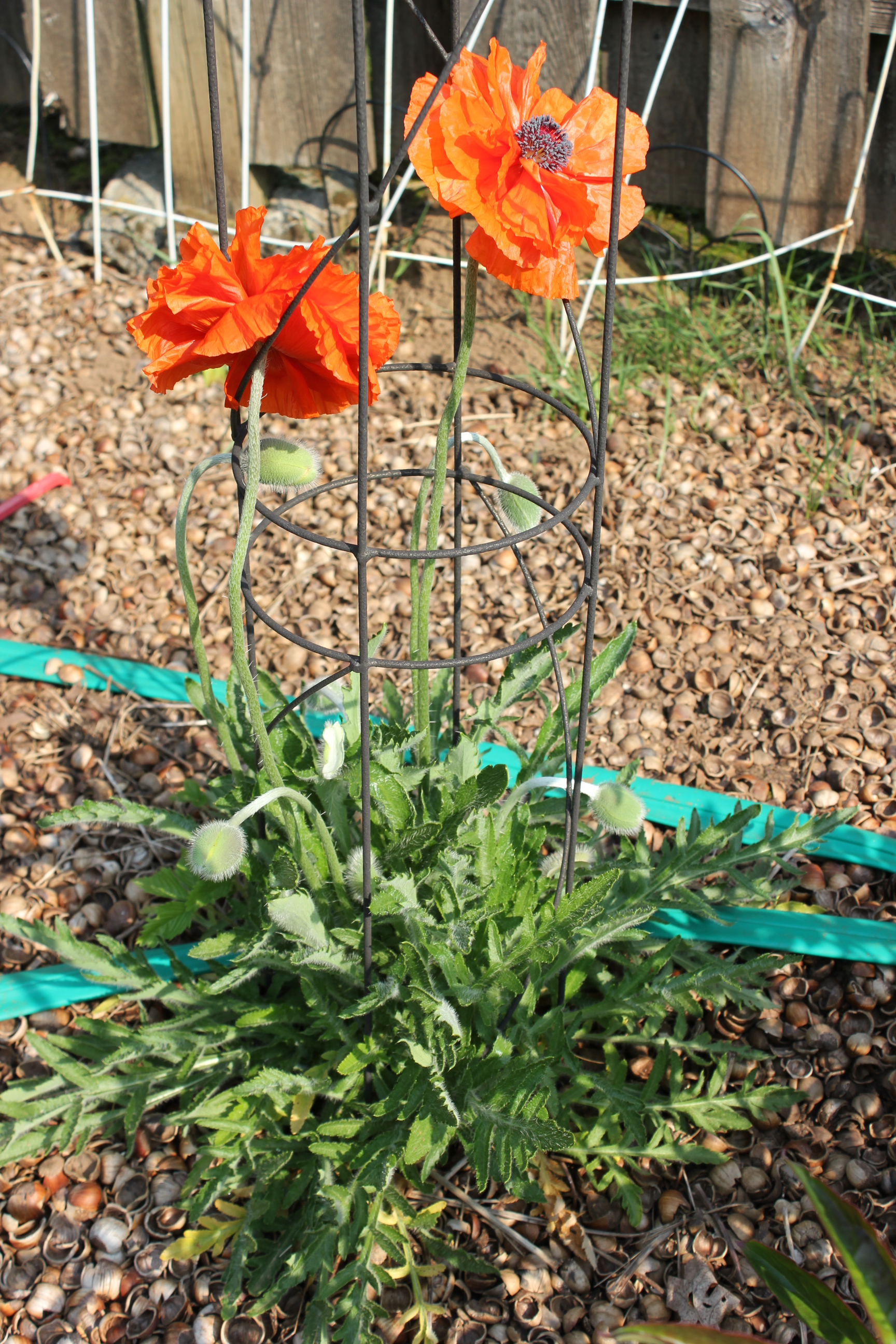
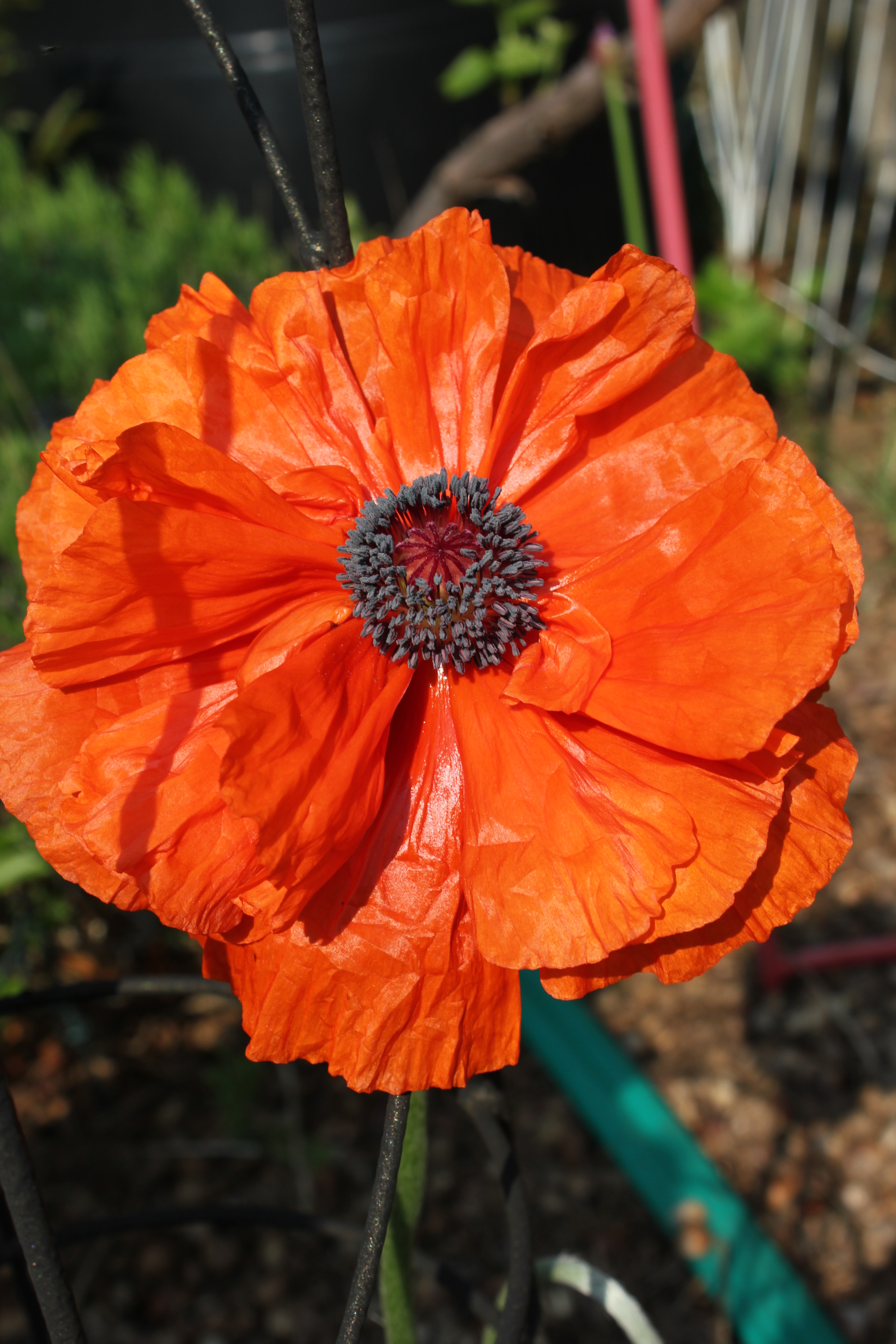
My Oriental Poppy bloomed overnight!

006

What beautiful, papery petals! I think my heart stuck in my throat when I beheld it. A perfect flower.

The weather was a perfect blend of sun and warm, and I had an entire weekend to play in the yard. What better way to start out a morning than to to find it graced by such beauty?

007

One blood-red peony opened up as well, the first of many peonies to grace the season.

008

Have I ever mentioned how much I love peonies? I didn’t think so. The fact that we bought this house because of the peonies in the yard and the claw-foot bathtub in the bathroom probably has never once been mentioned here.

009

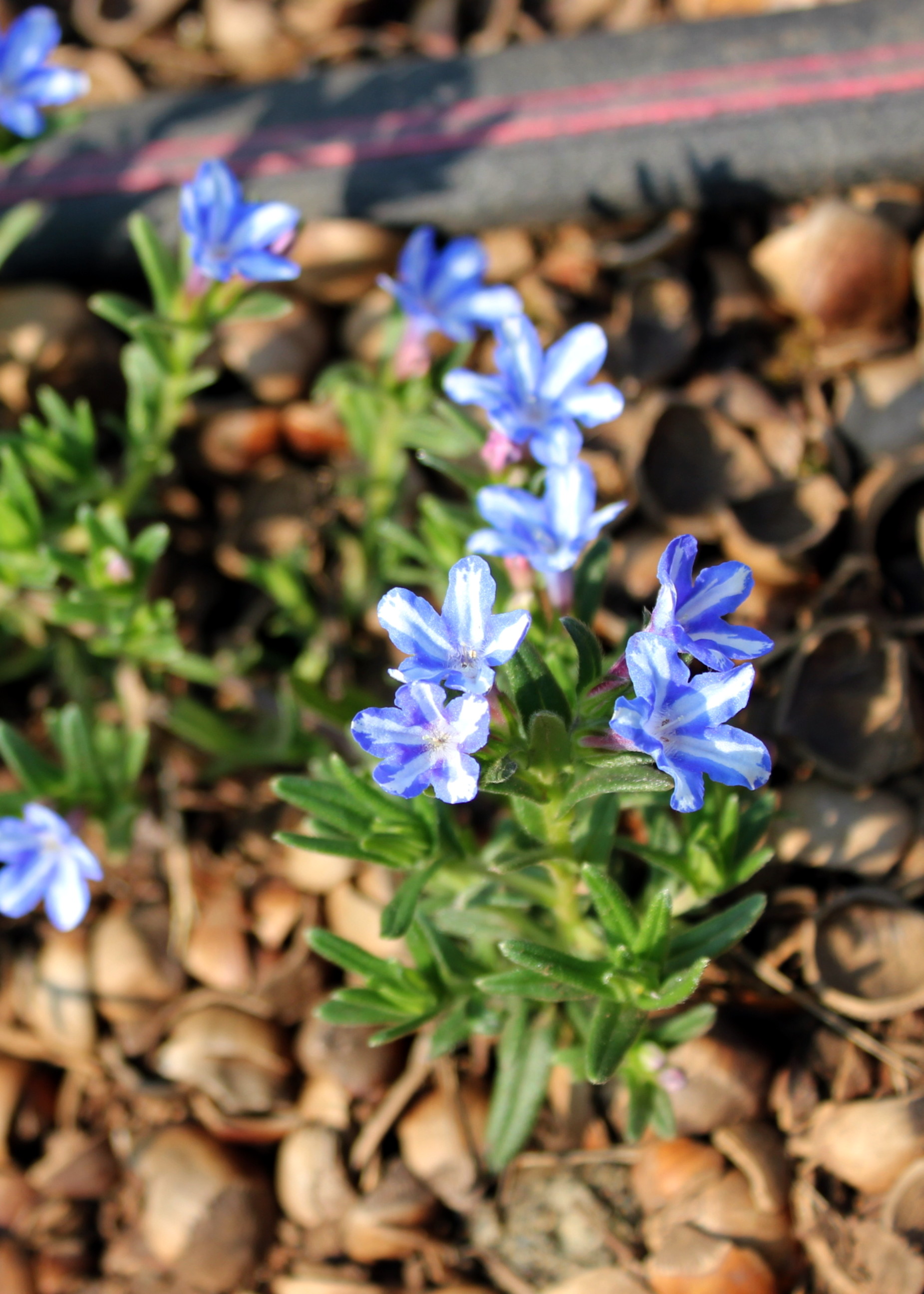
If only I could remember the name of this ground cover with the striking blue flowers. Don’t you hate that? You plant something with all the intention of remembering what it was that you planted, but the little plastic name tag that came with the plant got lost when the dog used the plant for a bed cushion and…

012

I could look it up. Lithodora, “Star”. There you go.

015

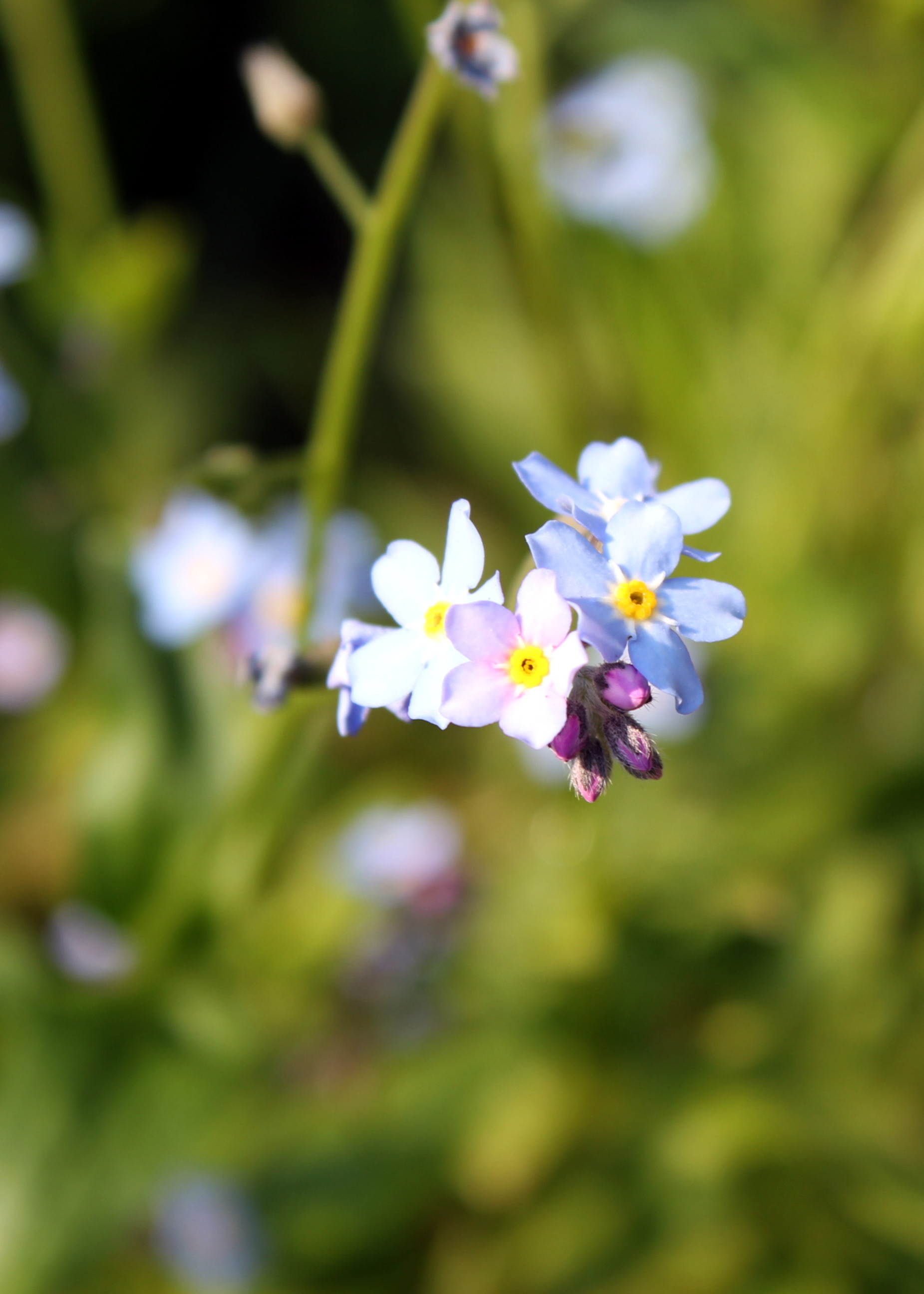
This little blue flower I know well: Forget-me-not. Lovely when in bloom and a pestilence in dog’s fur when the little hairy seeds form. I love forget-me-nots.

017

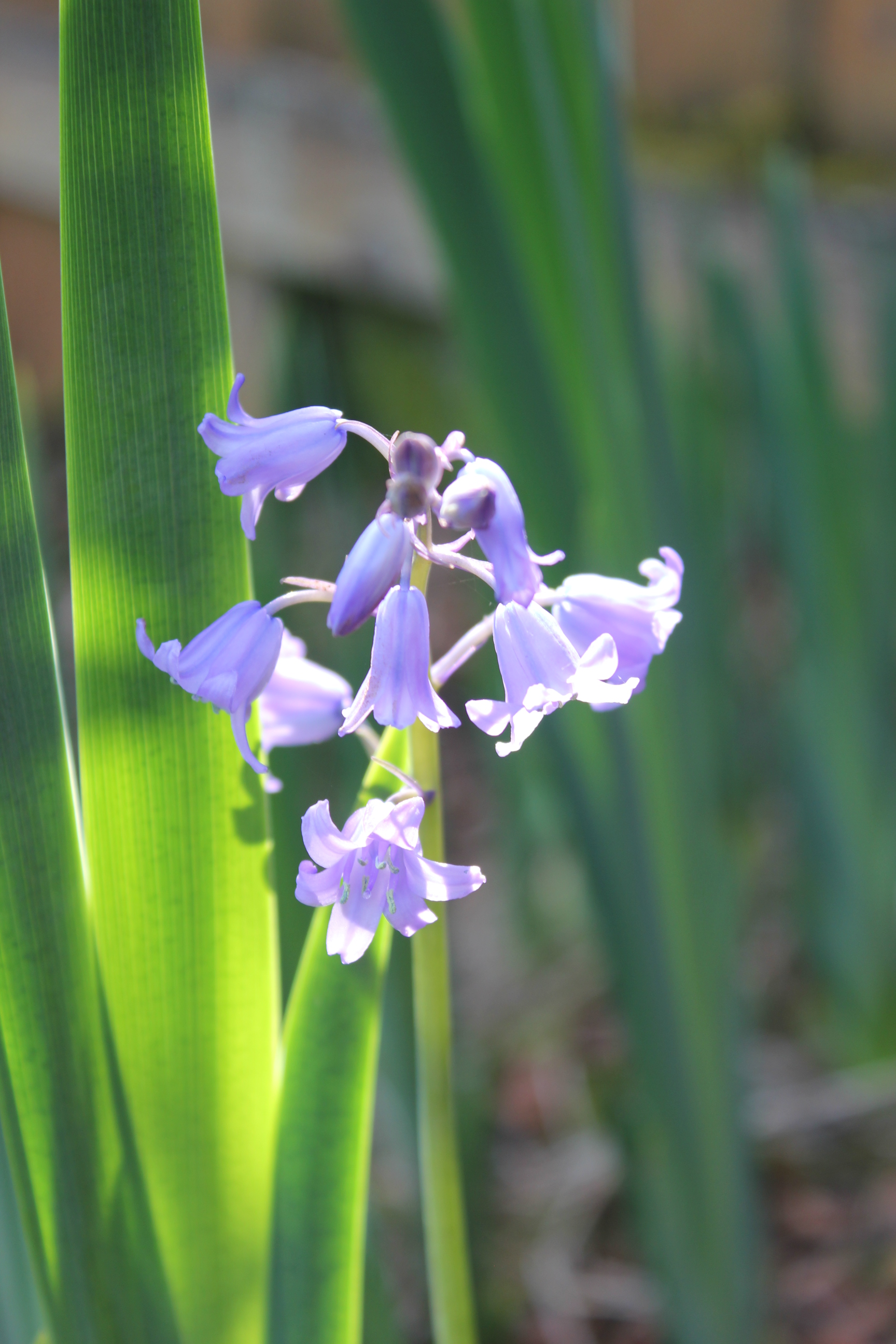
A random blue hyacinth. I’ve been finding these all over the yard, bird transplants from someone’s garden elsewhere in the neighborhood.

018

The first blue Columbine. This isn’t a wild Columbine, but is a cultivar, probably from a packet of seeds I once purchased somewhere. I have several colors, but this is the first to bloom.

020

Looking down on the world. Bees love this plant as do hummingbirds.

022

These Native bleeding hearts are uninvited guests to my yard. I noticed them only a few years ago, struggling against all odds under the handicap ramp in back. I left them alone and they have taken over the dark, dank area under the ramp. I take care not to plant them elsewhere because they spread… like wildflowers or weeds.

027It is time to cut back the old fronds from all the sword ferns. They look sad and pitiful now, but once the fiddleheads get growing… I’m trying to encourage the ferns to fill in some of the blank shady places in the yard, like this section of Harvey-proof fence.

028

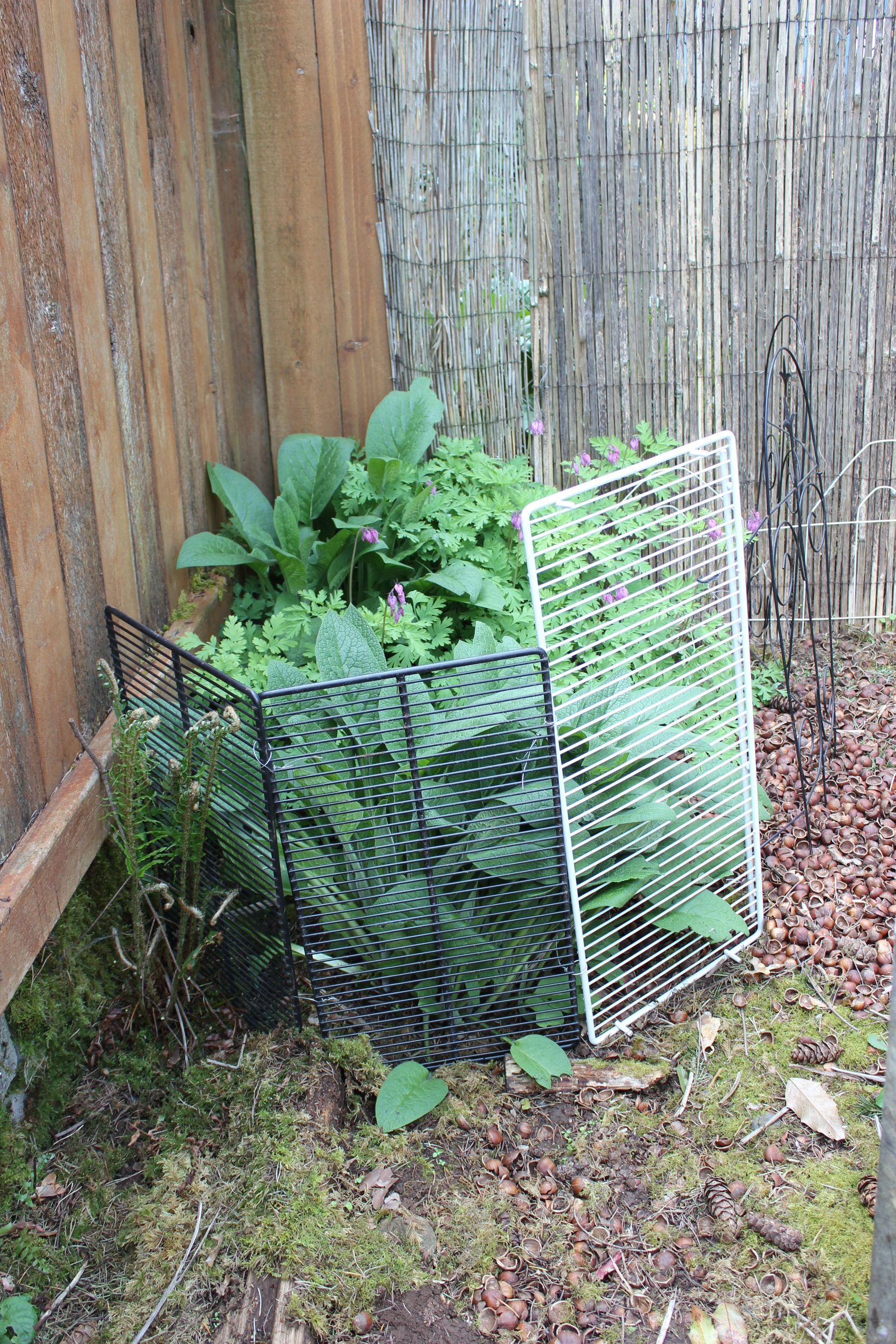
This looks funny now, but when the mertensia ciliata or mountain blue bells get to their full height of 3′ to 4′, I’ll be glad I did this to hold them up. This is a Native. I planted it and then discovered how invasive it is. I currently have it confined to two corners. It gets huge – not just in height, but in breadth. It’s in the borage family and the bees love it.

Yes, I used old shelving to hold it upright. Reuse, Reduce, Recycle.

029

I need to move this Lady Fern. It gets huge, but the fronds are so brittle that any traffic around them wreaks havoc on the beauty of this plant.

034

Last beauty of the day – the California Lilac, ceanothus L. This tiny, fragrant, buds are about to burst open all over my bush! I’ll have to open the bedroom window at night so I can breathe their scent in while I sleep.

I spent a lot of today on my knees, pulling up grass and half a dozen other weeds. This year hasn’t been as bad as some years – either I’m winning the battle or the lack of snow and cold has given me a head start on the battle. I’ll take the win. It leaves me more time to enjoy the birds singing.

030Which is precisely what this guy was doing, just three feet from my head. Sorry that he’s back-lit so you can’t make him out, but I can tell you what he is – and share a Youtube video of the song he was singing.

Enjoy!

Read Full Post »
Specifically, Spring in my back yard.

001Some Thing has been nibbling at my peonies.

002

It has left perfect little round ruins of a few buds.

003

No, it is not the ants. Ants and peonies go together.

006

The peonies secret a sweet nectar that attracts the ants.

I confess that I am somewhat confounded by the exact ant/peony relationship, but I accept that they seem to need each other. Now, if it were true that the ants keep other pests off of the buds, then I wouldn’t have peony pests eating away at the buds. I figure that the peony nectar does me a favor by keeping the ants outside of my house. And that works for me.

I have learned to pick my peonies and leave them outside overnight for the ants to abandon the flowers. The next morning, I can bring the flowers inside and there are no remaining ants to worry about.

There might be a spider, but I gently nudge them off onto another peony bud so they can continue to feast on ants.

007

This is a bigger problem with my peonies. There’s some sort of fungus in the ground that attacks my peonies, somewhat at random. I need to do more research on a natural remedy. I am not going to dig out all of my peonies!

008

The constant rain and changing temperatures has cause rust to develop on some plants (the hollyhock is shown here). It’s not too serious and hollyhocks thrive despite it. My dad thought hollyhocks were weeds, but I don’t find that is true. I think he just didn’t like the earwigs that hollyhocks attract. I don’t either, but as long as earwigs stay outside, they don’t really bother me much.

I like most insects in their natural environment.

009

Ah! Hidden in the folds of this peony is the enemy of aphids everywhere.

010

And scrolling slime on the leaf of the Honesty Plant (Money Plant or Silver Dollar plant) is one of the banes of my gardening experience: a snail. It’s a wee one and – hopefully – an Oregon Native. Native or not, the snail and it’s gastropod friend, the Pacific Northwest Slug (and there are a lot of different slugs!) is a plant-devouring pestilence.

They also drown in Harvey’s water dish.

011

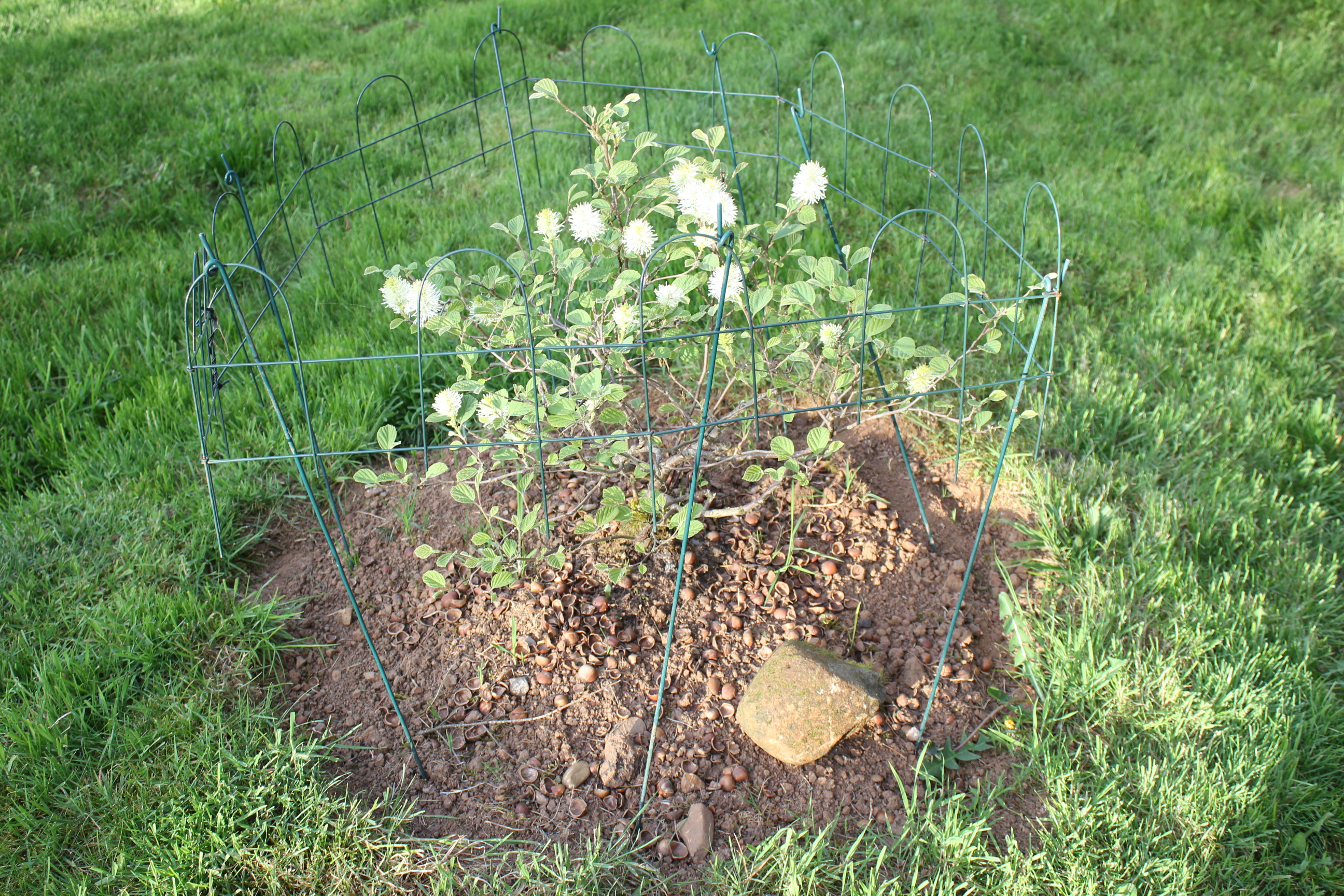
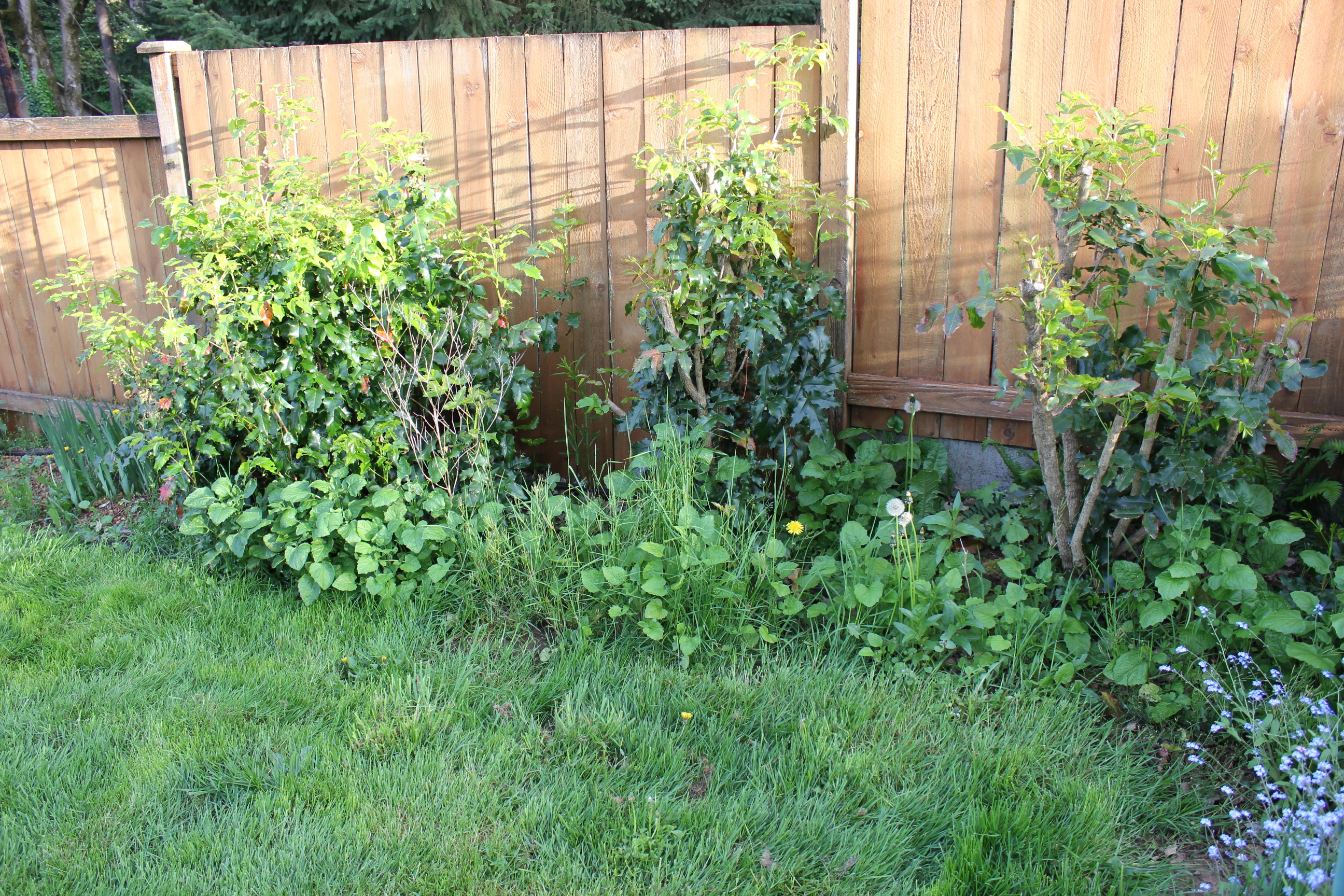
Color!012That one butterfly always hangs upside-down. I have turned it around time and again, but next time I look, it’s upside-down again. My honeysuckle (purchased last year) is growing tall. Sure wish that was my dogwood in the background. Sadly, it is on the other side of the fence.013Hmph! Last year, this spot was covered in beautiful Douglas’ Meadowfoam. This year, all I have are mystery plants and some weeds.014Some people consider these weeds, like my husband. Forget-me-nots. But before you plant that seed packet of Forget-me-nots that some realtor put on your doorknob with a flyer advertising his or her services, know this: when Forget-me-nots turn to seed, they become tiny burs that catch your jeans, knot your dog/cat’s fur, and thereby travel to the rest of the yard. Harvey and Forget-me-nots = one grooming nightmare.But I love them.015My sole surviving Lenten Rose went nuts this year with blooms.017A year ago, I purchased my fothergilla from the Clackamas County Historical Society Annual Plant Sale. I missed the sale this year, but I am proud to announce my fothergilla is doing wonderfully a year later.016Sadly, so are the weeds. The greenery around the base of the Oregon Grape is all weeds. And tyhat is just one tiny corner of my yard.But the season is just starting…

Read Full Post »
« Newer Posts - Older Posts »