I am transcribing this from a 40-page typewritten photocopied document that was among my father’s research. I do not know the veracity of it all nor do I know how many posts the series will take up. What is in italics is what I transcribed. My notes are not in italics.
In 1861 the war began. Four of her (Sarah Lord Wilox’s) sons enlisted; only two came back, one of the two shattered in health from a long imprisonment.
Sarah Wilcox died October 2nd, 1883.
Immediately after the firing on Ft. Sumpter (sic), came President Lincoln’s first call for troops. Wilbur I. Wilcox was at this time teaching. Willard J. Wilcox was engaged in making brooms. They immediately dropped their employment, and enlisted in the first company and first regiment that left Illinois for three months’ service – Co. A, 1st Regiment, Chicago Light Artillery. Willard was then 26, Wilber, 24 years of age. Saturday they went to Chicago and enlisted; Sunday they were journeying toward Cairo. They returned home on a furlough at the expiration of their enlistment, but re-enlisted for three years, or during the war, before returning home. After a few days at home they started again for Cairo and rejoined their battery.
Cairo (Kay-ro), Illinois, was where U.S. Grant based his operations out of.
Willard fell from a caisson in Dec. 1861. As soon as (he) was able to travel after this injury, he visited his mother, remaining with her until after the marriage of his sister Mary on Jan. 1, 1862.
Before his furlough had expired he was recalled to his company. He was with the company which moved from Cairo, Jan. 10, 1862, on a reconnoisance (sic) into Kentucky, returning Jan 22nd. At the battle of Shiloh, Willard and Wilber were both wounded. Willard carried a minie ball* in his head the remained of his life in consequence of this injury.
During the advance on Corinth, Willard and others were sent out after horses, at which time Willard was again wounded, receiving six buckshot wounds in the shoulder, and back of the head.
The Battle of Shiloh was a Union victory at heavy cost. It was one of the bloodiest battles in the war with nearly 24,000 casualties. My brain can’t fathom that number! Corinth is a short distance from Shiloh, across the border in Mississippi, and was a Confederate stronghold.
Wilber was Sergeant when killed July 22, 1863. (Vicksburg?)
Willard re-enlisted in the veteran corps after three years’ service. He received four hundred dollars and a 30-days’ furlough. He was sergeant when mustered out in July, 1865.
Thomas Wilcox enlisted Aug. 11, 1862. He joined Co. A Chicago Light Artillery at Memphis. He was taken prisoner at the battle of Atlanta, July 22, 1864. He was released at the close of the war.
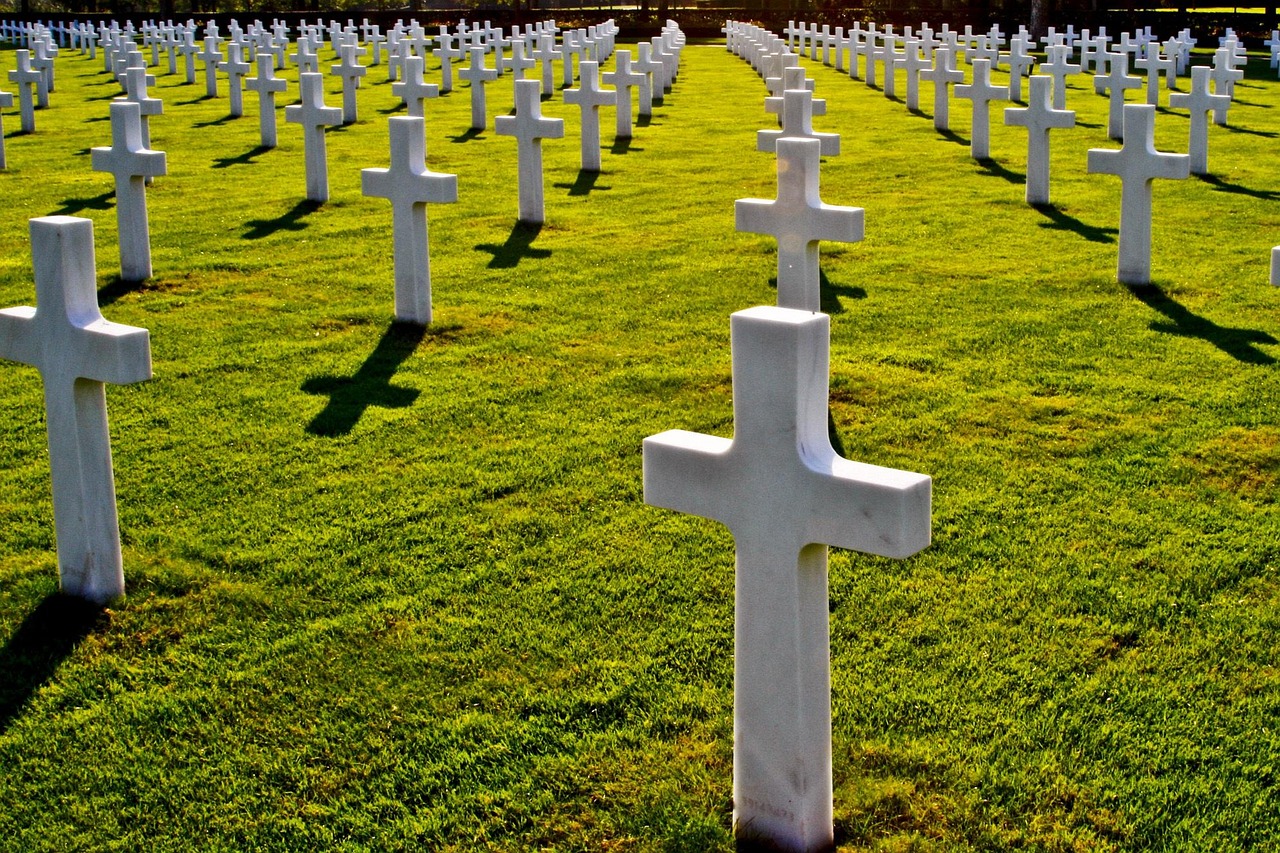
John Wilcox enlisted Sept. 4, 1862, 1st Sergeant Co. K, 88th Ill. Infantry/ He was killed at the battle of Chickamauga, Sept 20, 1863. He is buried with the unknown dead at Chattanooga.
Daniel E. Barnard enlisted Sept. 4, 1862, Capatin Co. K, 88th Ill, Infantry; mustered out at the close of the war.
Erastus A. Barnard was drafted Sept 27, 1864; assigned to Co. H, 30th Infantry; mustered out June 4, 1865. He marched with Sherman’s army to the sea.
E.A. Barnard was taken ill during the march to Savannah. He remained with the army until Savannah was entered. He was in the hospital there from Dec. 24, 1864 to April 1, 1865. Thence he went to Pocotaligo; from there by boat to Wilmington; then marched to Raleigh and joined his regiment the day before Johnston surrendered.
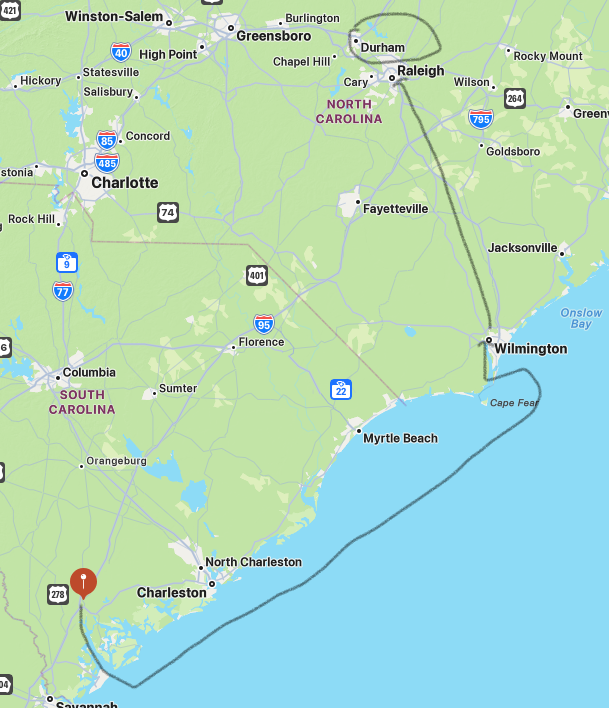
General Joseph E. Johnston surrendered to General Sherman at Bennett’s Place, Durham’s Station, N.C., in April of 1865.
Erastus A. Barnard married Mary L. Wilcox. Daniel E. Barnard was his brother.
William Orson Wilcox (my ancestor) did not serve. I do not know why except, perhaps, he was left in charge of Sarah and his brother’s respective families.
*The Minié ball, or Minie ball, is a type of hollow-based. Invented in 1849 shortly followed by the Minié rifle, the Minié ball was used in the American Civil War where it was found to inflict significantly more serious wounds than earlier round musket balls. (Source: Wikipedia)


Hi Jaci,
I am doing a bit of research on one of your relatives, Wilber, and I found your blog a few weeks ago. It has been great to read over the letters the brothers sent home! I really appreciate you transcribing this information!
While doing some research I read History of Battery “A” First Illinois Light Artillery Volunteers by Charles Kimbell, a member of the Battery. In here I was able to find that your relative Wilber was in fact not killed at Vicksburg but near Jackson, Mississippi. Kimbell writes that Wilcox and a party of 39 other men went out to forage for food for their horses. He then writes of an ambush and the capture of eight of the other men in the detachment. Those men would eventually wind up spending some time in Andersonville Prison. I thought you might appreciate this information!
I would love to discuss any info you have on Wilber, as I am looking into him because he was the first teacher of the local school district in which I live, and I am a teacher myself. I can be reached at nlamantia2180@gmail.com!
Thank you and all the best,
Nathan La Mantia
Nathan,
How wonderful to meet you. I do not have much on Wilber, but what I do have, I would love to share with you. I am tied up for a few days but I will email you privately with a.pdf od what I have and perhaps share some photos of the family (I am not certain, but I may have a photo of Wilber and of the family home. I will also look up that History. The email may come from presleymom@msn.com as I switch back and forth between email addresses, but I will put Wilber Wilcox in the subject line so you will know it is from me.
I’d love to hear what you have discovered about Wilber in the future.
Jaci
Hi again Jaci,
I appreciate your response very much! It is great to meet you as well! I will be extremely grateful to read over the new information and I will be glad to share what I find!
Also, there is absolutely no need to rush!
Thank you and all the best,
Nathan